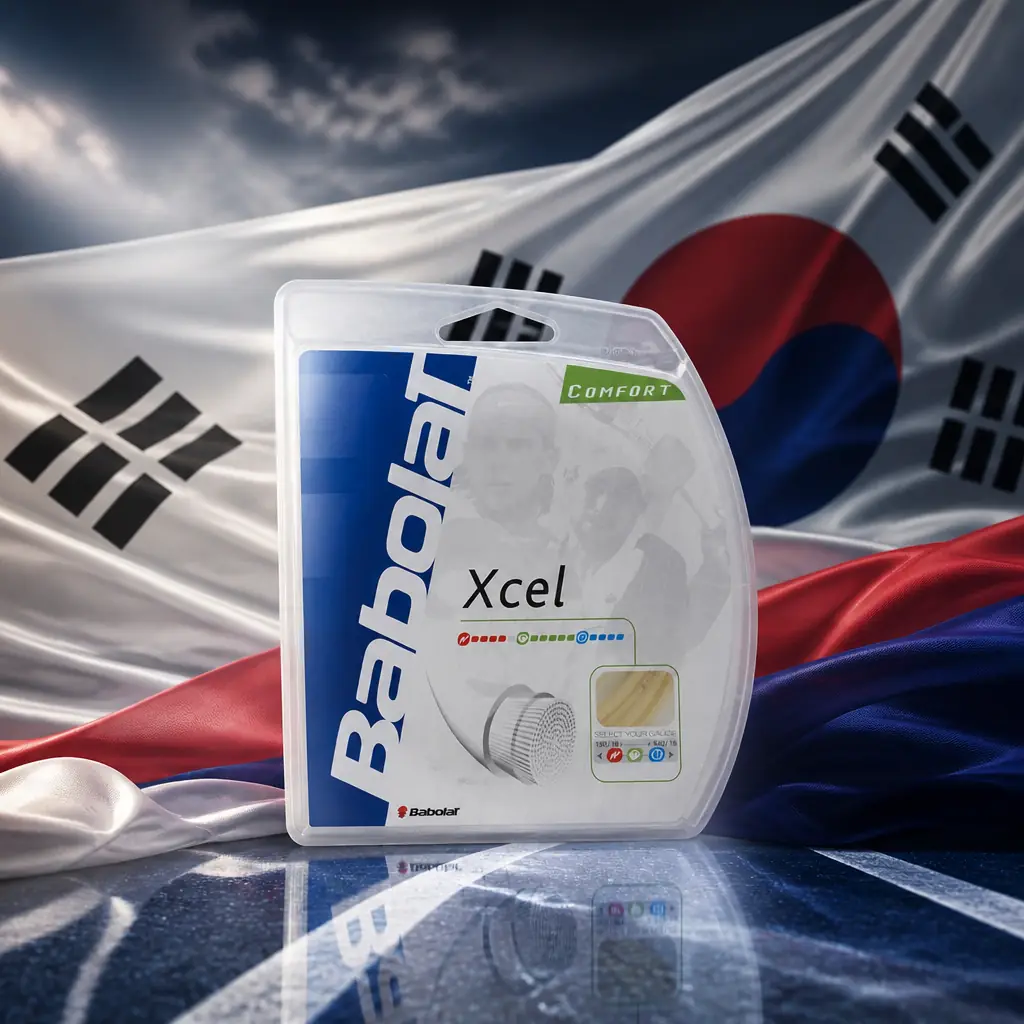
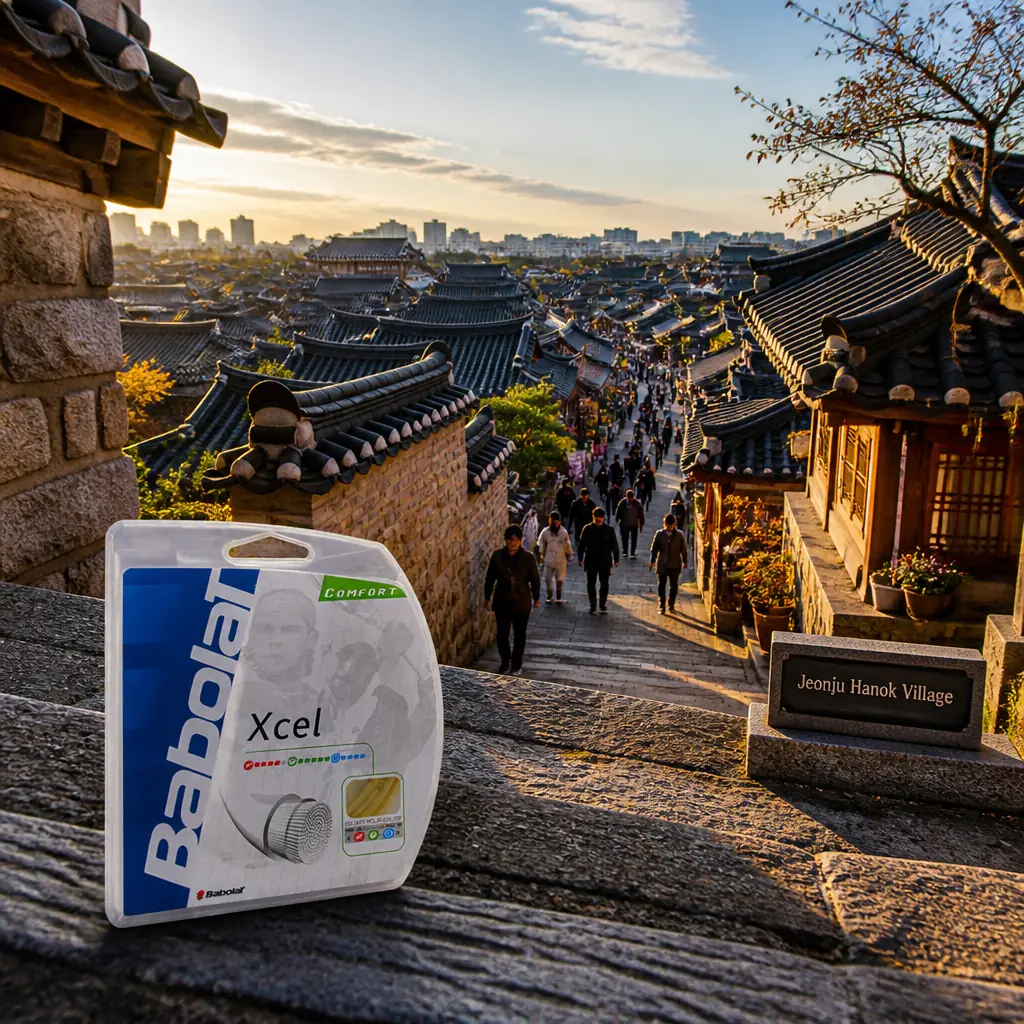
The file says Babolat Xcel 17g Tennis String Set. Forty feet of string. 12.2 metres. One racquet's worth. I've seen shorter alibis.
Construction: a bundle of shock-absorbing filaments saturated in polyurethane — the stretchy kind — sealed under a dual coat of polyurethane and polyamide. That coat's a friction barrier. Keeps the burn off the crosses, keeps the notching down. Somebody thought this through. Comfort rated 86 out of 100 by the playtest panel. Power, 82. Numbers don't lie. People lie. Numbers hold up in court.
The 17 gauge runs 1.25 millimetres. Thin. Thin means feel — touch on the drop shot, plush on the arm, easy on an elbow that's seen too much. Tennis elbow is a repeat offender. This string is the protection detail.
The assignment took me to Jeonju. Paper town. Food town. A city that kept things other cities lost, and I wanted to know how.
Start with the Hanok Village: around seven hundred traditional tile-roofed houses packed along narrow lanes in the middle of a modern city, black eaves overlapping like a stack of case files. Most went up in the 1930s — Korean residents building hanok in this quarter deliberately, as a statement, while Japanese-style buildings rose everywhere else in the colonial city.
Ondol underfloor heating, timber frames, courtyards. That isn't preservation. That's a message, left in plain sight, for anybody who bothered to read it.
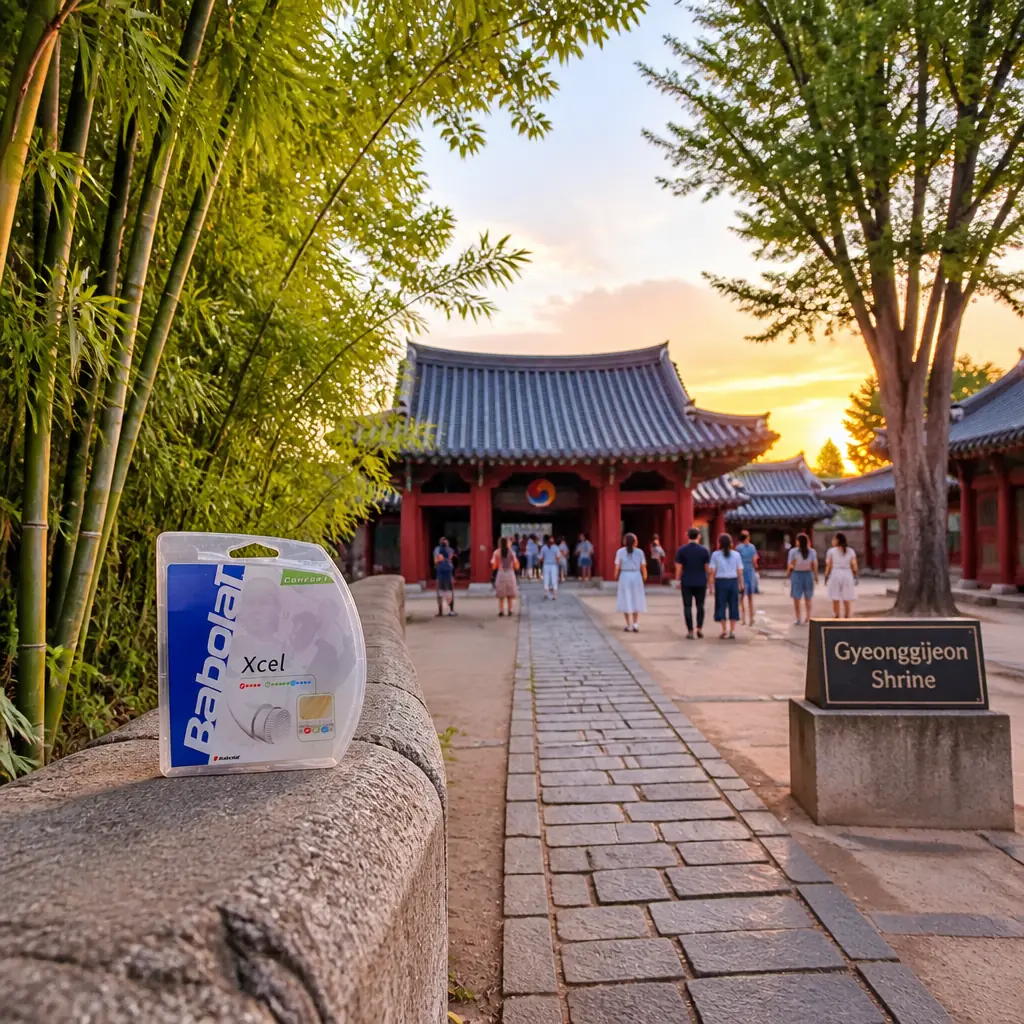
Gyeonggijeon Shrine next, built in 1410 to hold the portrait of Yi Seong-gye, King Taejo, founder of the Joseon dynasty, whose ancestral clan seat was this city. Copies went to several regional shrines. Every other copy is gone. This one, repainted in 1872 from the original, survived, and it's a national treasure.
The compound burned in the Japanese invasions and was rebuilt in 1614. The same grounds hold the Jeonju Sago, a repository for a copy of the Annals of the Joseon Dynasty, four centuries of continuous record. The Jeonju set is the only one that made it, because local scholars carried it into the mountains. Somebody moved the evidence before the fire reached it. Professional work.
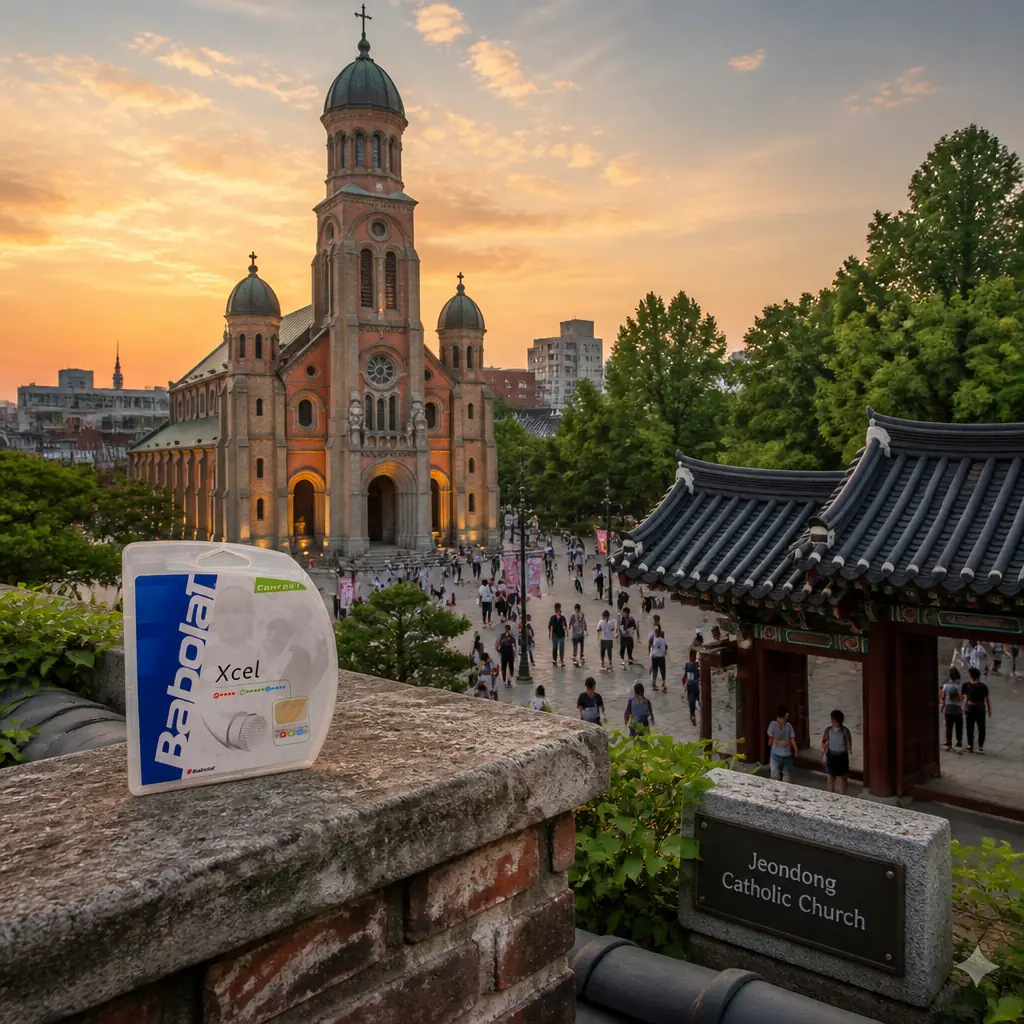
Across the street: Jeondong Catholic Church, red brick, Romanesque, a big central dome and twin towers, built between 1908 and 1914 by the French priest Xavier Baudounet on the ground where the first Korean Catholic martyrs were executed in 1791 — Yun Ji-chung and Kwon Sang-yeon, beheaded for refusing ancestral rites, with further executions in 1801.
Some of its bricks came from the stones of the demolished Pungnammun wall. A French-designed church staring straight across at the shrine of the Joseon founder. Nobody planned that. Everybody notices it.
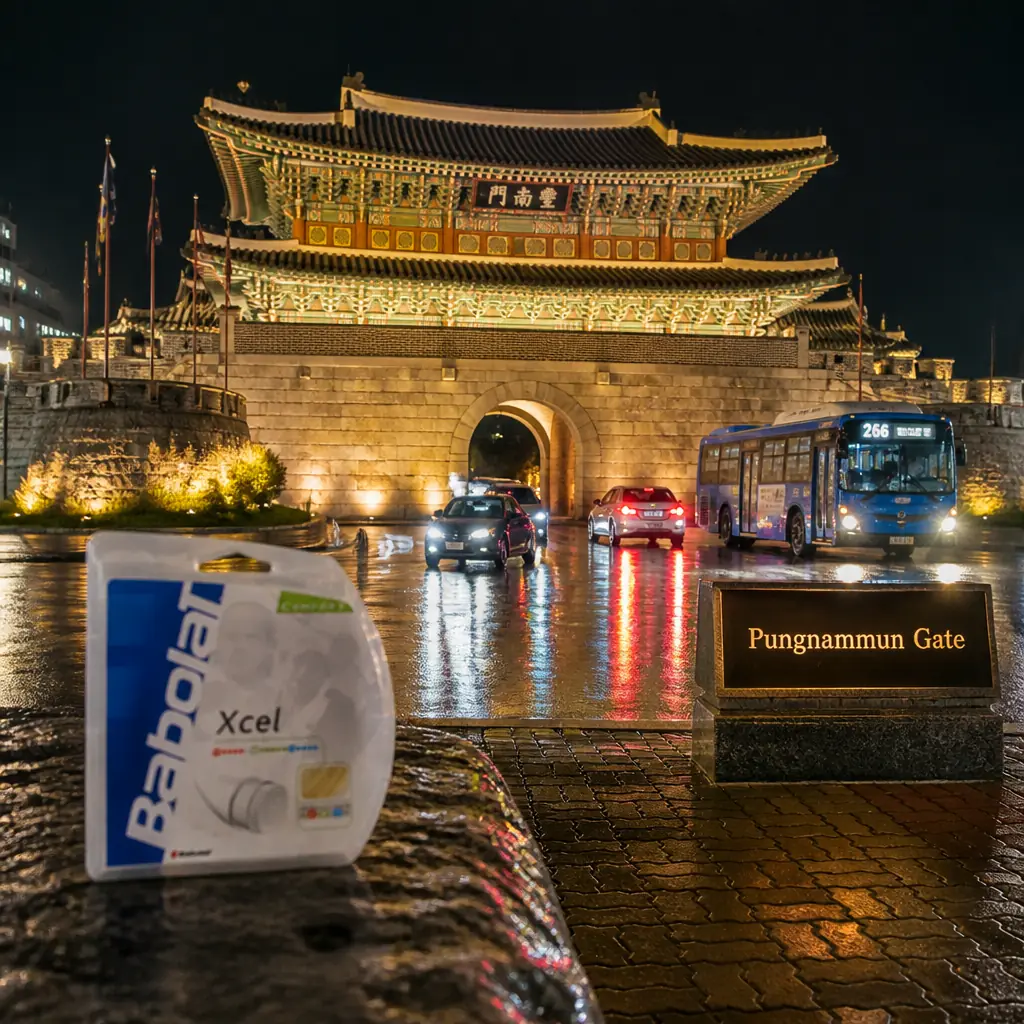
And Pungnammun Gate itself, last of four, a stone arch under a two-storey wooden pavilion, late fourteenth century and reconstructed in 1768 after fire, now standing alone on a rotary in modern traffic. The walls and the other three gates came down in the early twentieth century under Japanese administration. One witness left.
Jeonju was the Jeolla provincial capital, the Donghak peasant forces took it in 1894, and that gate is in every account of the campaign.
You'll string this everywhere from an indoor hall in Jeonju to a hard court up in Seoul two hours along the line, and by the way, it's also perfect for a bowl of bibimbap in a UNESCO City of Gastronomy that has known exactly what it had since 2012.
Buy on Amazon