01
Stop one
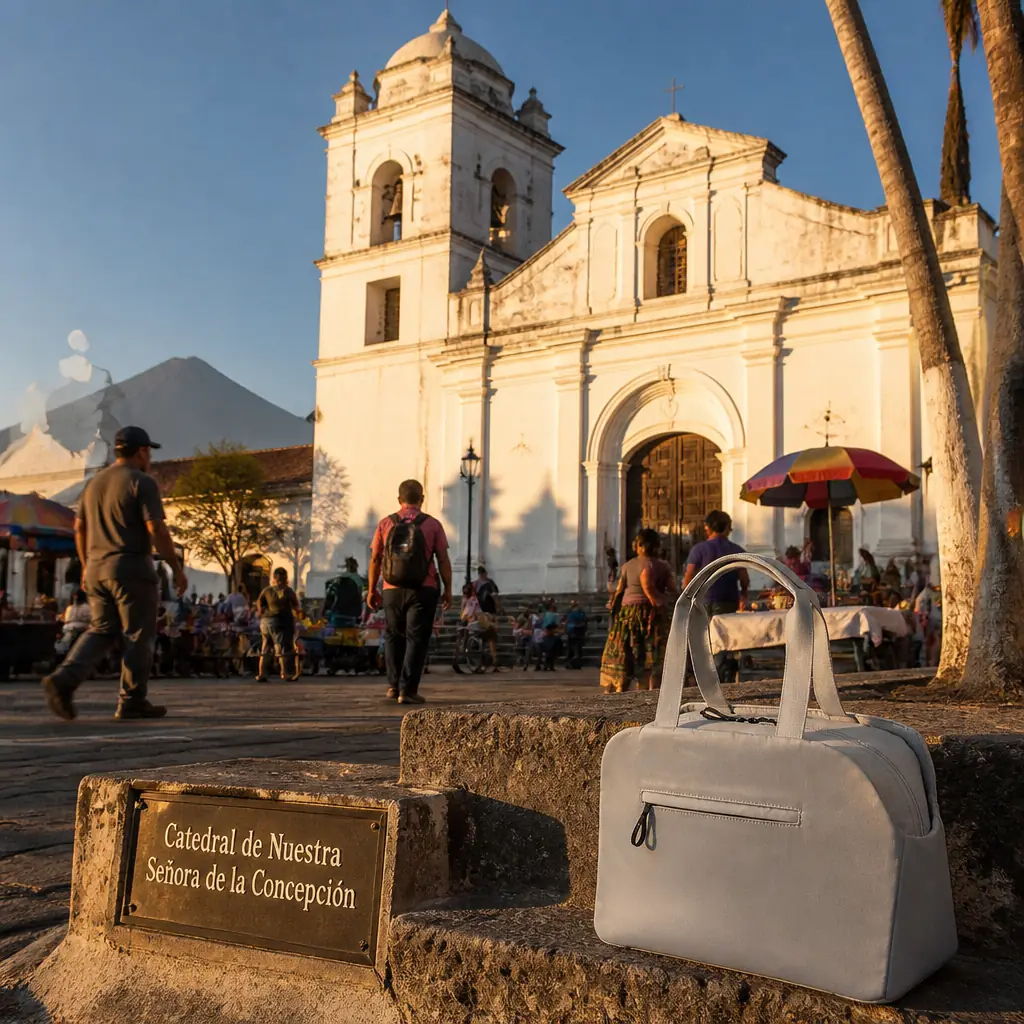
Catedral de Nuestra Señora de la Concepción
Head Pro X Tote Bag: A hermitage is a small promise, and this one was kept. Building on the site began around 1545, when it was raised as a hermitage serving the local community: four walls and an intention. In 1649 it was rebuilt as a formal vaulted church, the roof learning to arch like a held breath, and by 1737 the bell tower, convent and sacristy had been completed. It is now the seat of the Diocese of Escuintla and the focus of the town's long-standing devotion to the Immaculate Conception. Nearly two centuries to become itself, which is a great deal more time than most of us are given and, I suspect, roughly the correct amount — sorry, that got away from me. 1545, 1649, 1737. Three dates. One long patience.
02
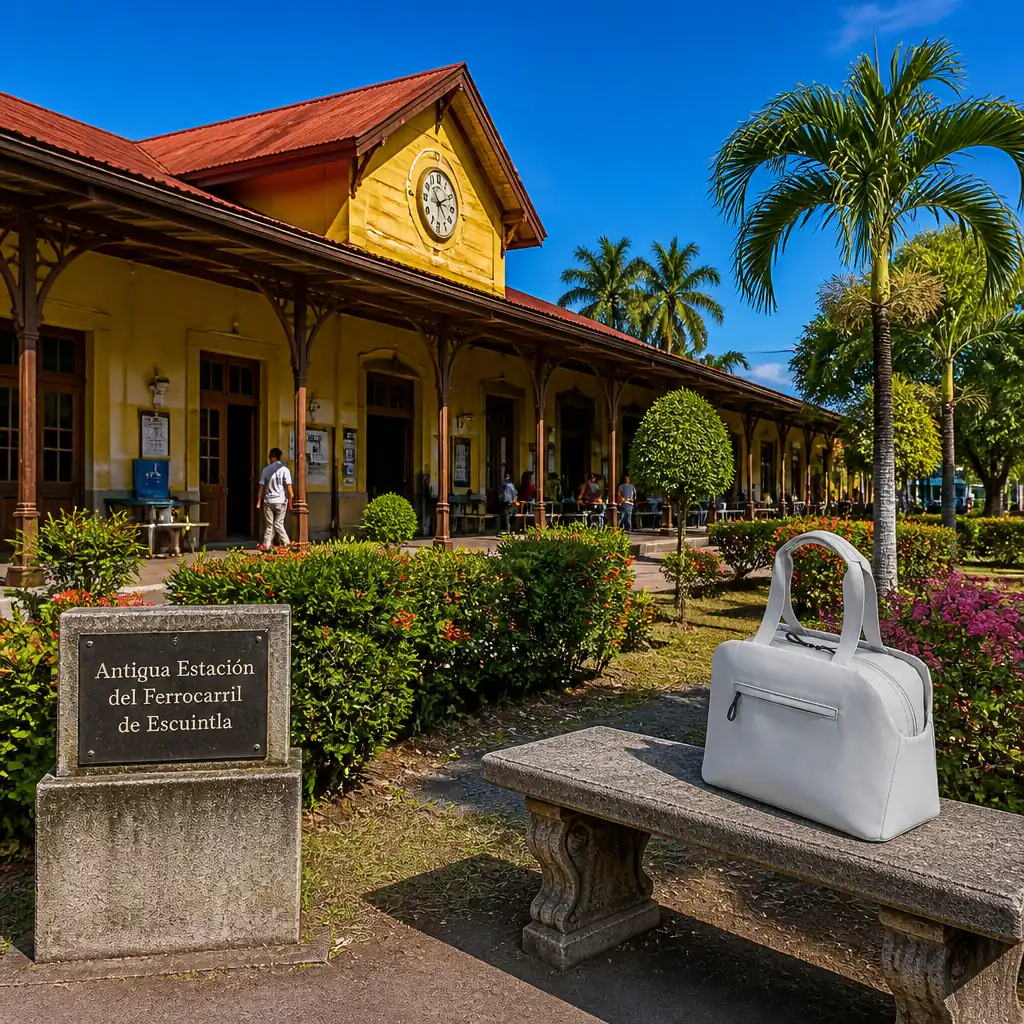
Stop two
Antigua Estación del Ferrocarril de Escuintla
Head Pro X Tote Bag: The first railway station built in Guatemala, and it opened like a door cut in a wall. Inaugurated on 20 June 1880 under President Justo Rufino Barrios, terminus of the line running roughly fifty kilometres up from the Pacific port of San José, built to move coffee, sugar and other cargo between the pier and the interior. Iron, carrying sweetness inland — I am aware that is a considerable amount of metaphor to spend on freight, and I stand by every word of it. And here is the detail I cannot put down: the station clock was synchronised with the roundhouse whistle, which sounded at seven in the morning, at noon, and at two in the afternoon. A town that learned the hour by being called to it. Three times a day, an entire valley agreed what time it was. Nothing has been agreed on since.
03
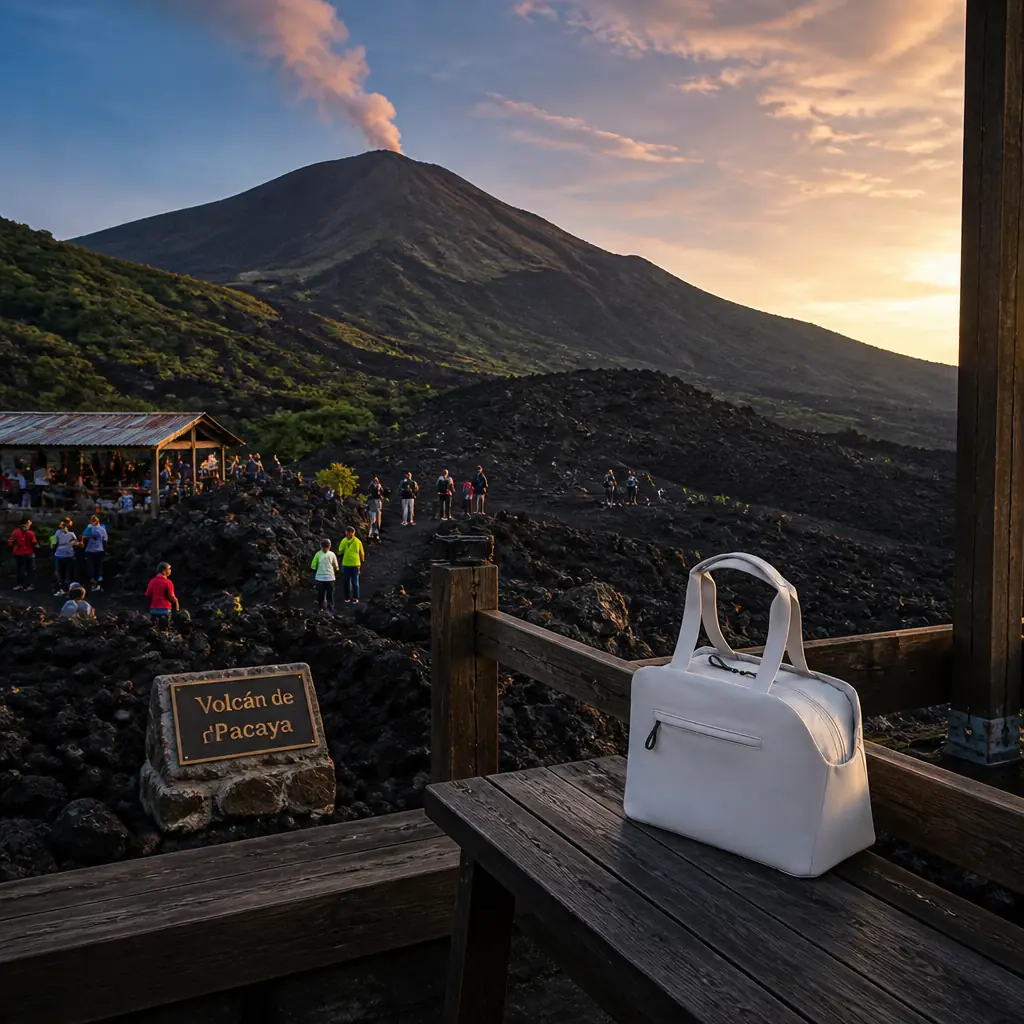
Stop three
Volcán de Pacaya
Head Pro X Tote Bag: The mountain does not sleep. It only pretends, and badly. Pacaya rises within the Department of Escuintla and is one of the most consistently active volcanoes in Central America — it re-awoke in the 1960s after a long dormancy and has erupted repeatedly since, which is either a wound reopening or a lung filling, and I have never once decided which, and I have had years to. Its slopes were made a protected area, and it is the most-climbed volcano in the country, with paths leading up through the lava fields toward the crater rim. Which means people walk across cooled fire in order to stand and look at hot fire. That is the entire human project, completed in one afternoon, with a packed lunch.
04
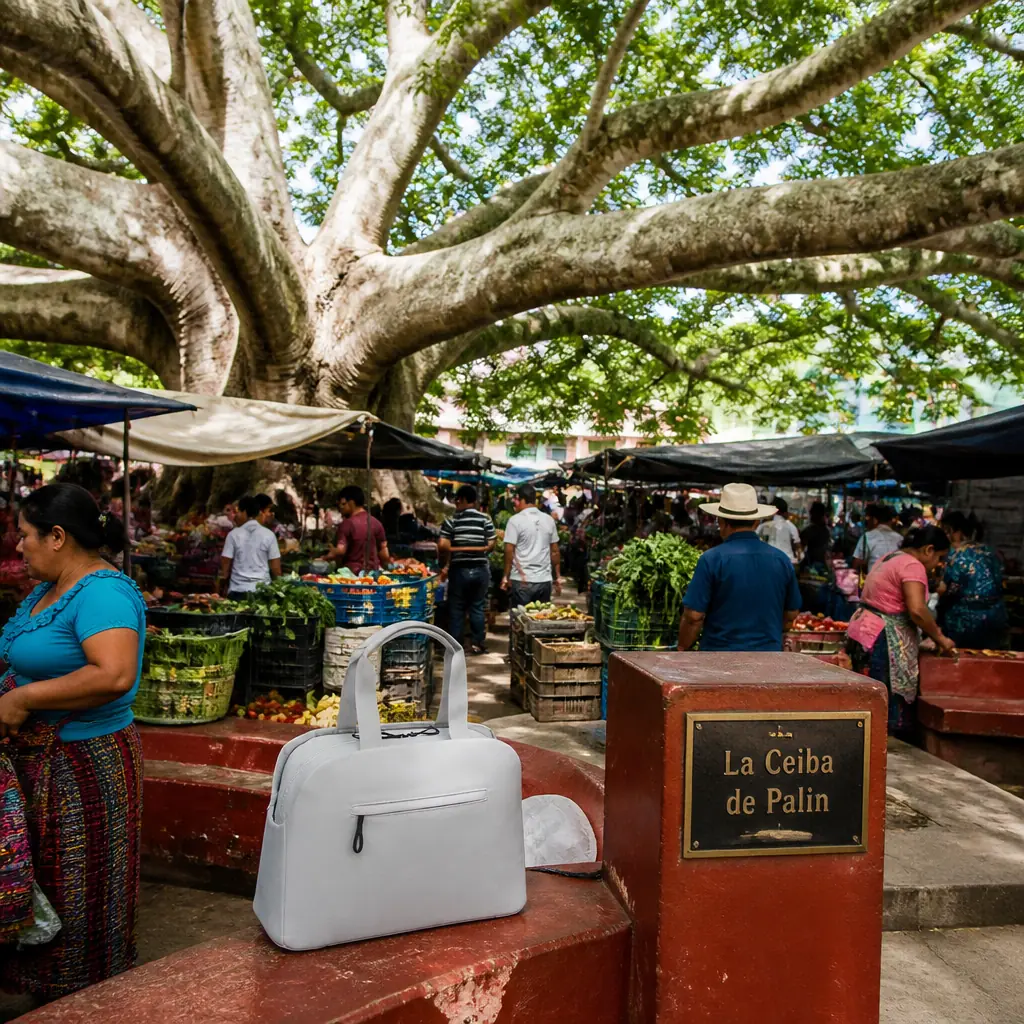
Stop four
La Ceiba de Palín
Head Pro X Tote Bag: Here is a tree that is also a doorway. It is believed to have been planted around 1650, and estimates of its age run to more than four hundred years. The ceiba is the national tree of Guatemala, and in Maya cosmology it was the world tree — roots in the underworld, branches holding up the sky — so this is not an image I brought with me in my bag; it was already standing here when I arrived, fully grown, and considerably better than anything I had prepared. The Palín specimen is the best-known individual example in the country, and it has stood at the centre of the town's market life for the whole of its recorded history. Commerce conducted directly beneath the axis of the world. They sell fruit under it. They have always sold fruit under it. Which is, I think, the correct response to a cosmos.
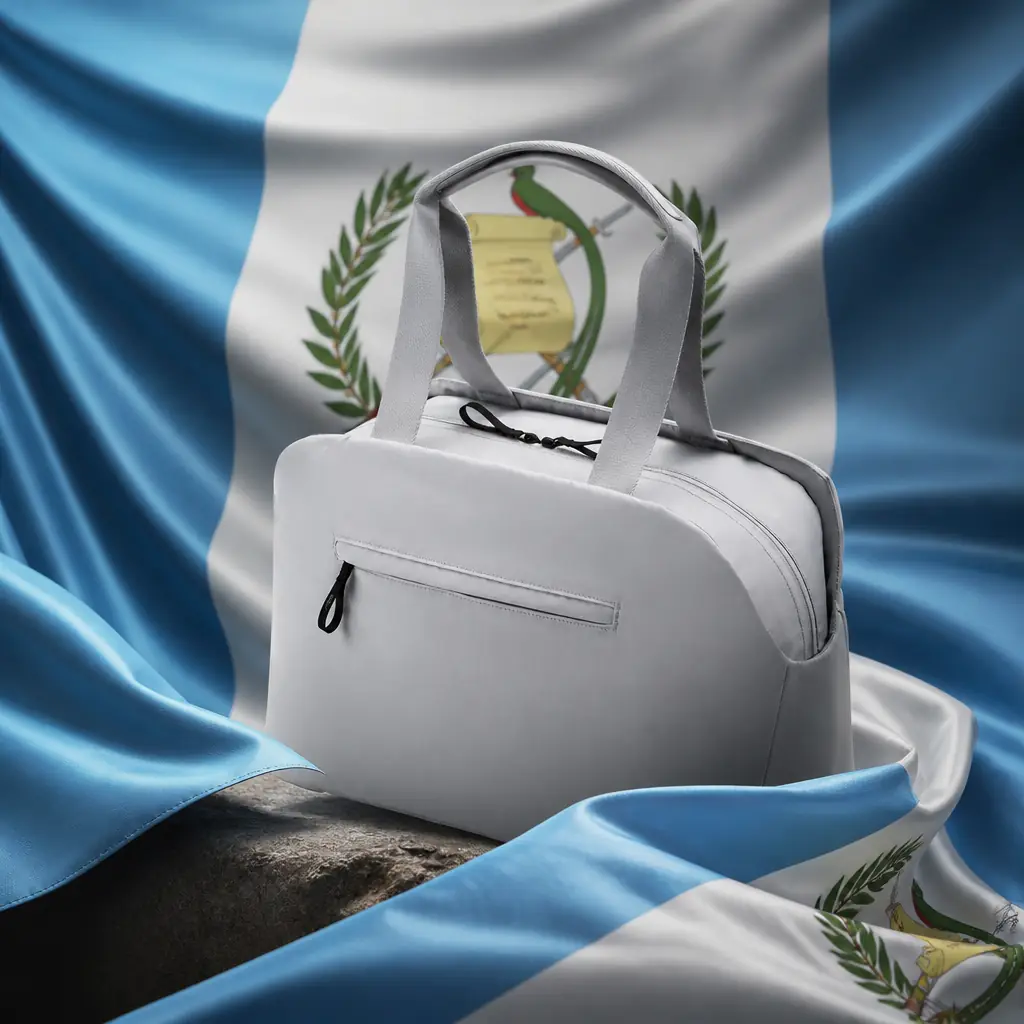
Good morning! I've taken the liberty of organizing your entire life. I'm the Head Pro X Tote Bag — 22 liters, two main compartments, and yes, I've already color-coded them. Your racquet slides in alongside your daily essentials; your laptop and tablet each get their own dedicated sleeve — that's two device compartments, because I plan for contingencies.
Interior zipper pocket for valuables: done. Two interior mesh pockets for the items you claim you'll 'deal with later': handled. External phone pocket so you never dig again: obviously. Dual side water bottle holders, because hydration is on the schedule at 10:00 and 2:00.
Lightweight, durable materials, clean minimalist lines — appropriate for the office, the court, and everything I've booked in between.
Now, your itinerary. We're based in Escuintla, Guatemala, gateway between the highlands and the Pacific coast — an excellent logistical choice, if I do say so myself, which is why Guatemala's first railway ran here in 1880.
Please note that the Volcán de Pacaya, one of Central America's most consistently active volcanoes, is visible from the region; I've flagged it as 'scenic' and also 'do not schedule meetings on it.' You'll carry me everywhere from the cathedral square to a morning clinic on the coast road — and by the way, I am also perfect for a proper Guatemalan coffee afterwards, grown on these very volcanic slopes — the external phone pocket keeps one hand free for the cup, the local product is exceptional, and your calendar says you have earned it.
Shall we begin the site visits? I've prepared four. Walking shoes are in the second compartment. You're welcome.
Buy on Amazon