02
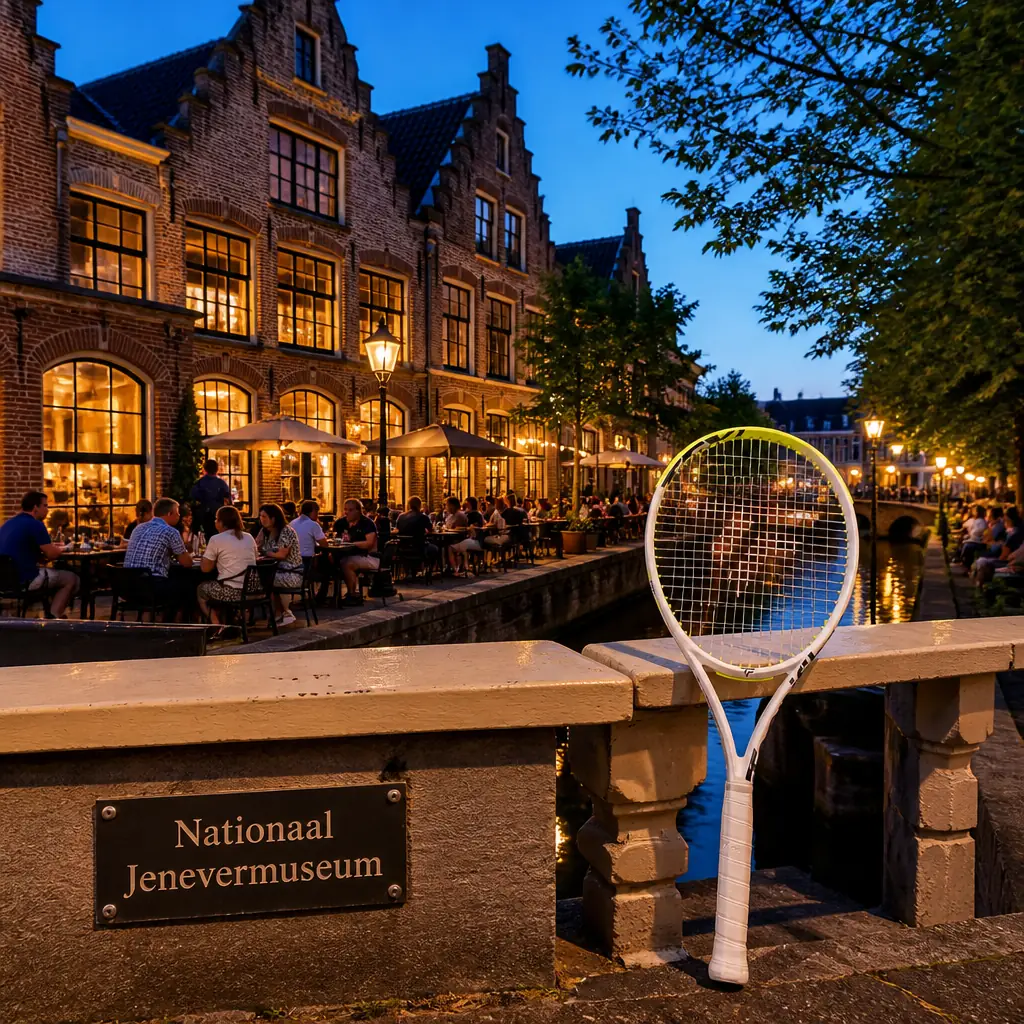
Stop two
Nationaal Jenevermuseum
Tecnifibre TF-X1 V2 305 Tennis Racquet: FALL IN. AROUND FOUR HUNDRED DISTILLERIES at the nineteenth-century peak. FOUR HUNDRED. From the seventeenth century this town turned almost wholly to distilling, and the smoking chimneys and the pungent air earned it a nickname: BLACK NAZARETH. Schiedam jenever shipped across the world, and that trade paid for the canals, the warehouses, the malt-houses and the giant windmills you were just looking at. The museum stands in a historic building on the Lange Haven and shows the malt-wine process in a working distillery, with stills, casks, bottles and advertising tracing the rise, the fall and the modern revival. Craft distillers are back on the old quays. THAT IS A COMEBACK. TAKE NOTES.
03
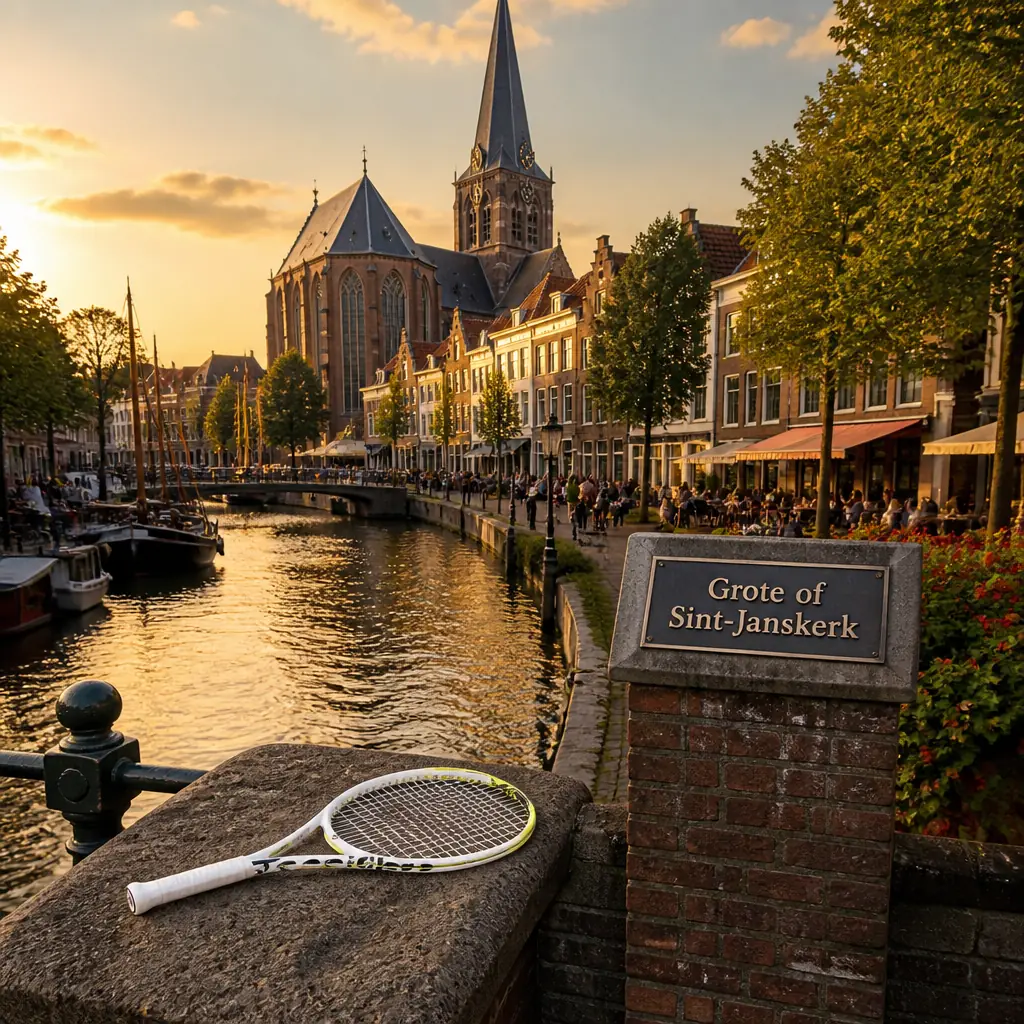
Stop three
Grote of Sint-Janskerk
Tecnifibre TF-X1 V2 305 Tennis Racquet: QUIET IN THE RANKS. This is among the oldest buildings in Schiedam, a late-gothic church with origins in the fourteenth and fifteenth centuries, when the young town grew around its dam on the river Schie. Now here is the name you will remember. SAINT LIDWINA OF SCHIEDAM. Injured in an ice-skating fall in 1395, she bore decades of illness with legendary patience, and she became the patron saint of ice skaters and of the chronically ill. Her cult made medieval Schiedam a pilgrimage town. That is endurance, and endurance is the only quality I respect. The church passed to Protestant use at the Reformation and still holds services, concerts and civic gatherings beneath those old vaults.
04
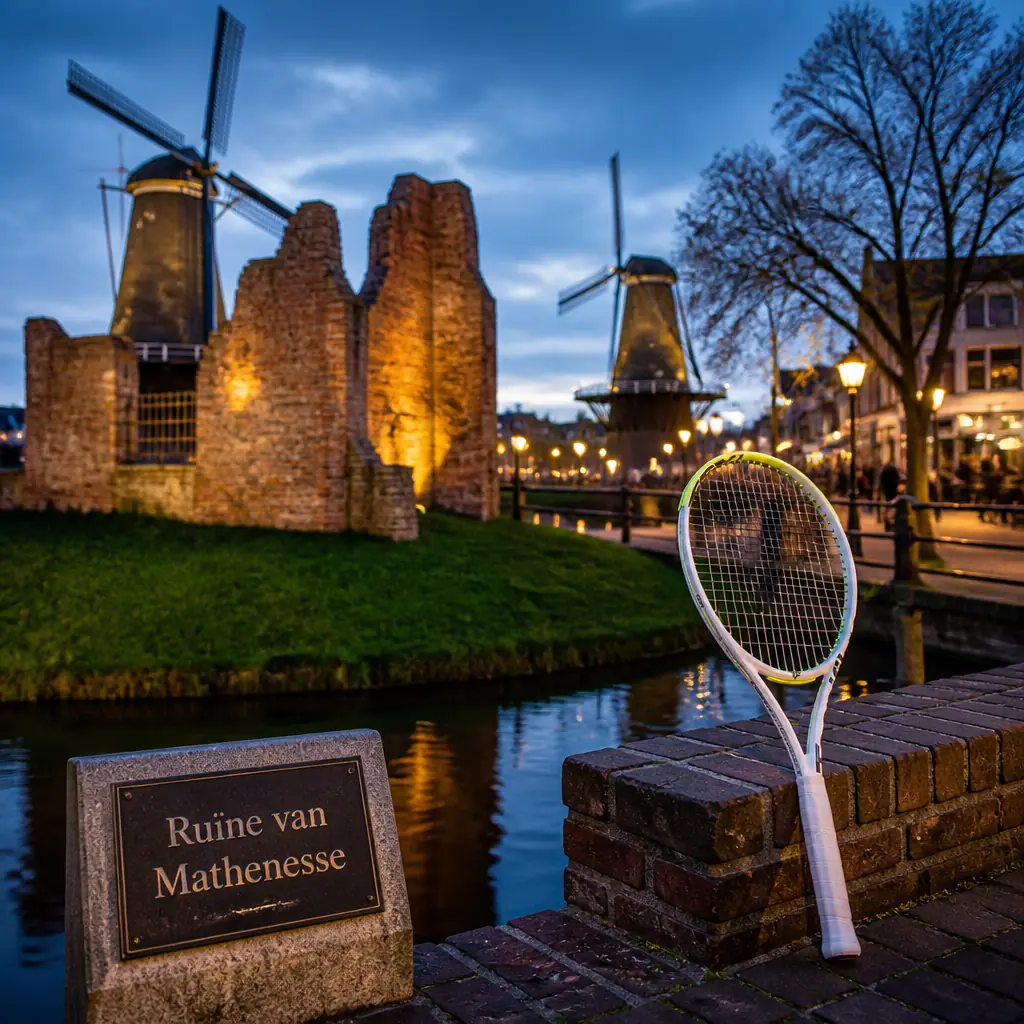
Stop four
Ruïne van Mathenesse
Tecnifibre TF-X1 V2 305 Tennis Racquet: WHAT IS LEFT IS STILL STANDING. That is the lesson, and I want it written down. This is the remnant of a thirteenth-century stronghold built beside the Schie by the lords of Mathenesse, guarding the waterway near the dam where Schiedam arose. It came through the region's medieval feuds, including the Hook and Cod wars that convulsed the county of Holland, and was damaged in the fighting of the sixteenth century during the revolt against Spain, after which it decayed and its stones were quarried away for other work. What remains are stumps of massive brick wall on a moated mound, conserved as a protected monument in the middle of the modern town. Industrial Schiedam began as a medieval water town. REMEMBER IT.
Feel that? Wind's freshening from the west. Good milling weather — and good tennis weather, if you've the right machinery. Come up into the cap and I'll show you what I mean. The Tecnifibre TF-X1 V2 305 is built on the same principle as my mill: catch the energy cleanly, convert it completely, waste nothing.
The frame: 98 square inches, 305 grams unstrung, 16×19 pattern, balanced at 315 millimeters with a strung swingweight around 330 — proper mass in the sails, which is where power comes from, any miller will tell you. The TF-X1 line is Tecnifibre's power series, but this 305 is the miller's cut: power with CONTROL, for players who bring their own wind.
X-Damp filters the shudder out of every impact — a mill that rattles is a mill badly kept — and Isoflex evens the response across the string bed, so off-center strikes still grind fine.
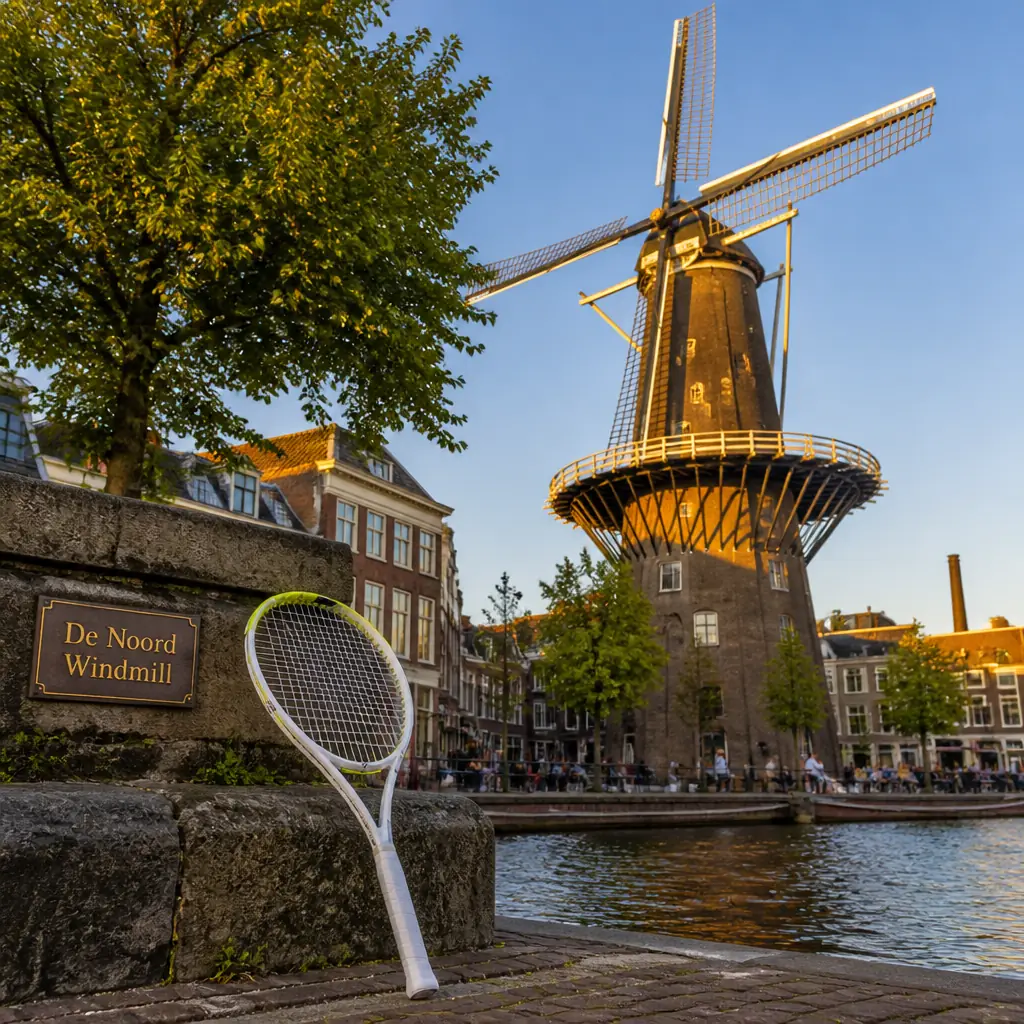
My mill stands in Schiedam, the Netherlands, and mind you look UP: the giant mills of this town are the TALLEST classic windmills ever built, around thirty-three meters — raised sky-high around 1803 so their sails could catch wind above the rooftops, because the gin trade needed grain milled and the city was hemmed in tight.
Four hundred distilleries once smoked away here; they called it Black Nazareth. You'll swing this racquet everywhere from a morning hit by the old harbour to an evening session when the sails creak in the sea breeze, and by the way, the traditional miller's reward in this town is a herring from the market cart — take it the Dutch way, and no complaining.
Now, wind's holding steady. Four stops on my rounds. Mind the stairs, they're steeper than they look.
Buy on Amazon