01
Stop one
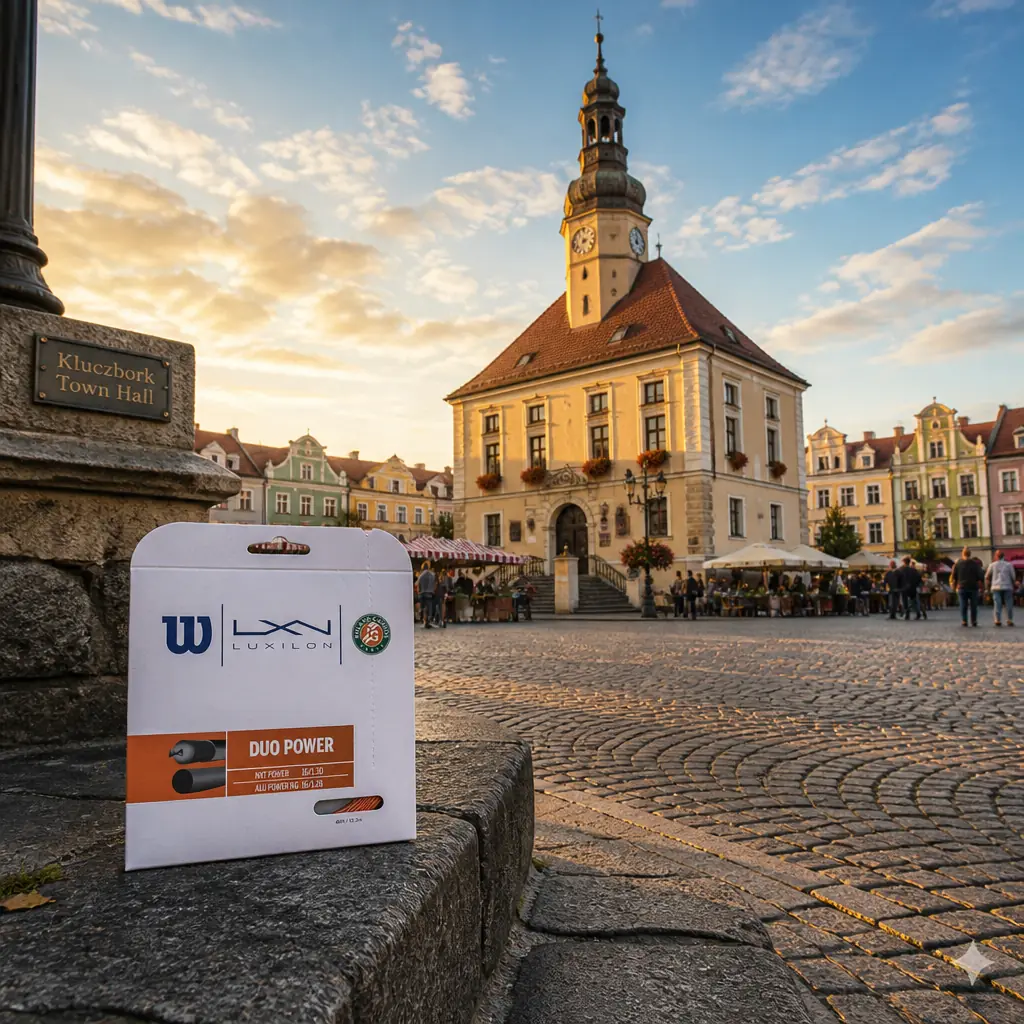
Kluczbork Town Hall
Wilson Duo Tennis String Set: Centre court. Every town has one and this is Kluczbork's — the town hall has stood in the middle of this square in one form or another since the Middle Ages. Present Renaissance-Baroque building went up in the eighteenth century after fire took the previous ones, rebuilt again and again, final form 1926. The arcaded merchant houses around the ring go back to the founding: chartered 1253, tied to the Knights of the Cross with the Red Star, grown rich on the Silesian crossroads. Piast, Bohemian, Habsburg, Prussian, Polish. That's five straight titles under five different flags, which — sorry. Not about me. Council and library inside now.
03
Stop three
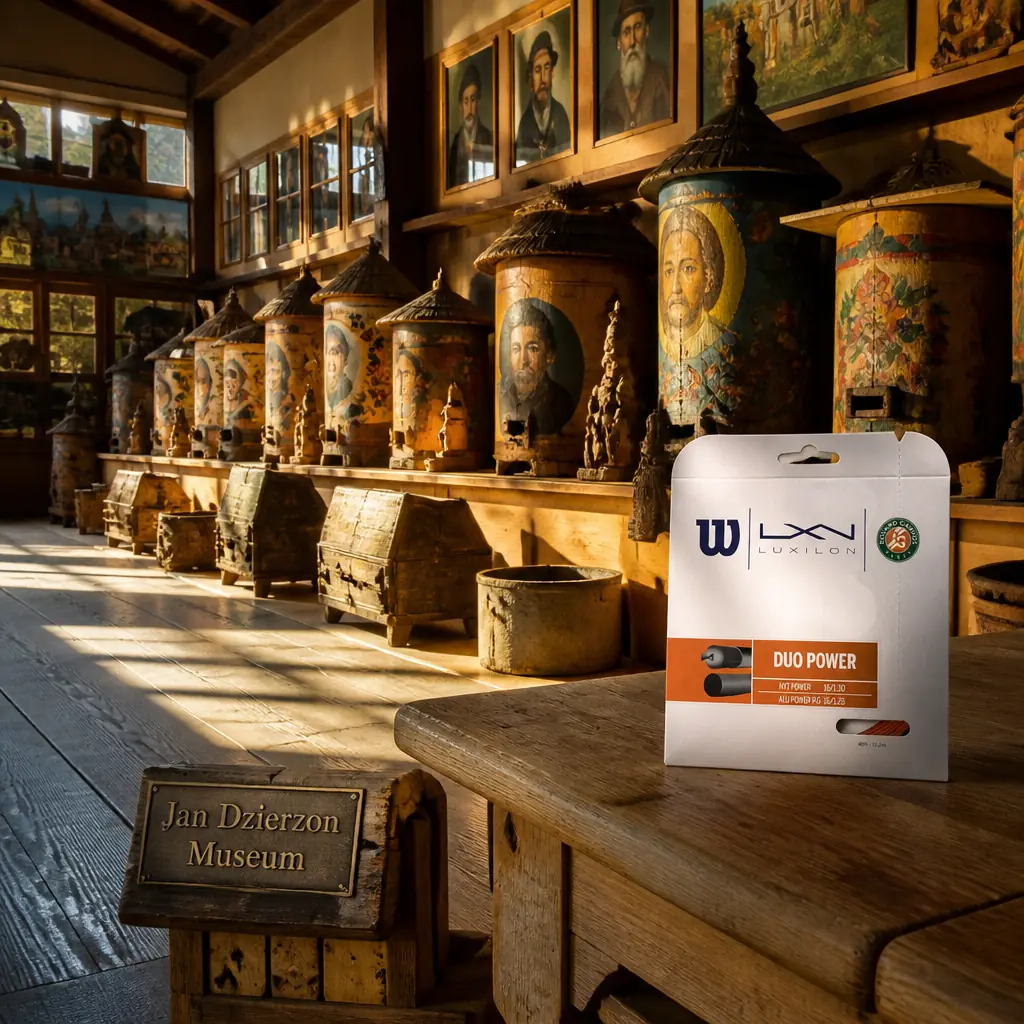
Jan Dzierzon Museum
Wilson Duo Tennis String Set: Now this man was a champion, and I don't say that lightly. Jan Dzierzon, born 1811 in Lowkowice just up the road, priest and apiarist, the father of modern beekeeping. He discovered parthenogenesis in honeybees — proved drones hatch from unfertilised eggs — and built the movable-comb hive that changed the whole sport. Sorry. Whole science. Darwin's generation took notice; honours across Europe; died 1906 having beaten everybody. The museum keeps his memory with a famous collection of historic hives, the carved figural ones, the tools, the documents, plus archaeology and ethnography of the Kluczbork land. Beekeeping capital of Poland, and the town says so out loud. Good. You should.
04
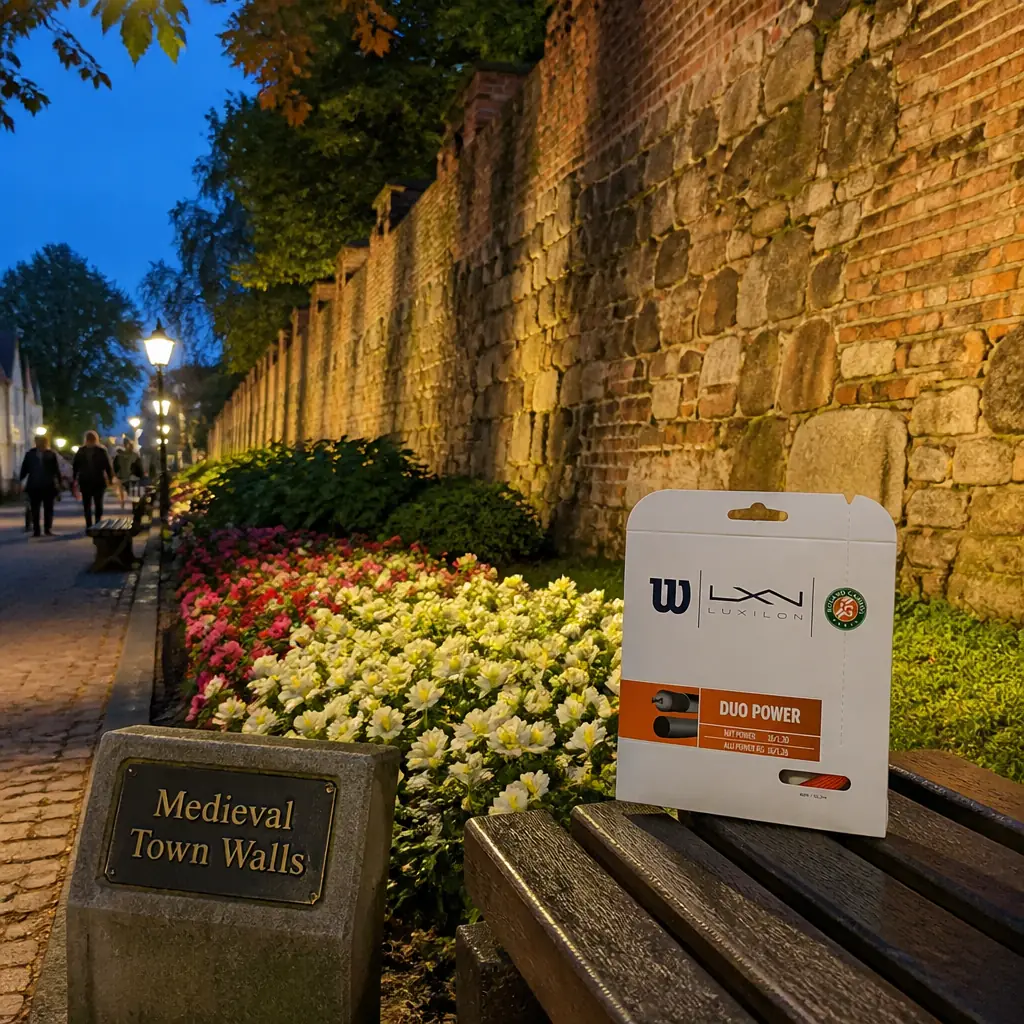
Stop four
Medieval Town Walls
Wilson Duo Tennis String Set: The old defensive ring, brick and fieldstone, going up from the fourteenth century onward around the compact grid of streets laid out at the thirteenth-century founding. Gates and towers once, mostly gone now. They held through the Hussite wars and the Thirty Years' War, both of which brought plunder and fire to Kreuzburg — that is a long unbeaten run against serious opposition. Then the game changed, the walls lost their military point, and the town outgrew them and pulled most of them down. Happens to all of us. What's left, with the castle remnants that now hold a centre for regional remembrance and crafts, is protected, and it still frames the old town.
One instrument, two jobs. The chanter carries the tune and the drones hold one steady note underneath it forever, and neither is any use alone. People hear the drone and think it is background. The drone is the reason the tune sounds like anything.
A Wilson Duo set is built on the same idea. It is a pre-packaged hybrid: two different strings in one packet, intended to be strung together — typically a firm co-polyester in one direction for control, bite and durability, and a softer string in the other for comfort and pocketing.
That combination is what most serious players end up at eventually, because a full bed of co-poly is harsh on the arm and a full bed of soft string moves around and dies quickly. Buying it as a Duo set removes the two annoyances of hybrid stringing: working out the pairing yourself, and having half-sets of two different strings cluttering the bag.
Convention puts the control string in the mains and the softer one in the crosses, and remember that a hybrid with any co-poly in it wants a slightly lower tension than an all-synthetic job.
Kluczbork honours a man who spent his life listening carefully to something most people ignore. The regional museum carries the name of Jan Dzierżon, the Silesian priest and apiarist called the father of modern beekeeping, born in 1811 in nearby Łowkowice, who discovered parthenogenesis in bees.
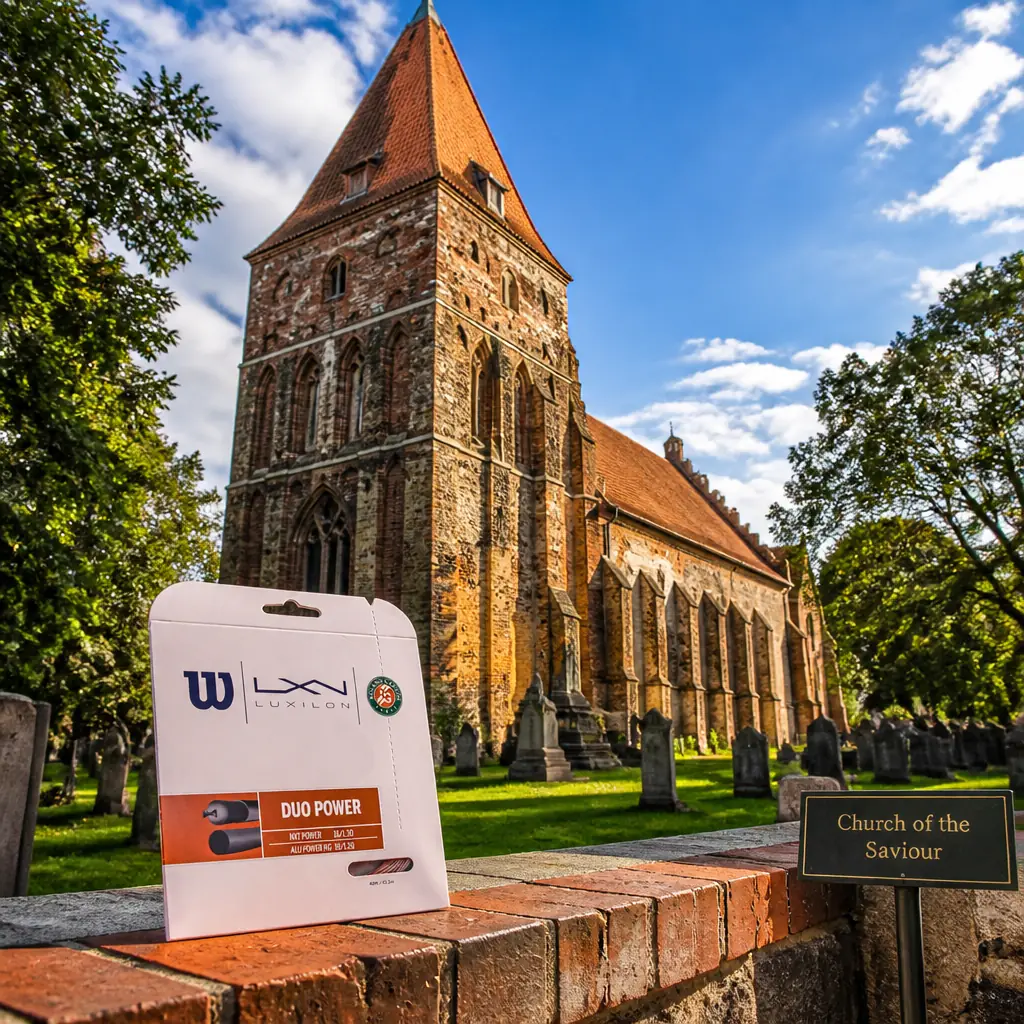
The town around it keeps its old shape. The Church of the Saviour is Kluczbork's most valuable monument, a fourteenth-century Gothic church whose origins reach back to the thirteenth-century founding, and which has been Protestant since the Reformation swept Silesia.
The town hall stands at the centre of the market square in its eighteenth-century Renaissance-Baroque form, raised after fires took its predecessors. And fragments of the medieval brick and fieldstone walls still trace the old town boundary.
You will use this set everywhere from a court in Kluczbork to an indoor hall in Opole, fifty kilometres south, and by the way, it is also perfect for an afternoon among the carved hives in the Dzierżon museum, which is the best argument I know that two different things can be built to work together.
Buy on Amazon