01
Stop one
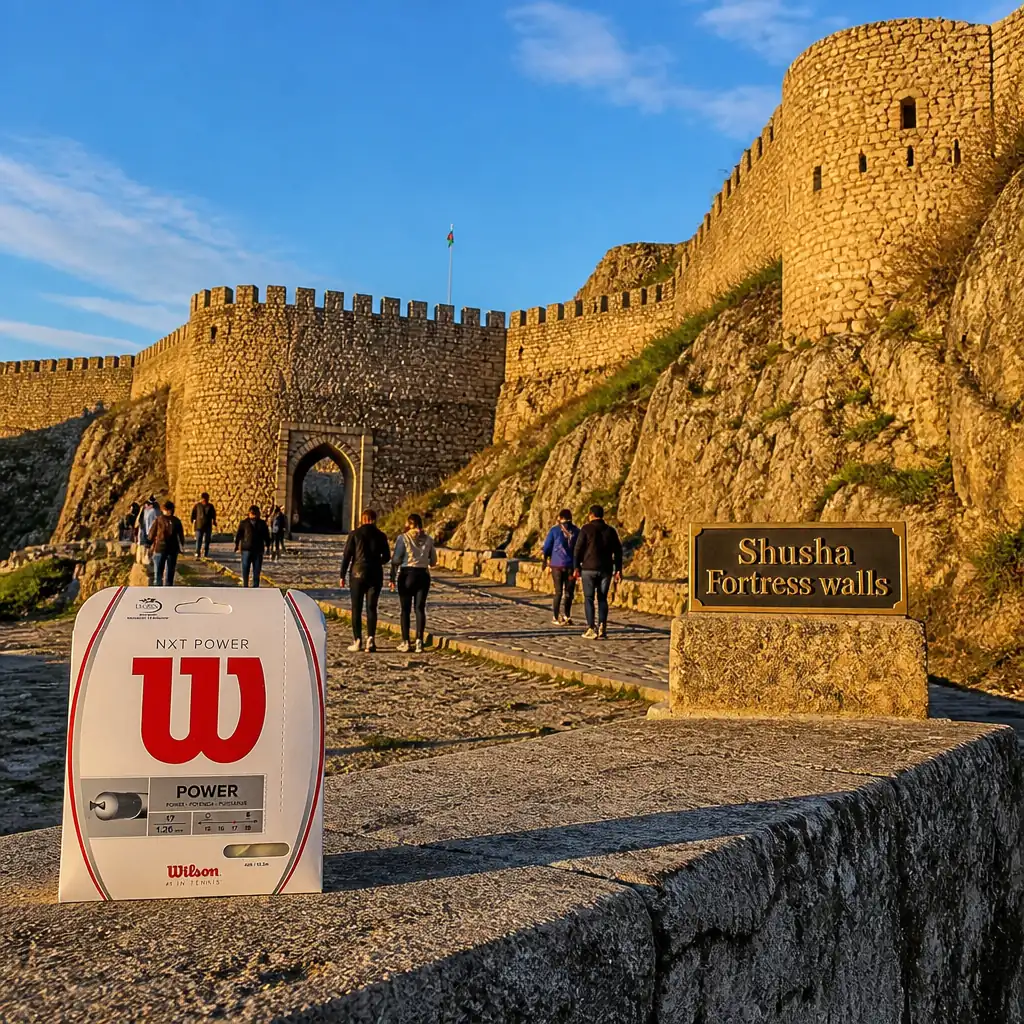
Shusha Fortress walls
Wilson NXT Power 17g Tennis String Set: Position. That is the whole of it, isn't it — pick your ground and make them come to you. Panah Ali Khan founded this fortress in the early 1750s as the stronghold and capital of the Karabakh Khanate, choosing a naturally defended mountain plateau, which is the shrewdest decision anybody made that century. The walls run roughly 2.5 kilometres with round defensive towers, built of local stone along the plateau's cliff edges, enclosing the town that grew into the political and cultural centre of Karabakh. It withstood sieges in the eighteenth century, including campaigns by Agha Mohammad Khan of Persia, who was assassinated in Shusha in 1797. The Ganja Gate is the principal surviving entrance and the emblem of the fortifications, restored in stages. — Sorry. I was about to tell you about a court I liked. Never mind me.
02
Stop two
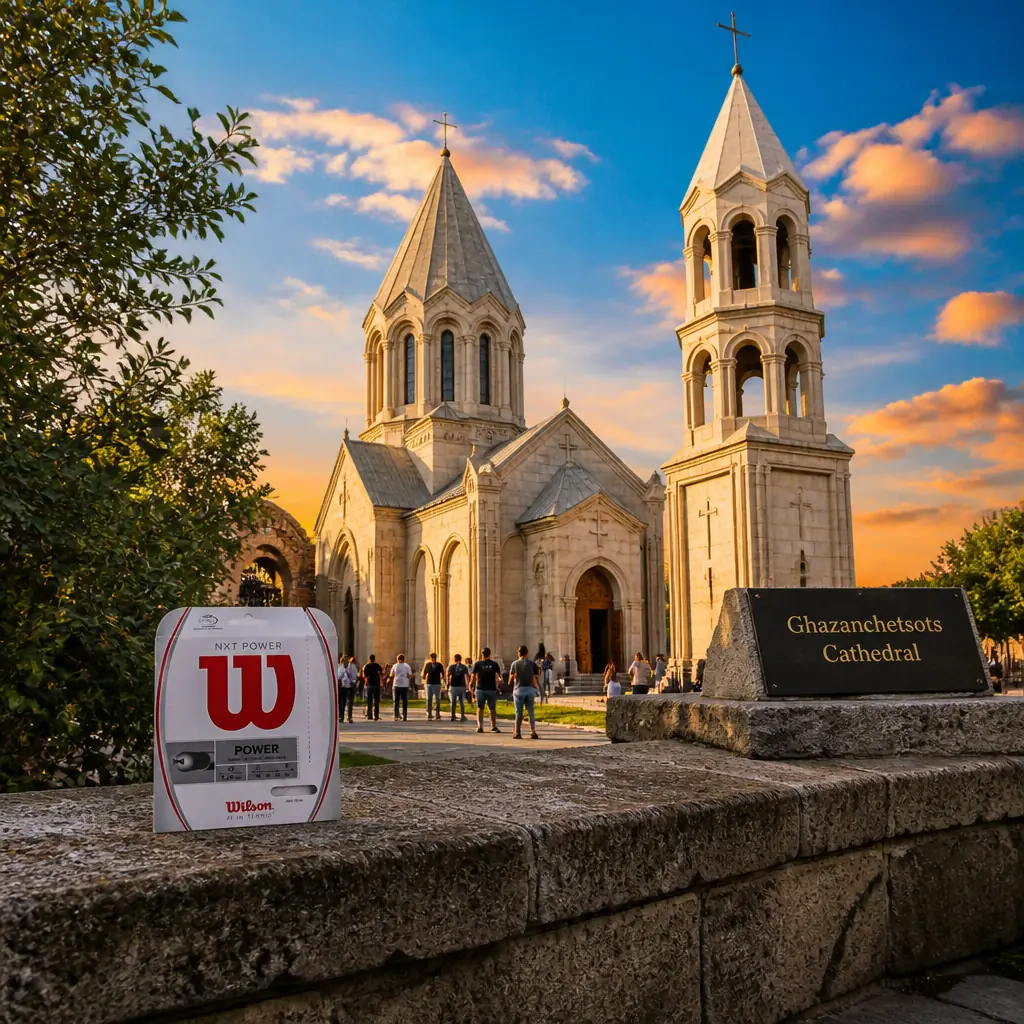
Ghazanchetsots Cathedral
Wilson NXT Power 17g Tennis String Set: Thirty-five metres of white local limestone, and I will keep myself out of this one entirely. The Holy Savior Cathedral, known as Ghazanchetsots, was built between 1868 and 1887 as the principal church of Shusha's Armenian community, which formed one half of the town's population in the nineteenth century alongside its Azerbaijani half. It stands on a cross-shaped plan, with a separate bell tower completed earlier, and was among the largest Armenian churches ever built, serving as a cathedral of the Armenian Apostolic Church. The building has been damaged and restored repeatedly amid the region's conflicts, including damage during the 2020 war, after which restoration work was undertaken. It remains one of the most significant religious monuments of Karabakh.
03
Stop three
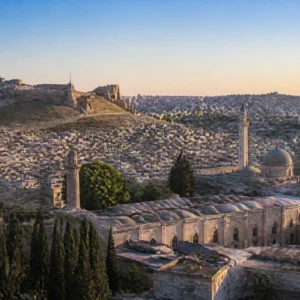
Yukhari Govhar Agha Mosque
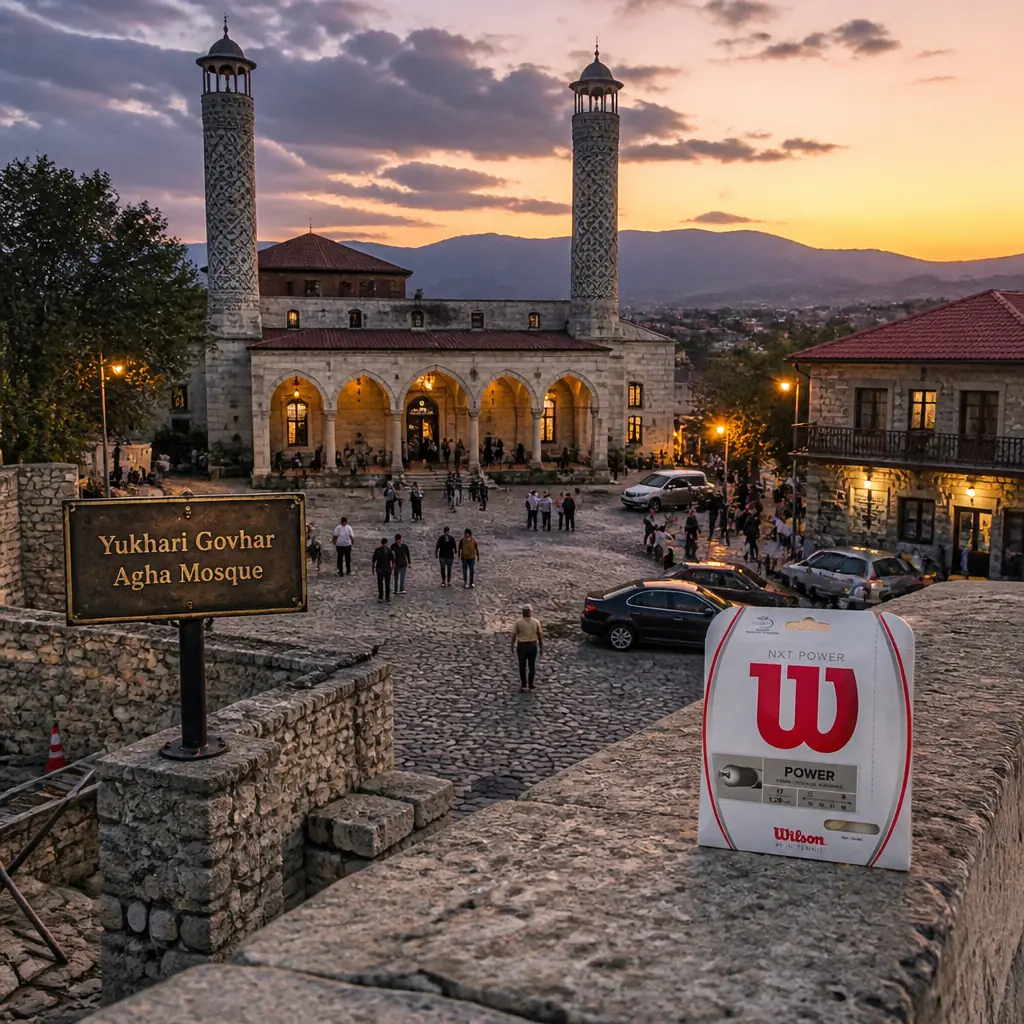
Wilson NXT Power 17g Tennis String Set: Twin minarets in patterned brick — you can read that man's signature from the next valley, and I mean it as the compliment it is. The Yukhari Govhar Agha Mosque, the upper of two mosques endowed by Govhar Agha, daughter of Ibrahim Khalil Khan of Karabakh, was completed in the 1880s by the architect Karbalayi Safikhan Karabakhi, whose style defined a whole school of mosque architecture across Karabakh. It stands near the central square, on a site where earlier mosques had stood since the town's eighteenth-century founding as capital of the Khanate. Long the principal Friday mosque of Shusha's Azerbaijani community, it fell into disuse during the conflicts of the late twentieth century and was restored in recent years, returning to worship. A signature legible at distance. I had one of those, once. Different game entirely.
04
Stop four
Vagif Mausoleum
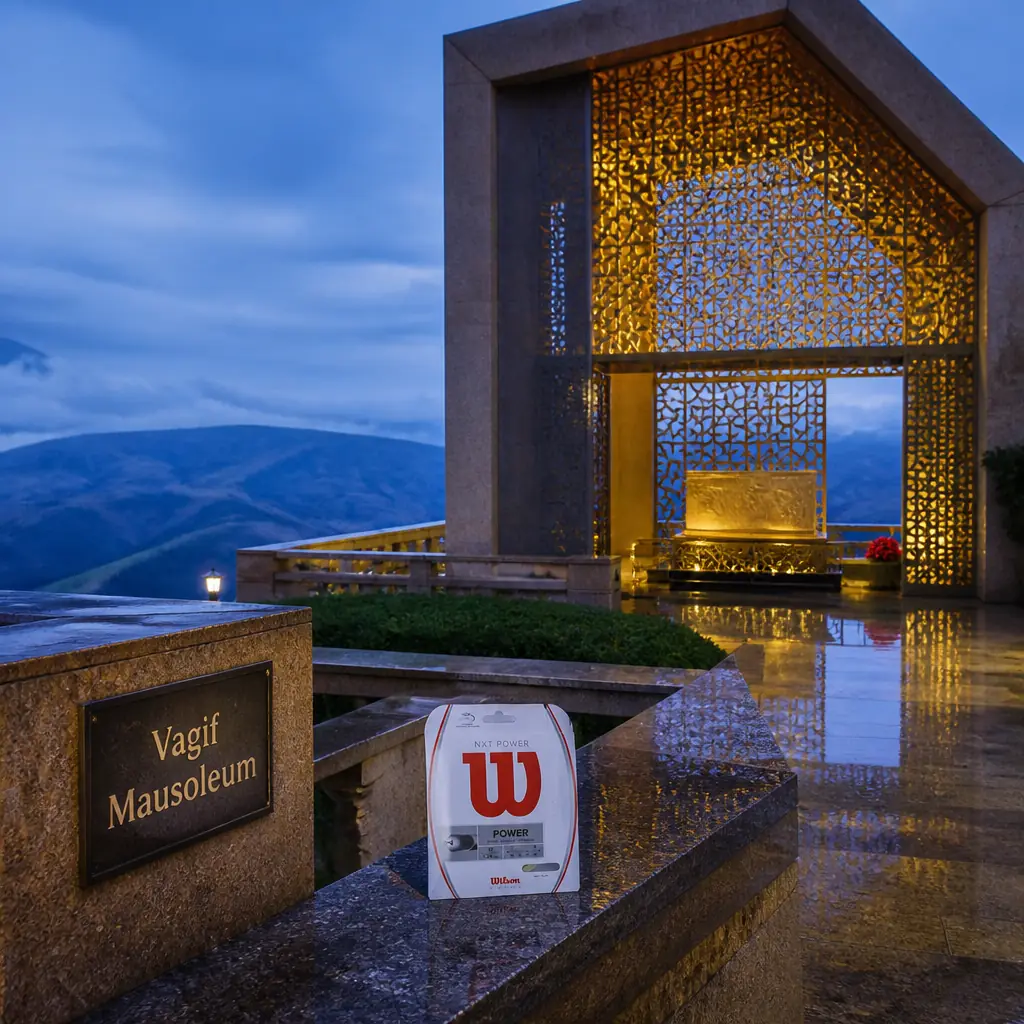
Wilson NXT Power 17g Tennis String Set: Molla Panah Vagif is regarded as a founder of modern Azerbaijani poetry. He served as vizier of the Karabakh Khanate here in Shusha and was executed in the town in 1797, after the Persian occupation. The mausoleum was erected over his grave in 1982, a tall openwork structure of stone in a modernist idiom, and it became a site of literary pilgrimage and the venue of annual poetry festivals in the late Soviet period. Damaged and neglected through the decades of conflict that followed, it was restored and reopened in 2021, and the poetry commemorations have resumed at the tomb of the poet most closely identified with this town. — Two hundred years on and they still come back for the poems. I got twenty years and a dinner. He wins.
Resonance is not decoration. It is the instrument. Wilson NXT Power is built the way a good soundboard is built — nearly twice as many fibres as regular NXT, bound with Xycro microfibres that Wilson credits with about eighty per cent less vibration than traditional synthetic gut, and a sweet spot roughly fifteen per cent larger for it.
It is the softest and most comfortable string in the NXT family and the closest to a natural gut response. The 17 gauge is finer and more responsive, with more bite on the ball. One 12 m / 40 ft set.
Shusha is a city of musicians, so we begin at the Vagif Mausoleum, raised in 1982 over the grave of Molla Panah Vagif, the eighteenth-century poet regarded as a founder of modern Azerbaijani poetry, who served as vizier of the Karabakh Khanate here and was executed in 1797.
You will string this everywhere from a hard court down on the plain to a court up here on the plateau where a struck ball carries across three valleys, and it is also perfect for a room of people who have come specifically to listen — a bed this quiet lets you hear the ball leave the strings.
The fortress walls came first: founded in the early 1750s by Panah Ali Khan, who chose this naturally defended mountain plateau for his capital, roughly 2.5 kilometres of local stone with round towers. Ghazanchetsots Cathedral, the Holy Savior, was built between 1868 and 1887 in white local limestone as the principal church of the town's Armenian community.
And the Yukhari Govhar Agha Mosque, endowed by the daughter of Ibrahim Khalil Khan and completed in the 1880s by Karbalayi Safikhan Karabakhi, carries the twin patterned-brick minarets that defined a whole school of mosque architecture. Stand between them and listen. This air carries.
Buy on Amazon