01
Stop one
Cite de Carcassonne
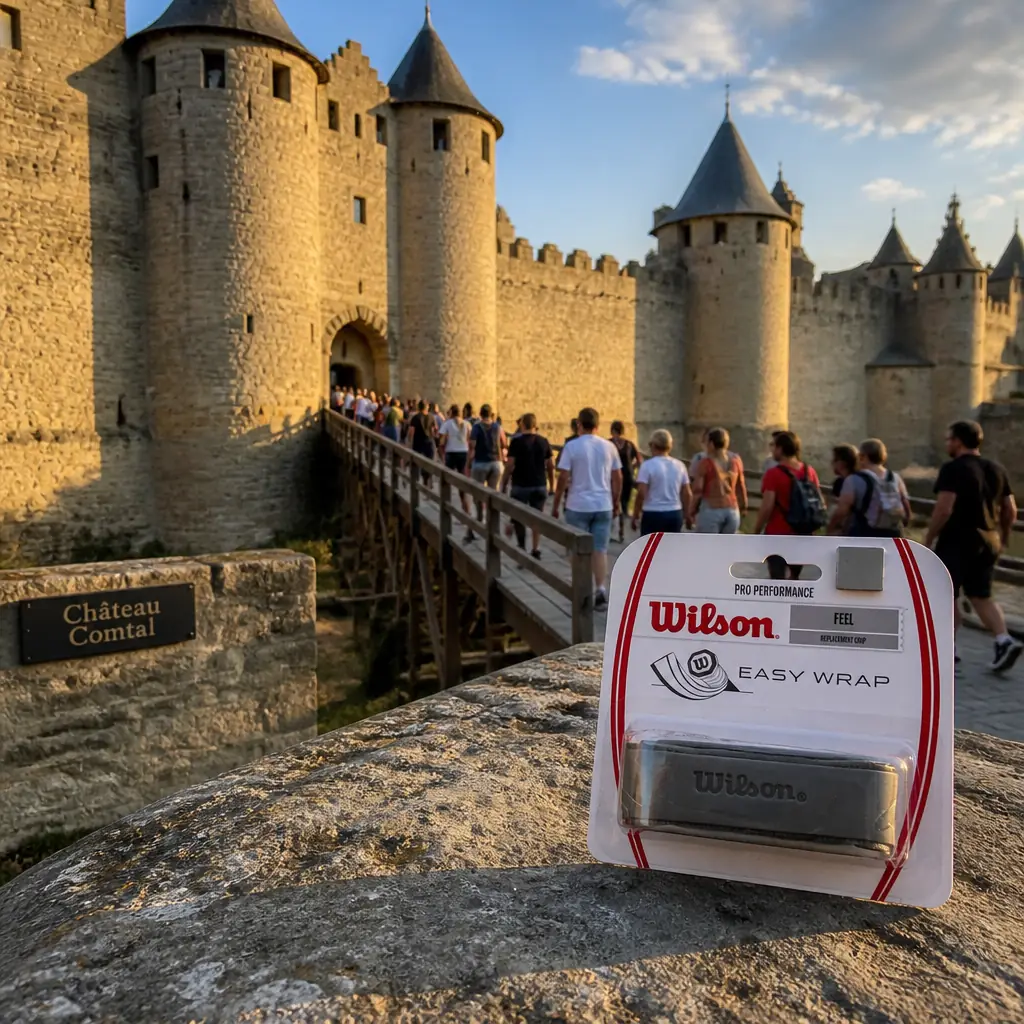
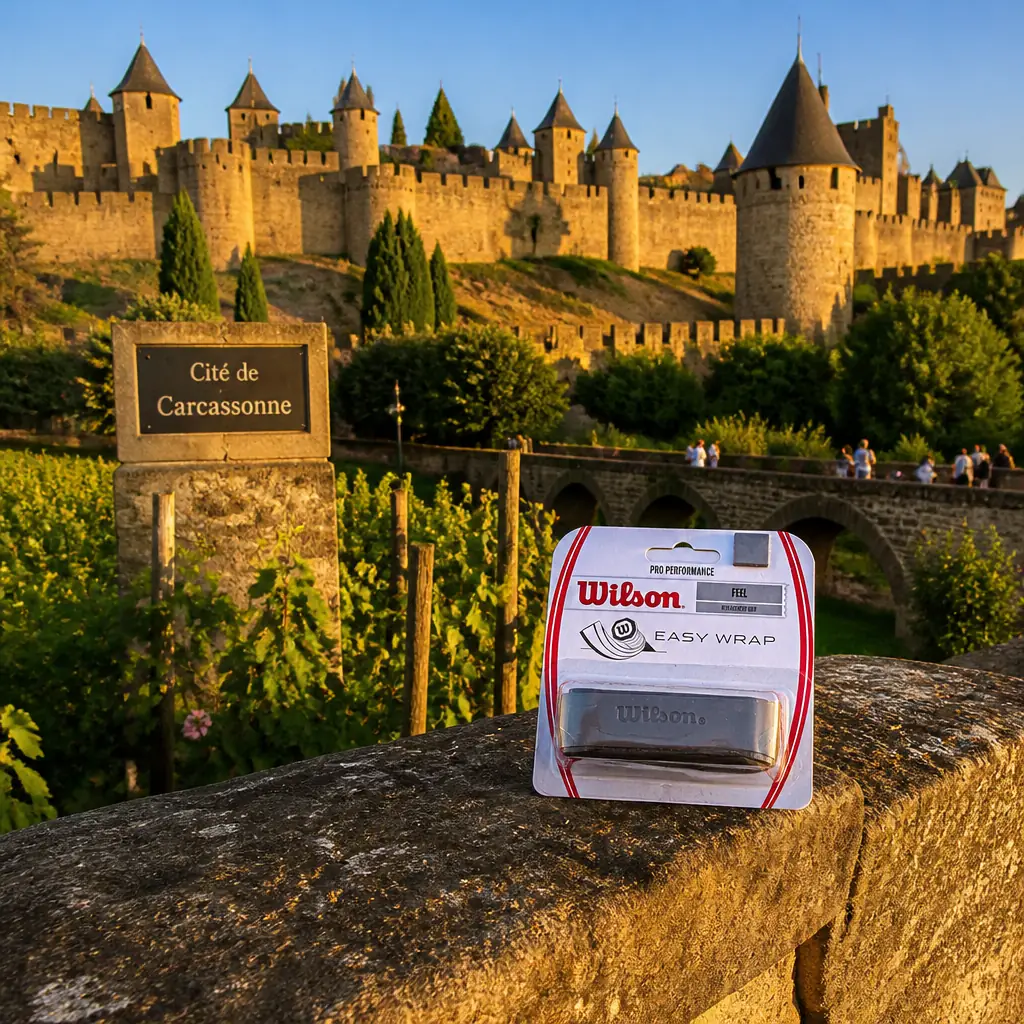
Wilson Shift Pro Performance Tennis Replacement Grip: Fifty-two towers and not one of them taken down by weather — believe me, I checked. Romans fortified this hill for the road between the Atlantic and the Mediterranean. Visigoths thickened it in the fifth century. After the Albigensian Crusade of 1209 the French crown rebuilt the whole thing as a frontier fortress against Aragon, outer wall, barbicans, the lot. Then the Treaty of the Pyrenees in 1659 moved the border south and here comes the slow disaster: it rotted so badly that demolition was ordered in 1849. Local protest saved it, Viollet-le-Duc restored it from 1853, those slate roofs still start arguments. UNESCO, 1997.
03
Stop three
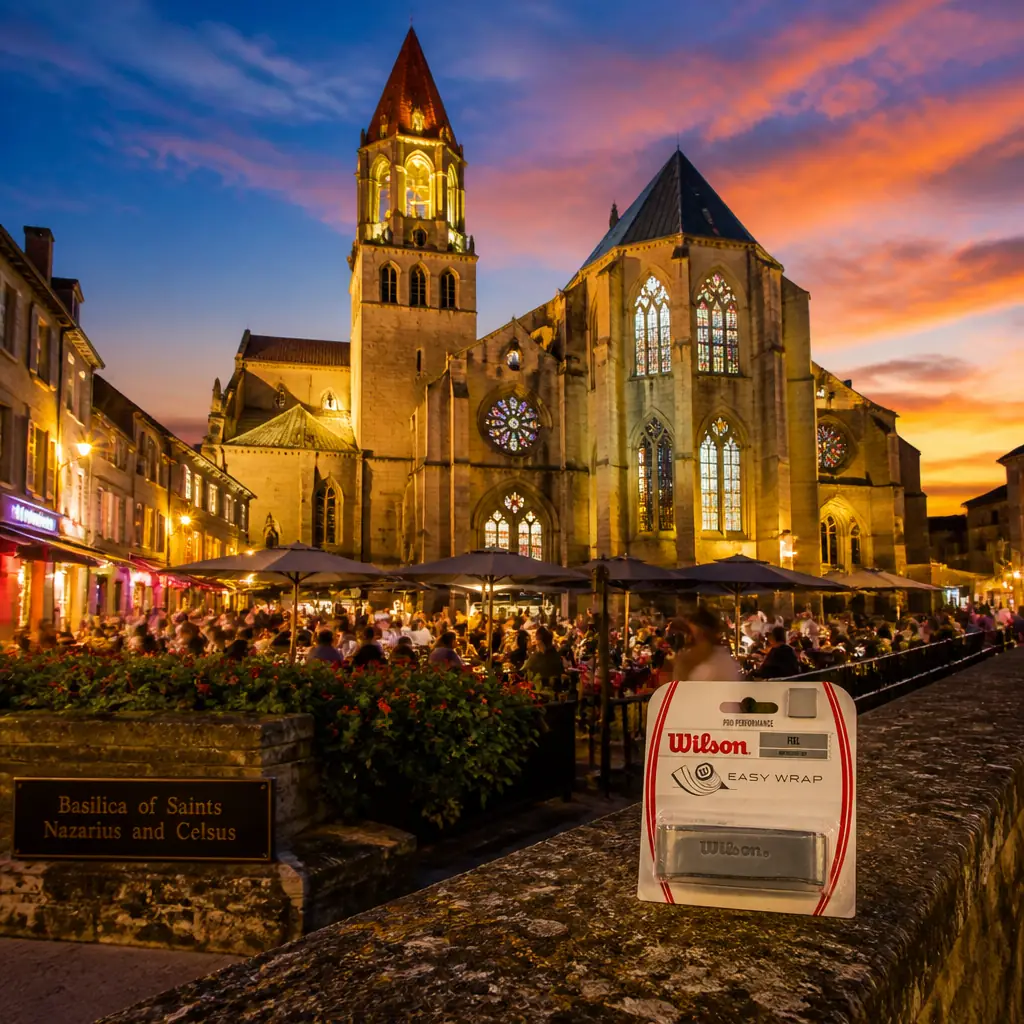
Basilica of Saints Nazarius and Celsus
Wilson Shift Pro Performance Tennis Replacement Grip: Stained glass is the most fragile thing in any town — one hailstorm, one blast, gone — and some of the oldest in southern France is sitting in here intact. Saint-Nazaire was consecrated in 1096 by Pope Urban II, who blessed the stones while preaching the First Crusade. The Romanesque nave belongs to that campaign; the transept and choir were rebuilt in radiant Gothic between 1269 and 1330 on royal money, which is why the two halves collide so abruptly. The tomb slab said to commemorate Simon de Montfort is here. Cathedral until 1803, minor basilica from 1898.
04
Stop four
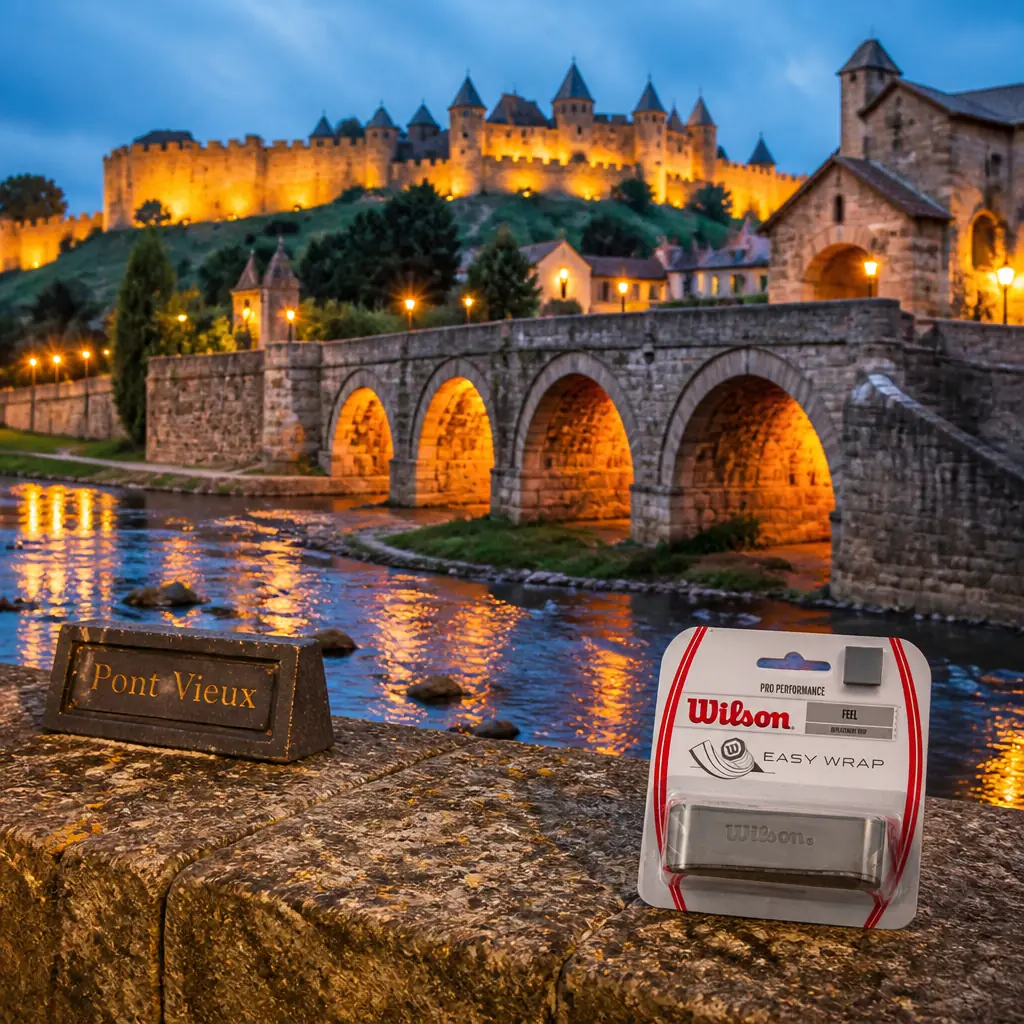
Pont Vieux
Wilson Shift Pro Performance Tennis Replacement Grip: Twelve arches, uneven spans, triangular cutwaters aimed straight upstream — that shape exists because the Aude floods, and a bridge that argues with a river loses. Built in the early fourteenth century to link the hilltop Cite with the Bastide Saint-Louis, the grid town founded in 1260 after the townspeople were expelled from the citadel for revolting. Until the nineteenth century it was the only crossing of the Aude here. Pedestrians only now, and every 14 July the crowds pack it for the Embrasement de la Cite, when the walls are set alight with fireworks. Controlled catastrophe. Beautiful.
Two walls. That is the answer to almost every question anyone has ever put to me, and Carcassonne is the proof: two concentric circuits, about three kilometres of them, 52 towers, and a killing ground in between. An attacker who takes the outer wall has taken nothing. He has walked into a corridor.
A replacement grip is the inner wall. Everybody obsesses over the overgrip, which is the outer circuit, cheap and constantly renewed and meant to be lost, and forgets that underneath it sits the layer actually shaping the handle. This is the Shift Pro Performance grip: trim, tacky, made to let the bevels come through so your hand knows where it is without looking.
Fit a fresh one and every overgrip you wrap over it for the next year is better.
Carcassonne also proves that survival is a decision somebody takes. The fortress lost its purpose when the Treaty of the Pyrenees moved the Spanish border in 1659, was marked for demolition in the nineteenth century, and was saved by a campaign before Viollet-le-Duc took over from 1853 and added the pointed slate roofs scholars have argued about ever since.
Somebody decided it was worth keeping. Decide the same about your handle. This works everywhere from a clay court in the Aude valley to an indoor hall in winter, and it is also perfect for the player who has been wrapping overgrip over overgrip since 2022.
Buy on Amazon