01
Stop one
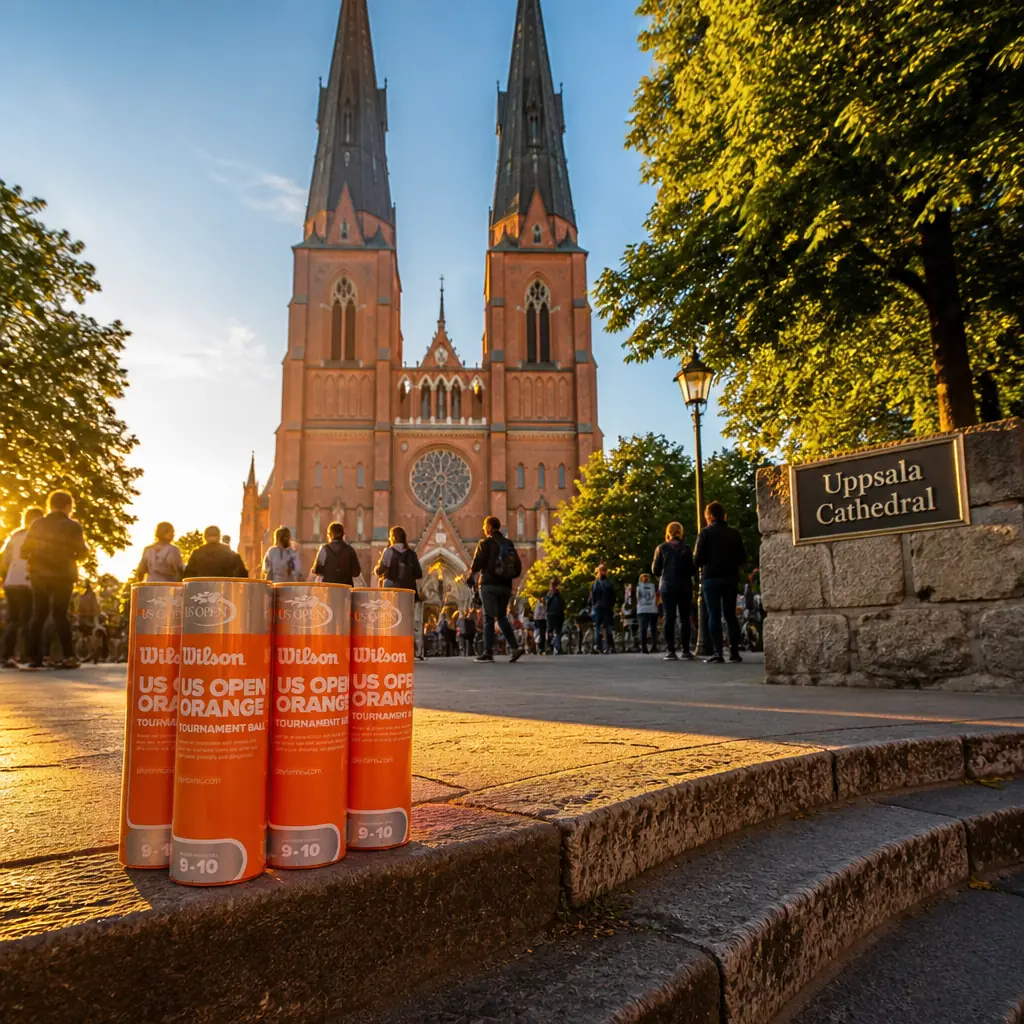
Uppsala Cathedral
Wilson US Open Orange Tournament Tennis Ball Case: Yes, fine, it is the tallest church in the whole of Scandinavia, consecrated in 1435, and I suppose it is rather an honour for it to be looked at this morning by me. Gustav Vasa is entombed in there. Linnaeus is buried in there. I am, as you can see, in excellent company, and they are in considerably better. Now attend to the material, because this is where I display range: it is brick. Not stone. Brick. Every one of them moulded, dried and fired by hand, in quantities you cannot picture, then laid by a mason, under French master builders imported specifically to run the job, over a period well beyond a century. Beyond a century. I have known people abandon a project inside a fortnight. Twin spires. Look up. You're welcome.
02
Stop two
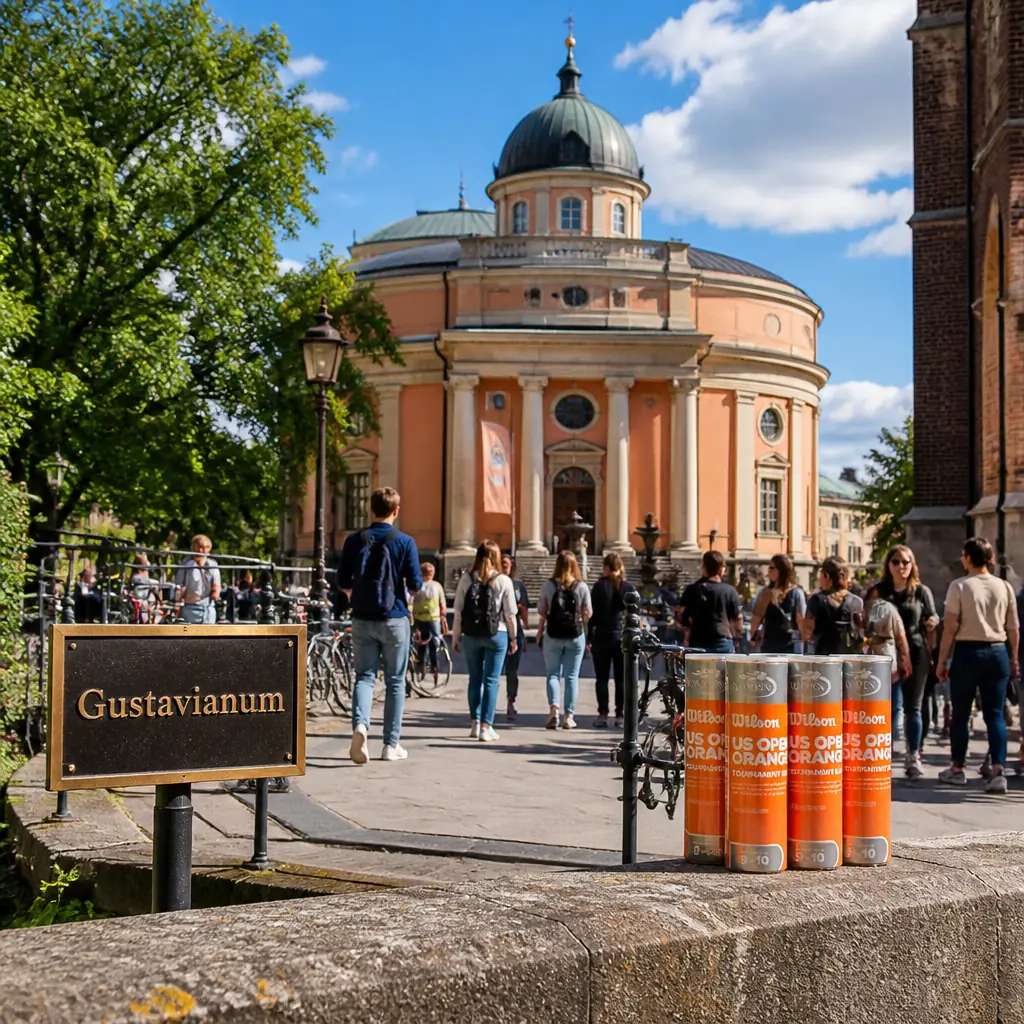
Gustavianum
Wilson US Open Orange Tournament Tennis Ball Case: That peculiar dome across from the cathedral — the Gustavianum — contains something I am uniquely qualified to appreciate: an anatomical theatre from the 1660s, built by Olof Rudbeck. Rudbeck. One says the name and the lesser guides simply nod along. Steep wooden tiers rising in rings around one single table, so that every student in the room could look down upon the dissection, which is, I concede, my own preferred viewing arrangement for absolutely anything. And here I drop the pose, because it matters: the bodies on that table were those of executed criminals, because the law permitted no others. Modern anatomy in this country begins there, with people who had no say in it whatsoever. Remember that in the room where it happened. Then by all means resume admiring me.
03
Stop three
Uppsala Castle
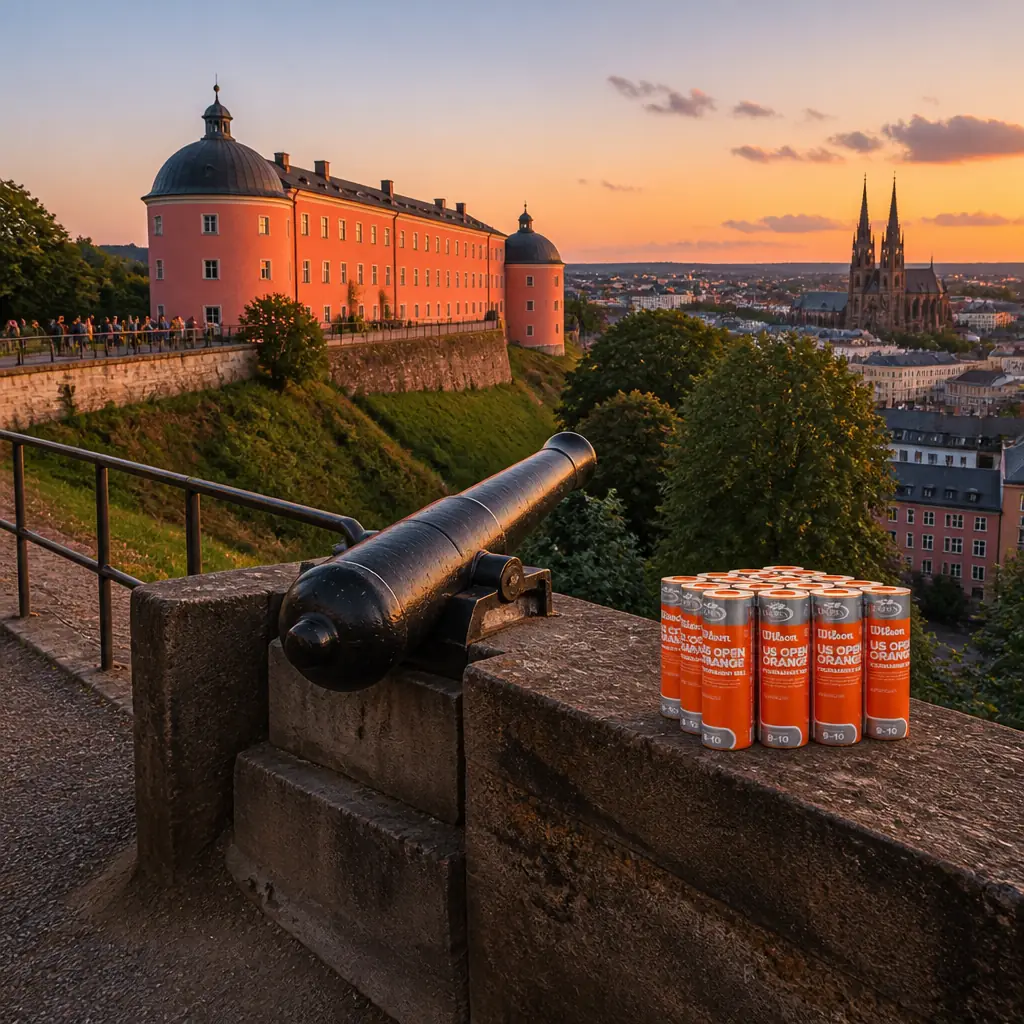
Wilson US Open Orange Tournament Tennis Ball Case: Observe where the cannons are aimed. Down. At the cathedral. Gustav Vasa began this castle in 1549 and pointed his artillery at the church, which is the single most magnificently arrogant gesture in this country, and I say that as its foremost living authority on arrogance. In 1567 King Erik XIV had members of the Sture family killed inside these walls in a fit of paranoia, and then wandered off into the woods — which is not a joke and I decline to treat it as one. The great fire of 1702 took much of the place, and it was rebuilt, in that pink render, with those round bastion towers, along the ridge above the whole city. Cannon, catastrophe, restoration, superb view. Rather like my own career, only conducted at a slower tempo.
04
Stop four
Gamla Uppsala royal mounds
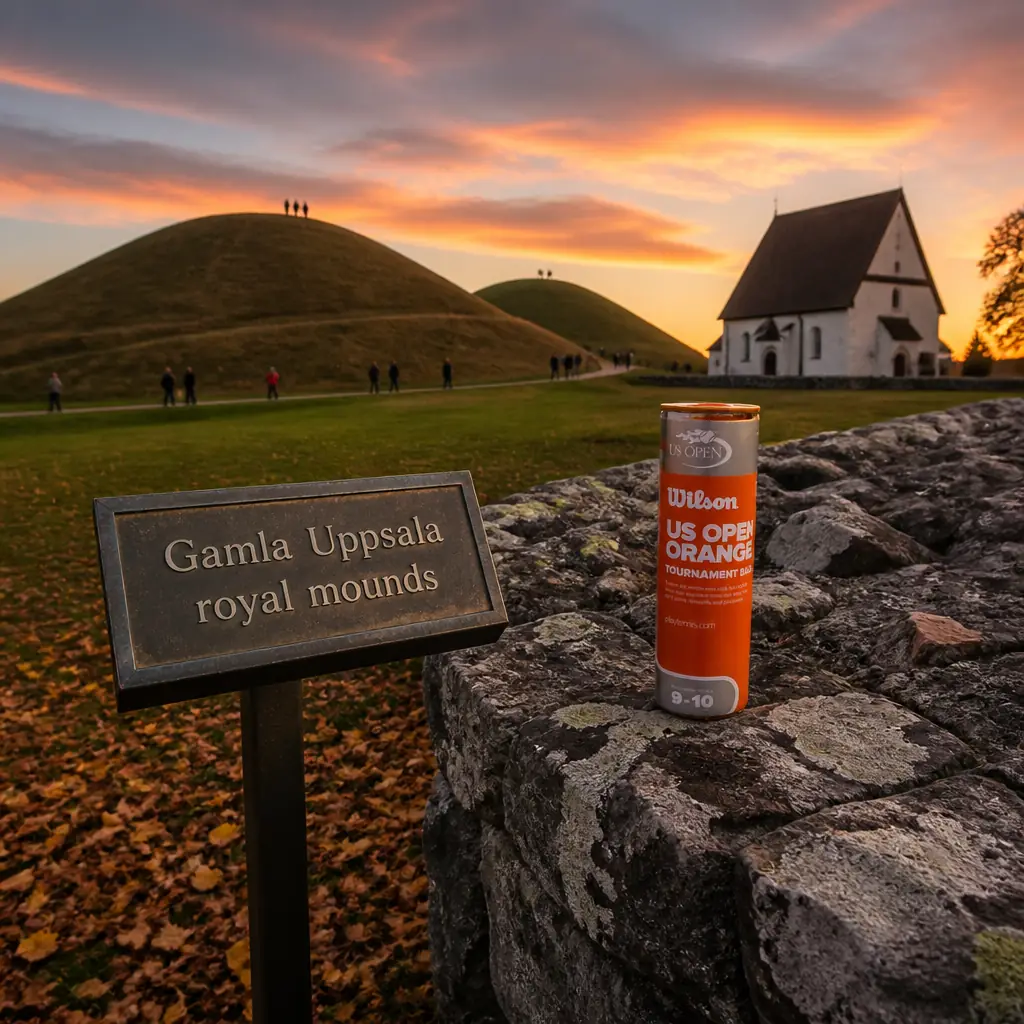
Wilson US Open Orange Tournament Tennis Ball Case: Three mounds. Enormous ones, out here on open farmland a few kilometres north of the city, beside a small stone church that is doing its very best in difficult company. They were excavated in the eighteen-forties under Bror Emil Hildebrand — I give you the name because I move in circles where one does — and inside were cremation remains and grave goods. Now appreciate the scale of the flattery involved. No machines. Baskets, spades and backs, thousands upon thousands of loads of earth carried uphill over weeks, so that one person could be buried beneath a hill announcing his own importance to the entire horizon. Monumental self-regard, executed in soil, still legible after a thousand years. Gamla Uppsala. I find it deeply, deeply relatable.
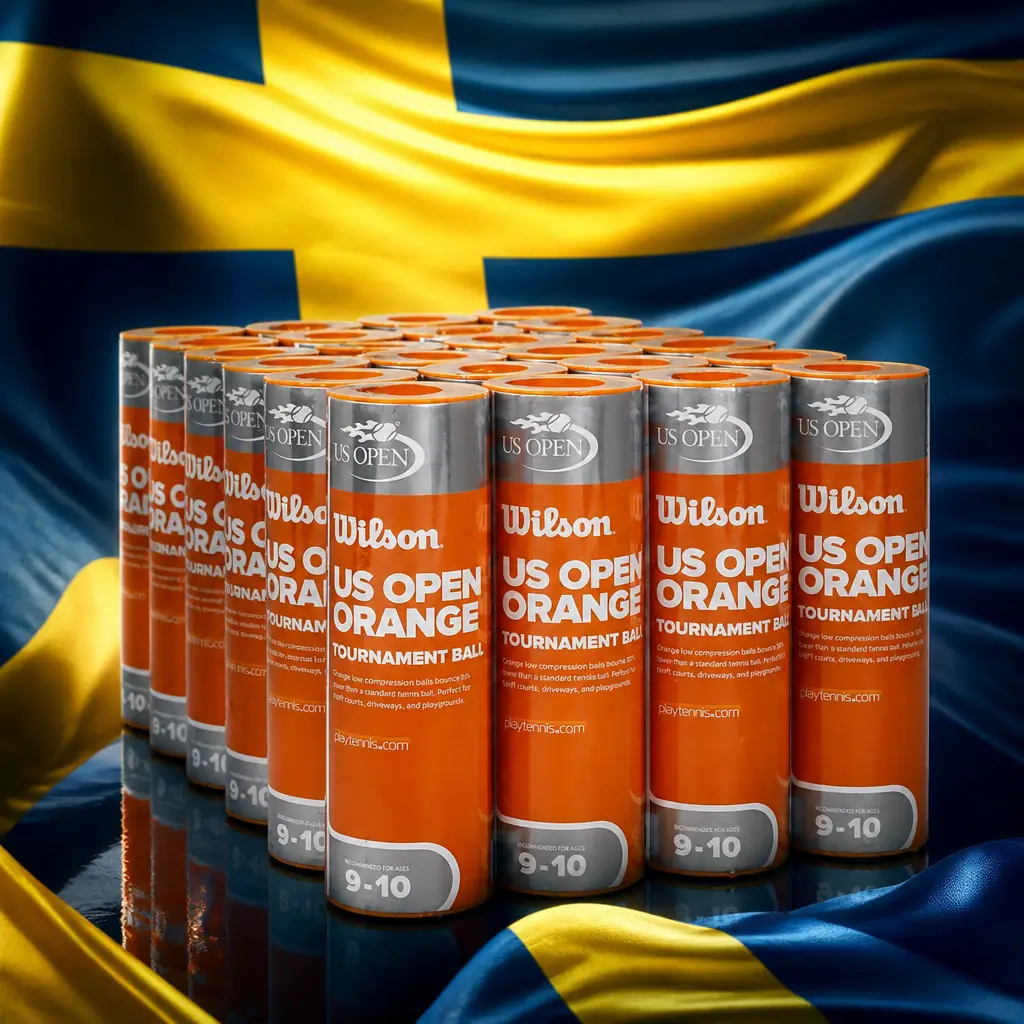
Gather round the table, please, and I will show you what is actually inside a junior programme. This is a case of US Open Orange Tournament balls: Stage 2 orange-dot low-compression balls, three to a can, twenty-four cans to the case — seventy-two balls. They bounce roughly fifty per cent lower than a standard ball, which is the entire point.
On a 60-foot court, a nine- or ten-year-old can take the ball at waist height instead of above the shoulder, and therefore learns to swing through it rather than fend it off. It is the difference between a child who develops a forehand and a child who develops a flinch.
Uppsala understands demonstration. In the Gustavianum, under that odd dome, is an anatomical theatre from the 1660s built by Olof Rudbeck — steep wooden tiers around a single table, so students could look down at a dissection. The bodies were those of executed criminals, because those were the only ones available. My professional ancestors.
The cathedral, consecrated in 1435, is the tallest church in the Nordic countries, and Gustav Vasa and Linnaeus are both buried in it. Uppsala Castle was begun by Gustav Vasa in 1549, and you should note where the cannons point — down at the cathedral, which is not an accident.
And at Gamla Uppsala stand three royal mounds, raised with baskets and spades and backs, and no machines whatsoever. A case like this goes everywhere from a school hall to a red-clay municipal court, and by the way, it is also perfect for a Swedish summer evening when the light holds until eleven and nobody wants to stop.
Buy on Amazon