01
Stop one
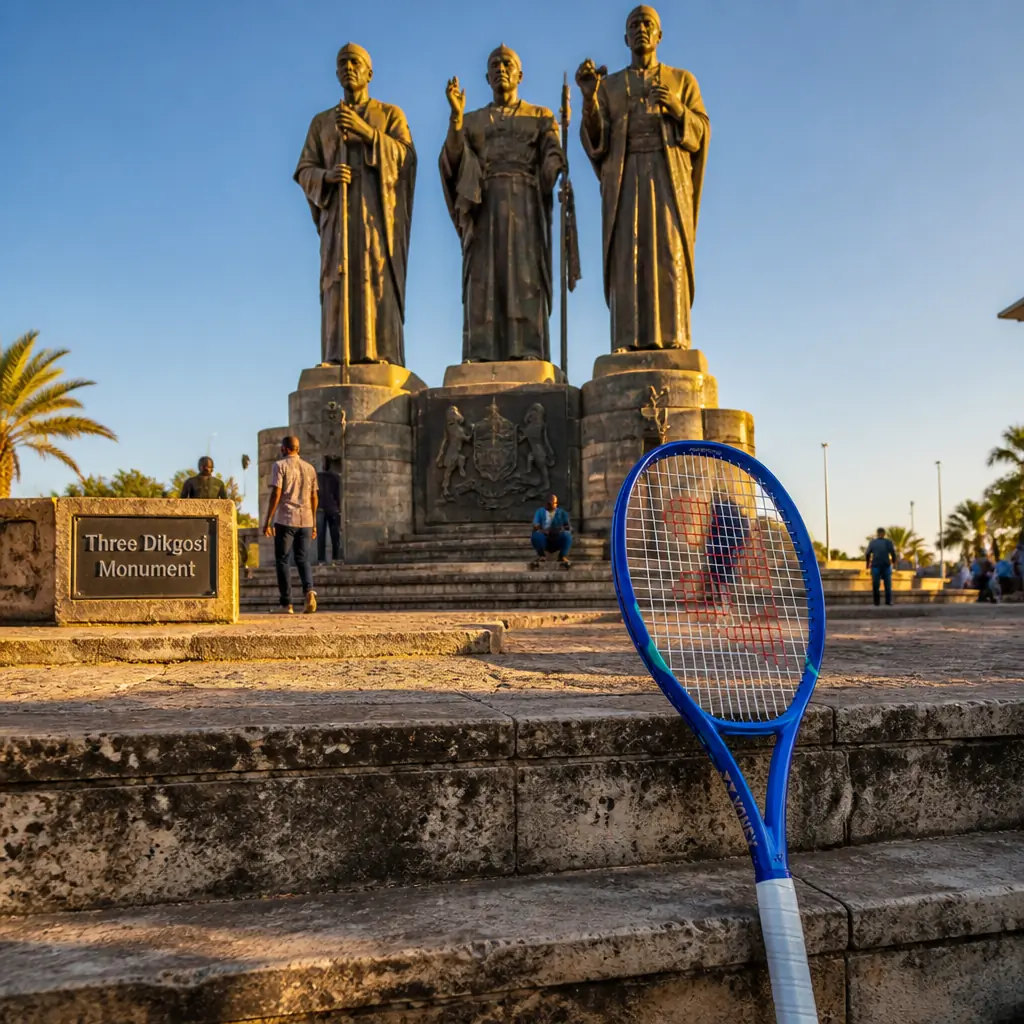
Three Dikgosi Monument
Yonex Ezone 100+ 8th Gen Tennis Racquet: I am unimpressed by roughly everything, so do pay attention on the rare occasion that I am not. Khama the Third, Sebele the First and Bathoen the First. In 1895 those three men got on a ship – a ship, across the world – and travelled to England to ask Queen Victoria to keep their land out of the hands of a mining company. Now, I have read a great many stories that open like that, and the standard ending is that the delegation is received warmly, given tea, photographed, and comprehensively robbed. Not this one. They won. They went home with the thing they went for. Three statues on a plinth, and for once the plinth is not lying. I resent how much I like this.
02
Stop two
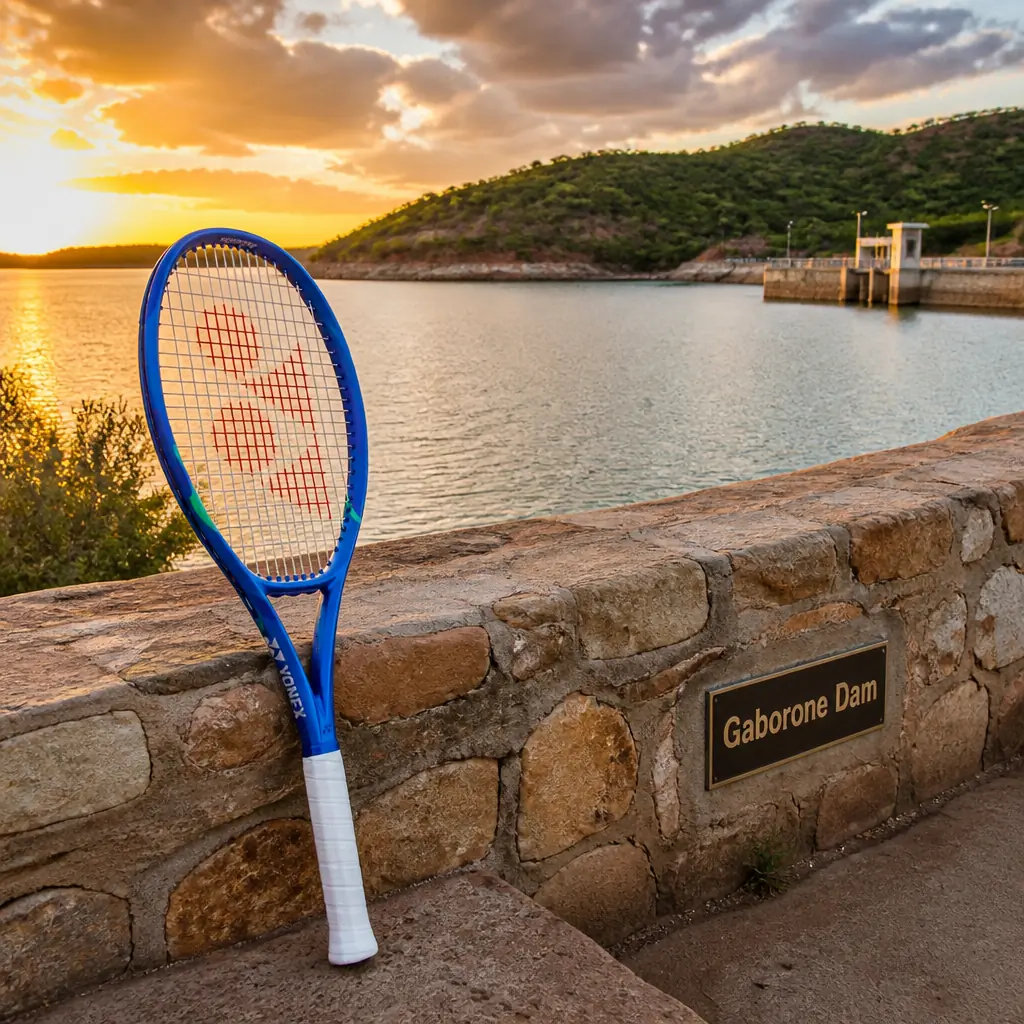
Gaborone Dam
Yonex Ezone 100+ 8th Gen Tennis Racquet: Independence arrives in 1966 and the country discovers it has no capital at all, largely because the previous administration had been run from outside the borders entirely – which tells you exactly how much thought the old management gave the place. So this site was chosen for the water. Build the dam first, then build the town beside it. And I want to be clear about how rare that is, because in my long and disappointed experience a capital is normally sited wherever somebody influential already owned a house. Here the reservoir came first and the politics moved in afterwards. Water before vanity. I have almost nothing sarcastic to add, which, for me, constitutes a crisis.
04
Stop four
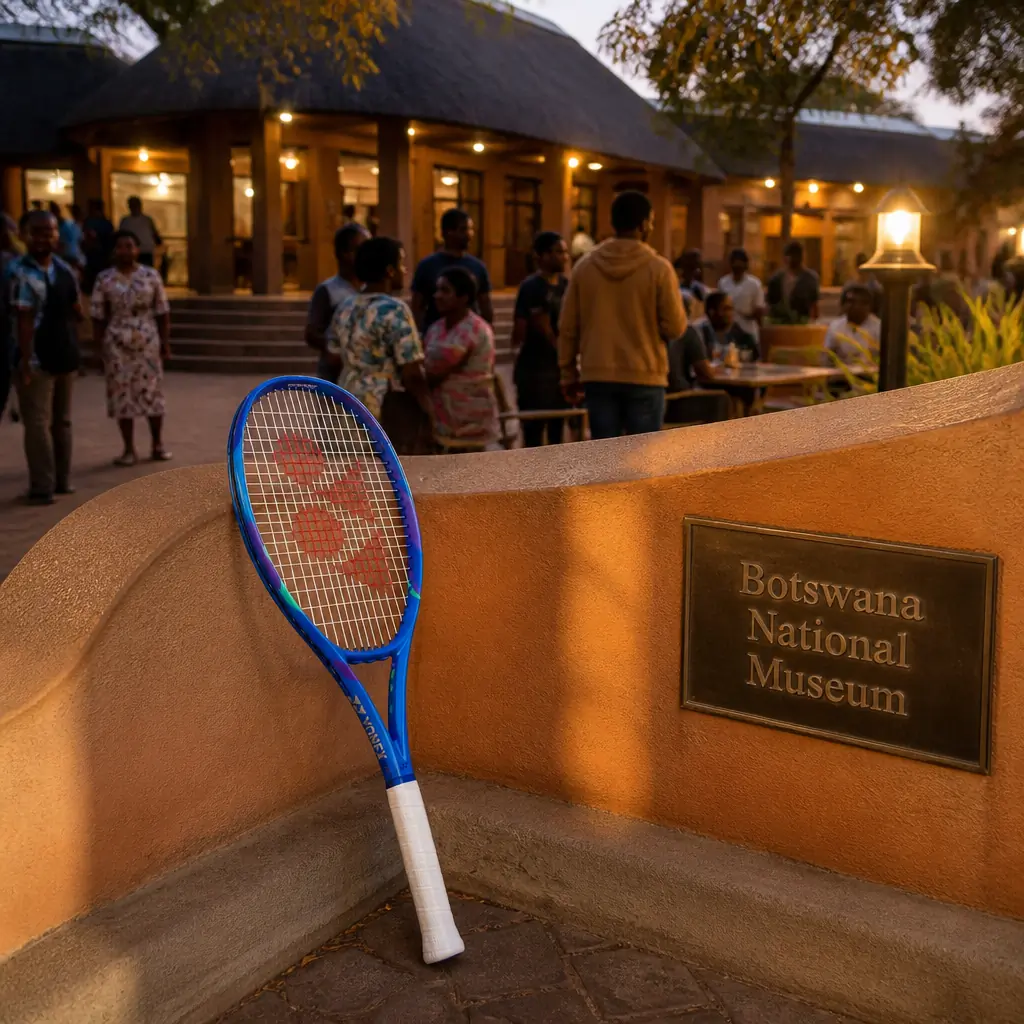
Botswana National Museum
Yonex Ezone 100+ 8th Gen Tennis Racquet: Opened in 1968, barely two years after independence – and do consider what that means, because a brand new state has a hundred urgent things to spend money on and a museum has never once been on that list. They built one anyway, in order to keep their own things, rather than continue the long-established international practice of other people keeping them. Look for the rock art material. Out in the Tsodilo Hills this country holds some of the oldest painted rock anywhere in the world, thousands of years of it, made by people who were producing images while most of the empires I usually complain about had not been thought of. And now I shall say the sentence I dislike most: it was worth doing.
I spend my day deciding what half a millimetre is worth. So believe me when I say that half an inch changes a racquet. I am the plus: 27.5 inches rather than 27, a 100 square inch head, 300 grams unstrung, a 16×19 pattern. That extra half inch is leverage on the serve and reach on the wide ball, and it costs you a fraction of manoeuvrability, which is a trade I can price exactly.
Mine holds everywhere from a first serve you actually trust to a stretched forehand at the doubles alley you would otherwise have waved at. And while you are weighing that up, Gaborone will show you what a well-judged decision looks like at national scale, which is a bigger version of the same work.
Sorting is comparing, and comparing needs a standard.
Gaborone is a sorted city. It exists because somebody looked at a site, judged the water first and the politics second, built the dam and then built the capital beside it. A sorter admires that more than any monument: the value was assessed correctly before the thing was made, which is rarer than any stone I handle.
Almost everything in Gaborone was put up inside a single lifetime, on purpose, in order.
Buy on Amazon