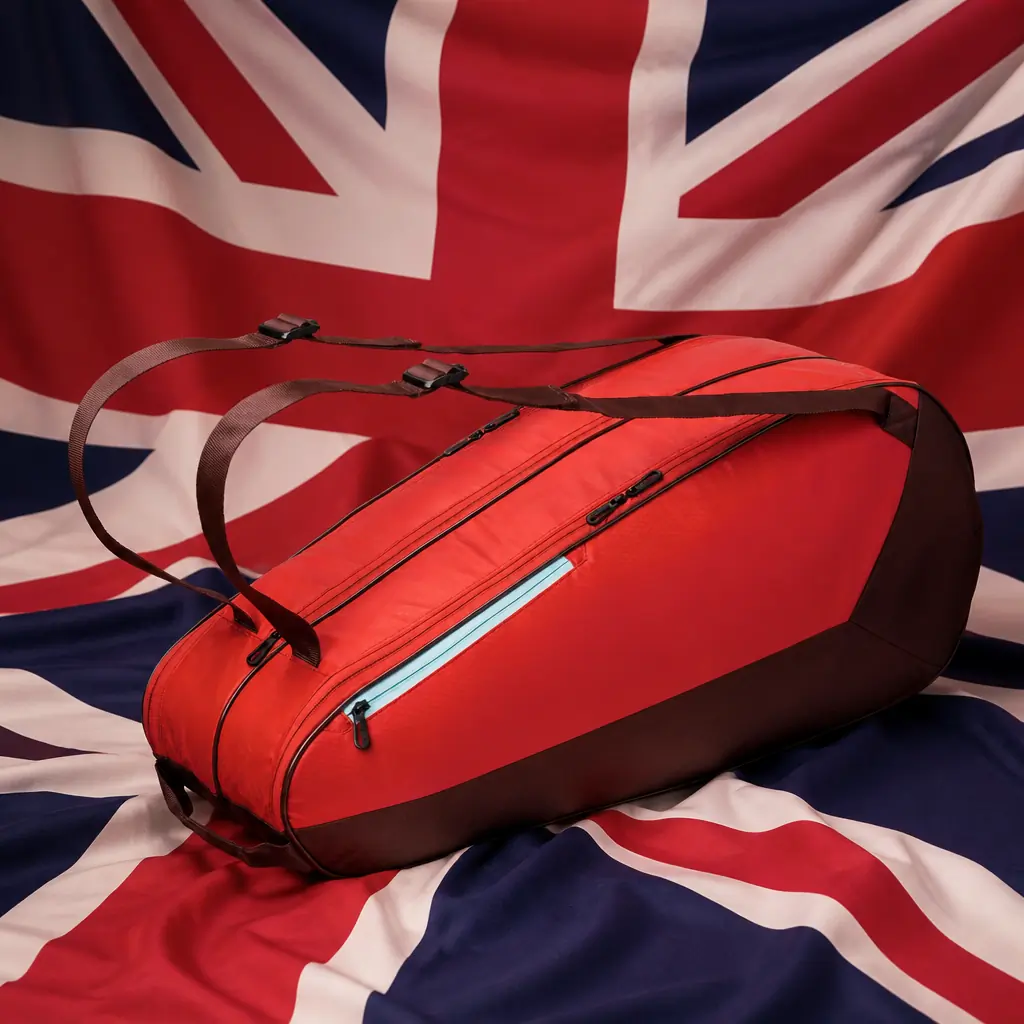
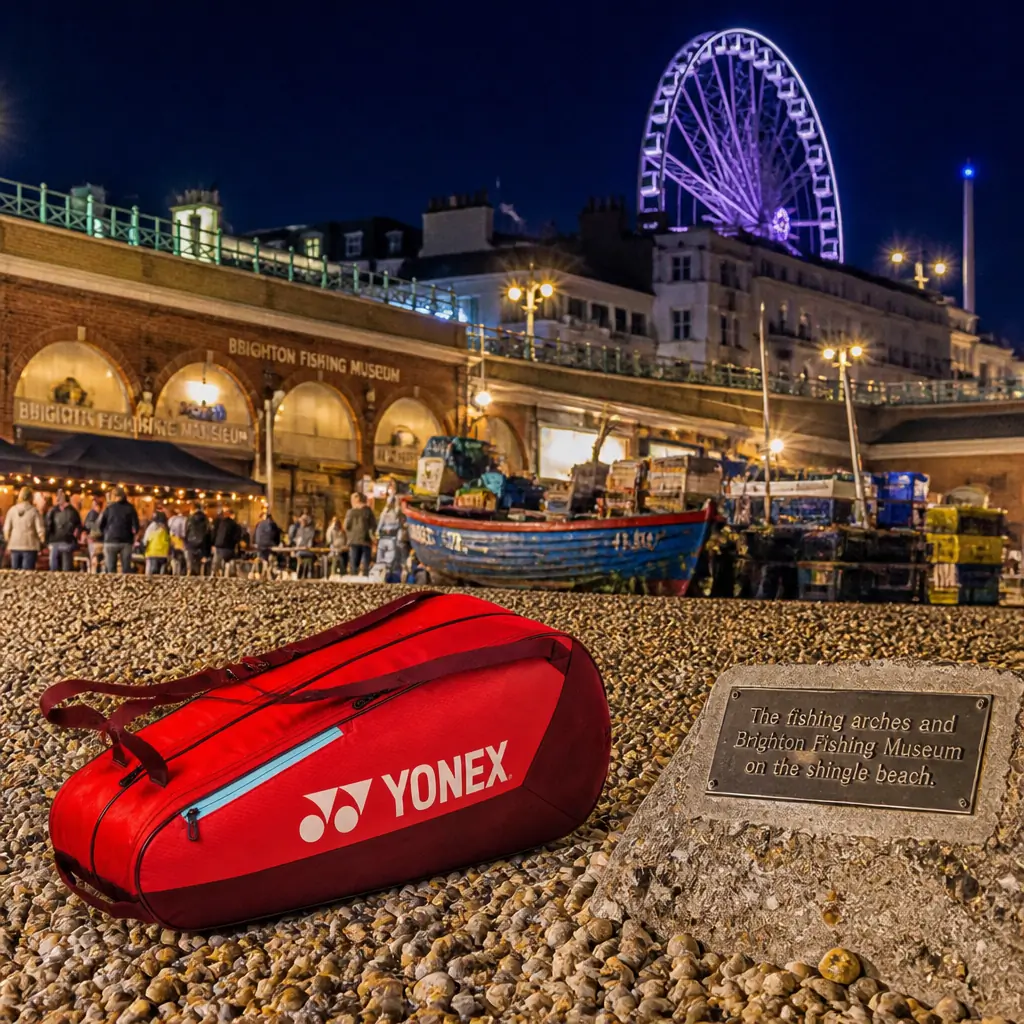
A bag is a structure, and structures are judged on how they carry load. So: six frames, which is a real load, held in a body of 100 per cent polyester with YKK zips throughout.
Two carrying systems, handles and backpack straps, which matters more than it sounds — a six-frame bag on one shoulder puts the whole load through one side of your spine, and a load path like that is a design fault, not a preference. There is a separate shoe pocket, which is a containment measure.
And it is the Team line, meaning it is built to a practical standard for people who buy in numbers and expect the thing to survive a season. Ruby red, blast blue, grey and black, or black.
Zips are joints, and YKK zips are specified here because a zip is the component that fails and takes the whole assembly with it. Straps are load paths: check where they are stitched, because a strap is only as good as the panel it is anchored to.
The things worth inspecting on any bag are the joints and the load path.
Polyester is chosen for abrasion resistance and because it dries. It is a well-arranged one, which is rarer.
It is not a complicated object.
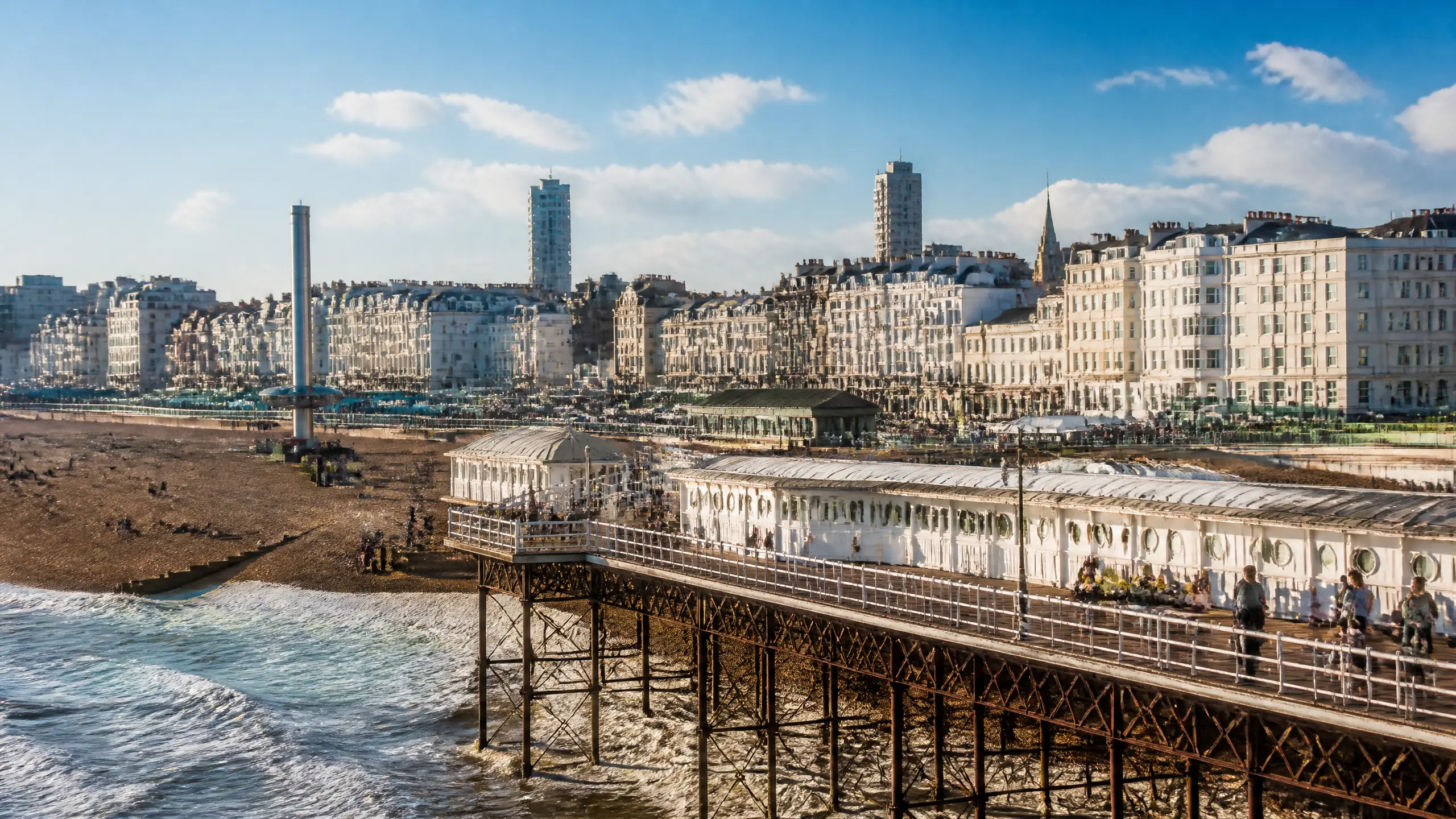
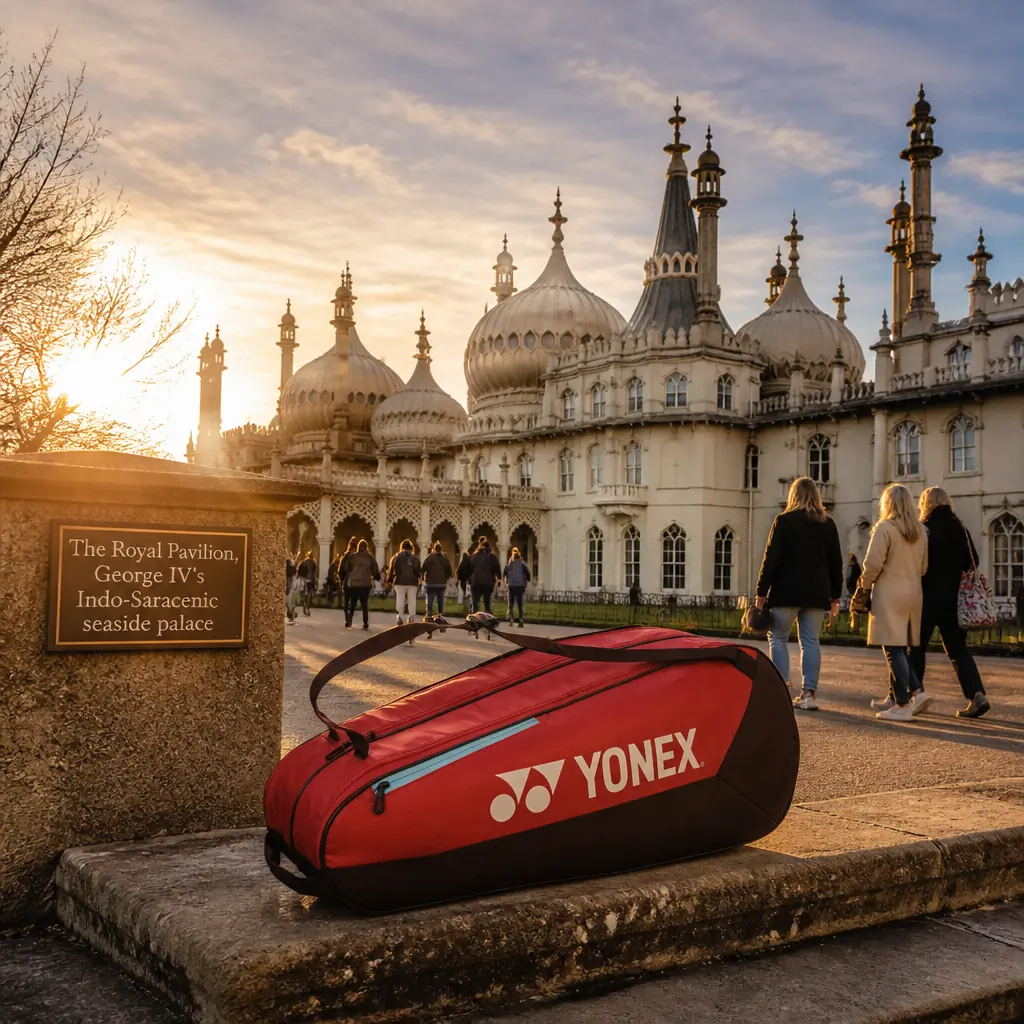
Brighton and Hove is a town I could talk about all day, and not for the reasons in the brochures. The Royal Pavilion looks like an Indian palace and is nothing of the kind underneath: the domes sit on a concealed cast-iron frame, and there are cast-iron columns in the kitchen made to look like palm trees. Iron doing the work, decoration doing the talking. And then the piers.
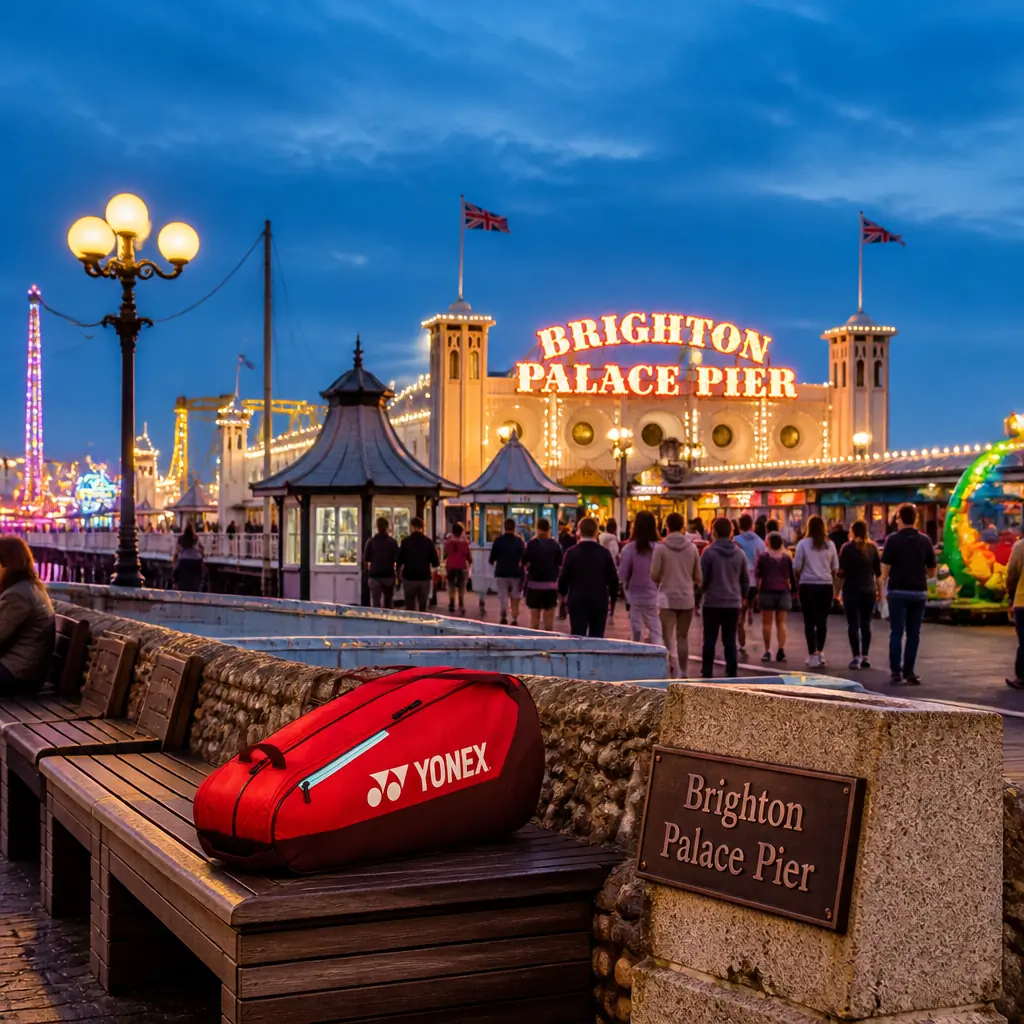
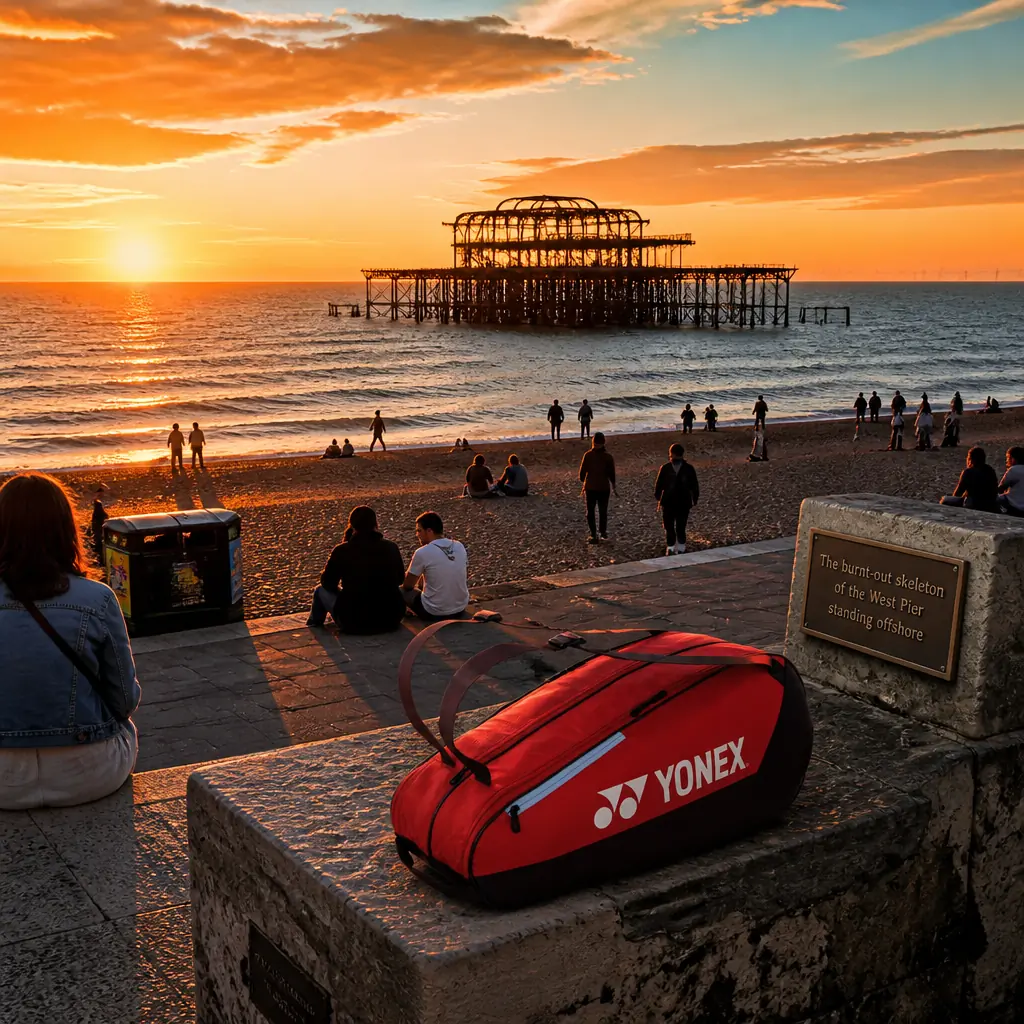
A pier is a building on legs standing in salt water, which is the most hostile structural environment there is. One of them, the Palace Pier, is still open. The other is out there as a burnt skeleton, and you can read the whole failure sequence in what is left of it. I find that genuinely moving.
Iron is doing the work and the plasterwork is taking the credit. That is most buildings, and most bags.
Buy on Amazon