01
Stop one
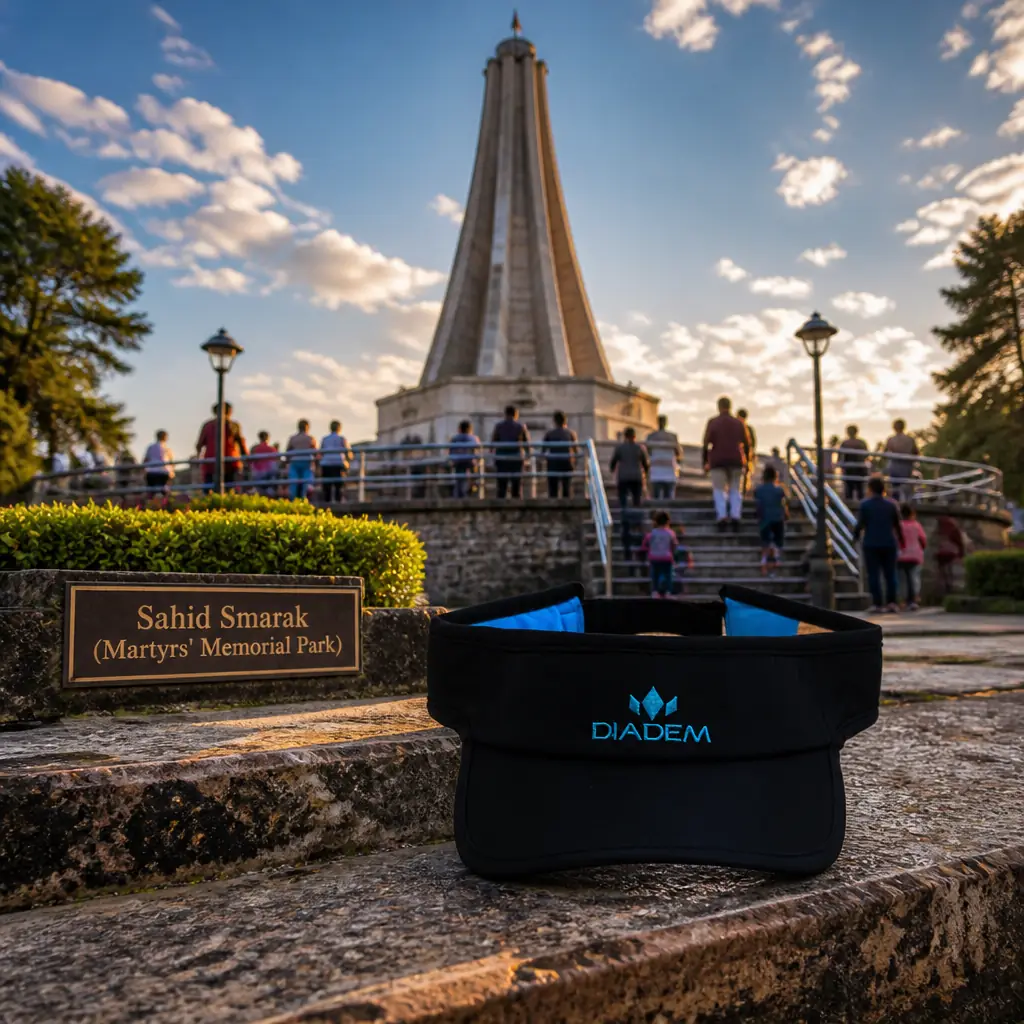
Sahid Smarak (Martyrs' Memorial Park)
Diadem Select Tennis Visor: Sahid Smarak, the Martyrs' Memorial Park, lies about two kilometres west of the centre and is the largest memorial of its kind in Nepal. Established in 1994, it honours Nepalis who gave their lives for the country's democracy movements — those who resisted autocratic rule in earlier generations, and the activists of the 1990 uprising that ended the Panchayat system. The centrepiece is a memorial stone carved with the faces of thirteen martyrs, set among gardens that also hold a mini zoo, a play area, picnic grounds and a pool, with the Madan Batika grove dedicated to Madan Bhandari. I will not be putting a figure on any of it.
02
Stop two
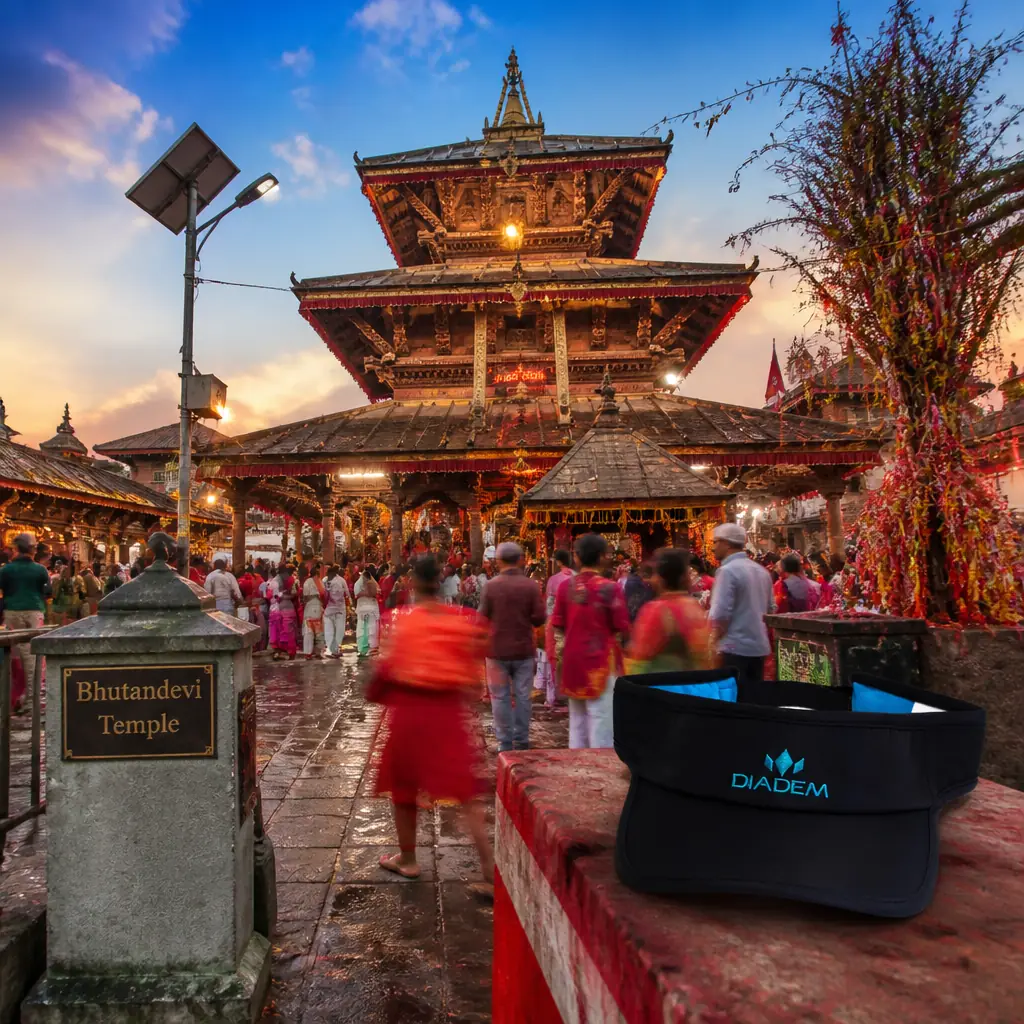
Bhutandevi Temple
Diadem Select Tennis Visor: I keep the sun off a face for the price of a sandwich, and this shrine has covered a whole region for centuries, so let us discuss return. Bhutandevi is the principal Hindu temple of Hetauda, traditional Nepali pagoda style with tiered roofs, dedicated to a local form of Durga. It is believed to date back several centuries and has long anchored the spiritual life of Makwanpur, serving the inner Terai and travellers crossing between plains and hills. Thousands come each year, the greatest crowds at Dashain. Protection for family, harvest and safe travel — three lines covered by one outlay.
03
Stop three
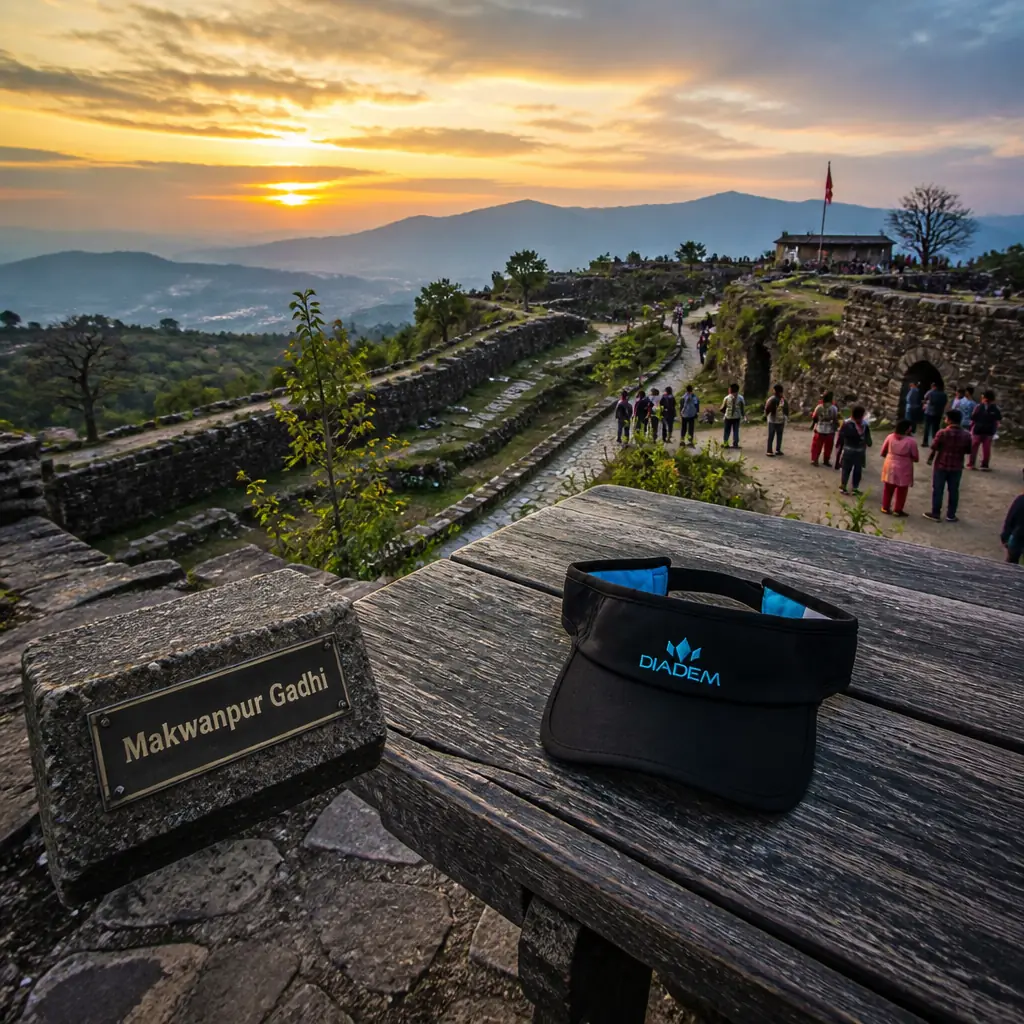
Makwanpur Gadhi
Diadem Select Tennis Visor: Walls reported at twenty-five feet high and seven feet thick. Somebody paid for every foot of that, and I would dearly love to see the accounts. Makwanpur Gadhi was the stronghold of the Sen dynasty, whose kingdom controlled the routes between the Indian plains and the Kathmandu Valley — the road being the genuinely valuable asset here. Two walled castles, Mool Gadhi and Sano Gadhi. In 1762 the Gorkhali army of Prithvi Narayan Shah captured it, a decisive step in Nepal's unification, and the next year its defenders repelled a force sent by Mir Qasim, Nawab of Bengal. Two sieges, one build.
04
Stop four
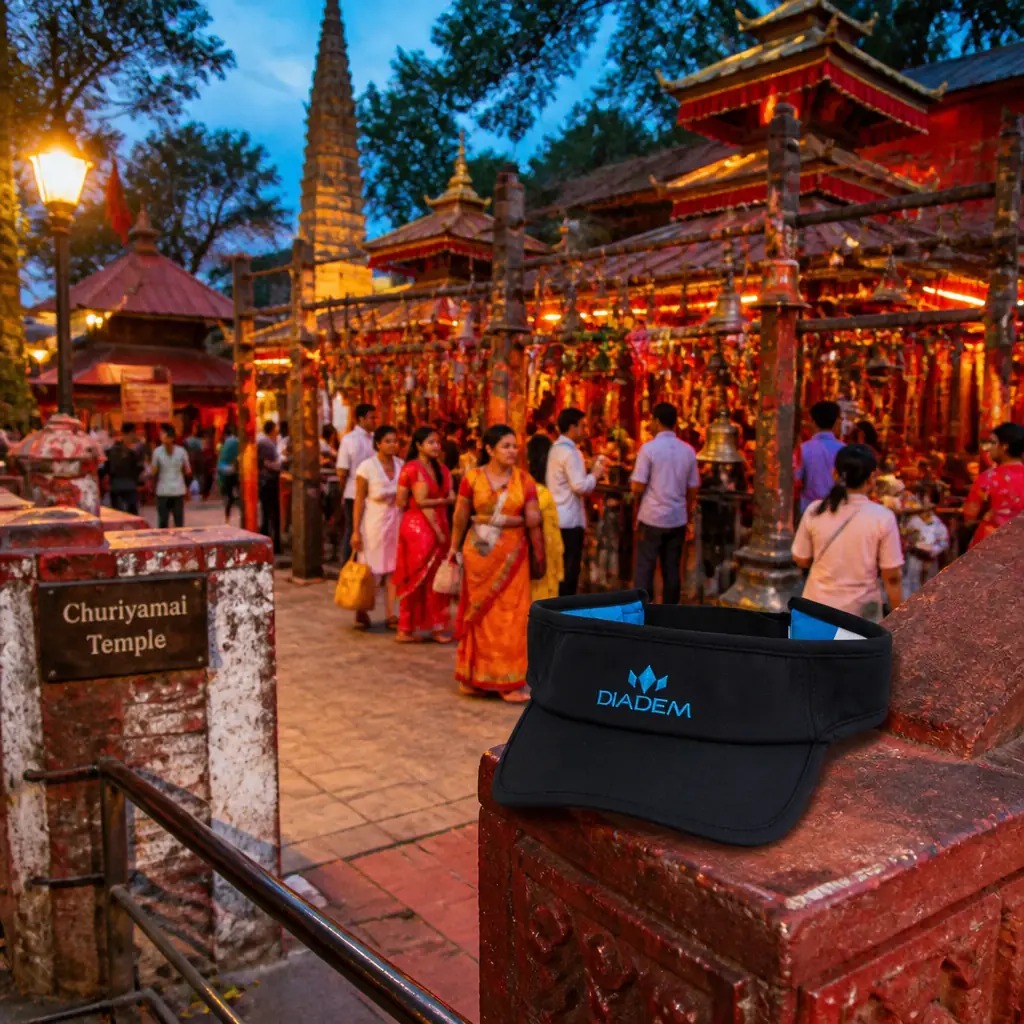
Churiyamai Temple
Diadem Select Tennis Visor: The cheapest insurance premium in Nepal is one blast of a horn. Churiyamai Temple stands on the Mahendra Highway roughly eight kilometres east of Hetauda, at the foot of the Churiya range in Makwanpur District, and honours Churiyamai, mother goddess of these hills. Drivers of trucks, buses and cars stop or sound the horn as they pass, asking protection on dangerous hill roads. The original shrine sits on the old route ahead of a tunnel; when the Tribhuvan Highway was built, a mirror image of the goddess was installed beside the new road so the custom could carry on. Relocation costs, absorbed. Bells, red cloth and offerings accumulate year-round, with crowds on Saturdays.
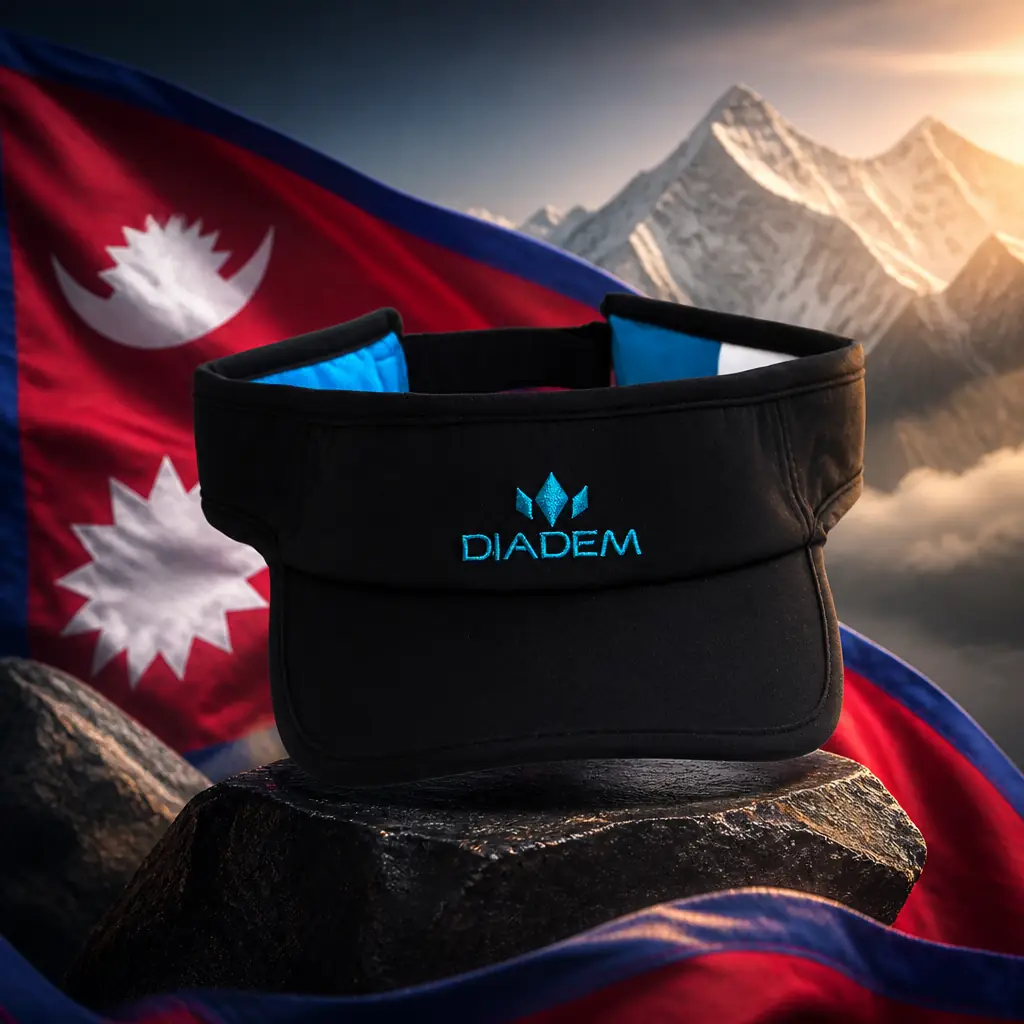
A visor is a simple object and this one is honest about it. The Diadem Select is 100% polyester with Diadem's DryCore moisture-wicking treatment, a curved brim to keep the sun off your eyes, and soft thin mesh padding on the inside of the band so it does not saw at your forehead over three sets. One size, adjusted by a Velcro strap at the back. It comes in four colourways; this is the black.
The point of an open-topped visor rather than a cap is heat: the crown of your head is where you dump it, and a cap traps it. In Hetauda, at 345 metres in the inner Terai with the Chure hills on one side and the midhills on the other, summer runs to about 35°C and the monsoon dumps around 2,385mm of rain a year — nearly 684mm of it in July alone. That is a climate that will find out whether your headwear breathes.
You will use this everywhere from the courts near the Industrial District to a long hot afternoon at Makwanpur Gadhi, and by the way — it is also perfect for a town where the correct way to spend an afternoon is a plate of momo and a walk along the East Rapti, because it packs flat and nobody is carrying a bag for it.
Buy on Amazon