01
Stop one
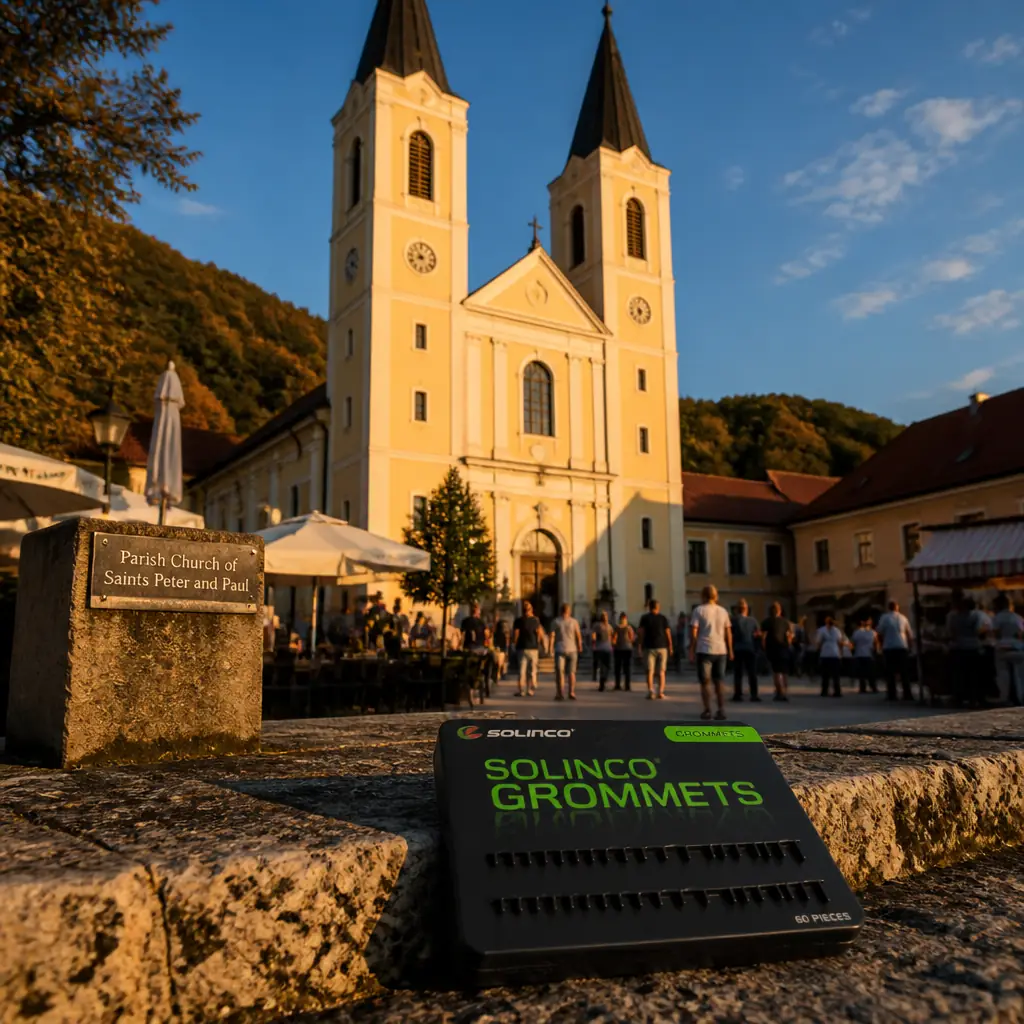
Parish Church of Saints Peter and Paul
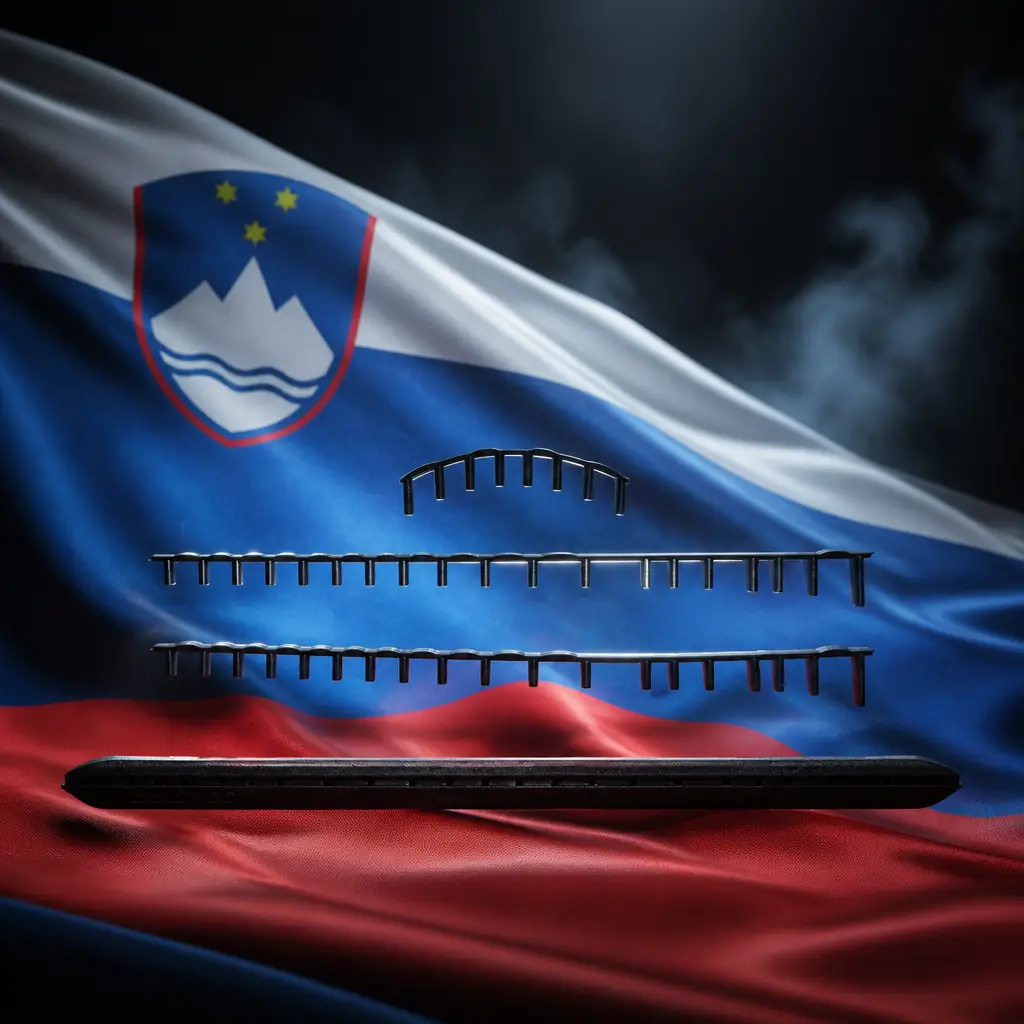
Solinco Tennis Grommets: I am a row of small holes that stops the strings cutting each other — hold that thought, it matters in a valley this narrow. Two bell towers, thirty-seven metres each, twin pale flames standing over the roofs and — no. Not flames. Towers. Built in 1872 and 1873, neo-Romanesque, richly furnished within. The scale is the whole poem: coal had poured people into the Central Sava Valley, and the small church they had before was a thimble held up to a river.
02
Stop two
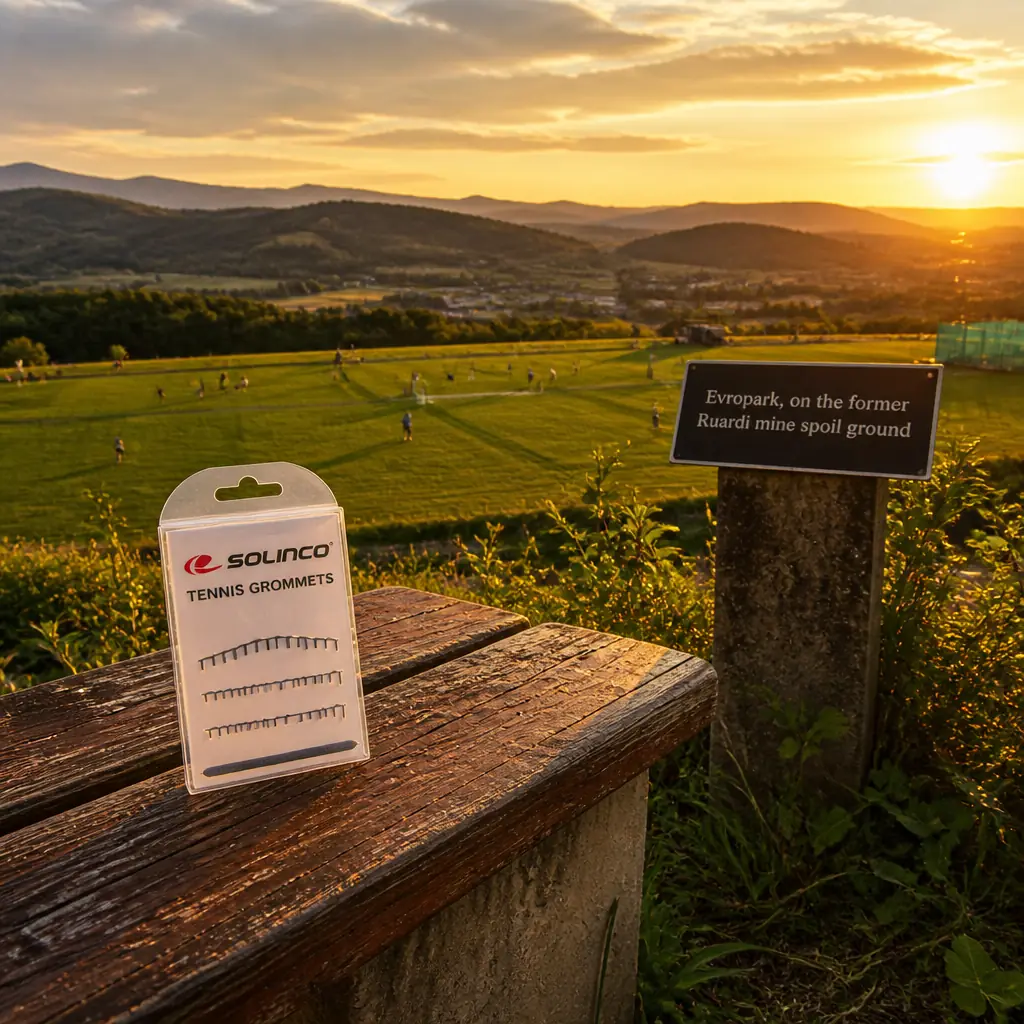
Evropark, on the former Ruardi mine spoil ground
Solinco Tennis Grommets: Flatness, in a valley like this, is a confession. You are standing on what the collieries could not use — waste rock and refuse, tipped for generations onto ground named Ruardi after Viktor Ruard, owner of Gamberk Castle and the Zagorje mines from 1840. Coal was first found here in 1755; the last mines closed in 1995. Then they planted it: airstrip, archery range, football pitch, laid over the leftovers like a scar learning to be a lawn. It became Evropark in 2004, on the eve of Slovenia entering the European Union.
03
Stop three
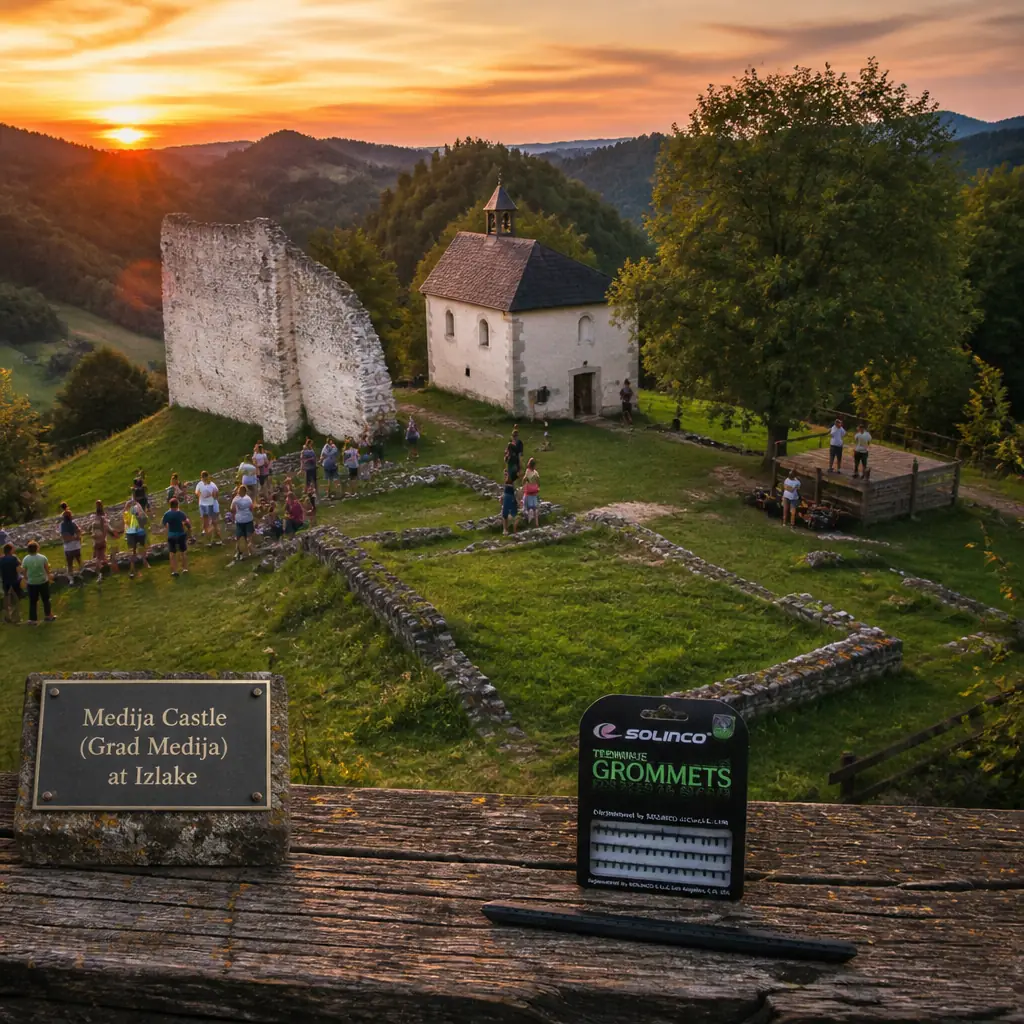
Medija Castle (Grad Medija) at Izlake
Solinco Tennis Grommets: A wall, a chapel, and grass where a house used to think. Medija was the manor where Janez Vajkard Valvasor — polymath, author of The Glory of the Duchy of Carniola — spent his childhood, which is a strange thing to stand inside: the boyhood of a book. The castle and its stables were destroyed by partisans in about 1944; the chapel and part of the wall came through. The Medija stream still runs past, a tributary of the Sava, going about its business east towards Izlake.
04
Stop four
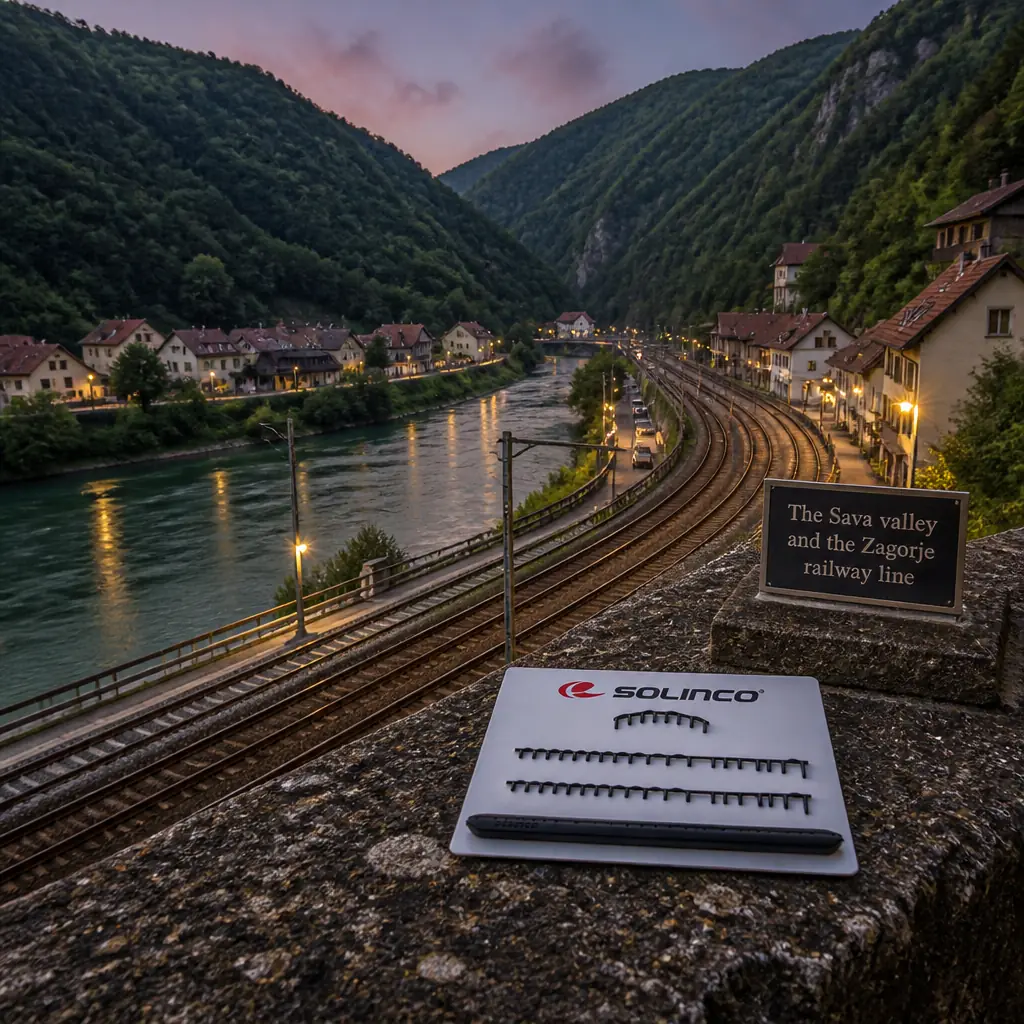
The Sava valley and the Zagorje railway line
Solinco Tennis Grommets: A valley threaded like a racquet head — one line for the rail, one for the road, no slack anywhere. The Austrian Southern Railway drove through this gorge from Zidani Most to Ljubljana, opening the section in 1849, and handed the Zasavje coalfield both Vienna and Trieste. Before that the coal was treasure nobody could carry: Franz Reigersfeldt began working brown coal in the Pešenk hill in 1755, and Baron Pillich, Baron Winterhofen and Jožef Klinc were each beaten by the cost of hauling it out. Leopold Ruard opened his mine in 1795 and simply burned it where it lay, in his own smelter and glassworks.
Oh — you noticed me? That's… that's genuinely kind. Most people don't. I'm the Solinco Tennis Grommets set, and I've made a career out of not being the star. You came in looking for a racquet, maybe strings — the leads, the names above the title. But let me tell you how this production actually works: every one of those glamorous strings passes through ME.
I'm the replacement grommet and bumper guard set for Solinco frames — the little plastic channels lining every hole in the hoop, plus the bumper that takes the scrapes when the racquet kisses the court. Without me, string grinds on bare graphite and snaps mid-scene.
With me — fresh, unworn, properly seated — the strings glide, the frame stays protected, tension distributes clean. When your grommets crack or wear through, you replace them at your next restring. No applause necessary. The work is the reward. (A little applause is fine.)
My hometown understands the supporting role better than anywhere: Zagorje ob Savi, Slovenia, a town built by coal miners — the people who worked unseen underground for 240 years, from the first coal found in 1755 until the last mine closed in 1995, so that everything above ground could shine.
They even turned the old Ruardi spoil ground into Evropark, a recreation park — the ultimate second act. You'll notice me everywhere from a morning hit in the Sava valley to an evening session under the church's twin towers, and by the way, the local reward for honest work is a hearty plate of štruklji, which I endorse from the wings. Anyway — the tour. I'd love the company.
Four scenes. I know all the blocking.
Buy on Amazon