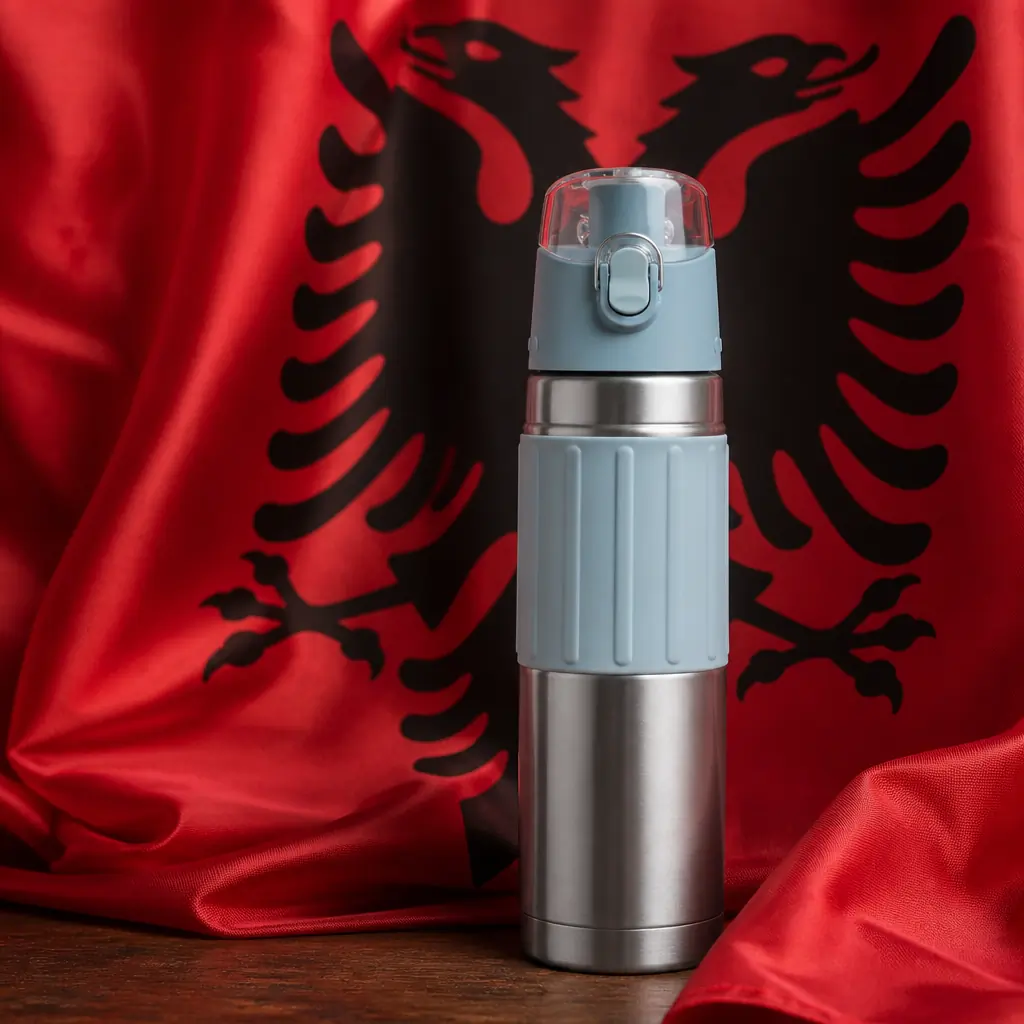
Let me tell you how this thing actually works, because the technology is a hundred years old and almost nobody can explain it, and understanding it changes what you are willing to pay for. A vacuum-insulated Thermos bottle is two walls of stainless steel with the air pulled out of the space between them. Heat moves by conduction, and conduction needs something to move through.
Take the something away and the heat has no route. There are no batteries, no chemicals, and nothing to wear out — just two walls and an argument about physics that the bottle wins all afternoon.
That is the whole invention.
What follows from that is the practical part. The outside stays dry, because there is no cold surface for the air to condense on — no puddle in the bag, no ring on the bench, no damp grip.
The stainless steel does not take on the flavour of whatever you put in it, which matters if the same bottle carries water on Tuesday and something else on Saturday, and it survives being dropped on a hard court, which is the only durability test that counts. The construction is BPA-free throughout.
And a vacuum bottle rewards a little preparation: chill it with cold water first, fill it as close to the top as it will take so there is less air inside to warm up, and keep it shut between drinks.
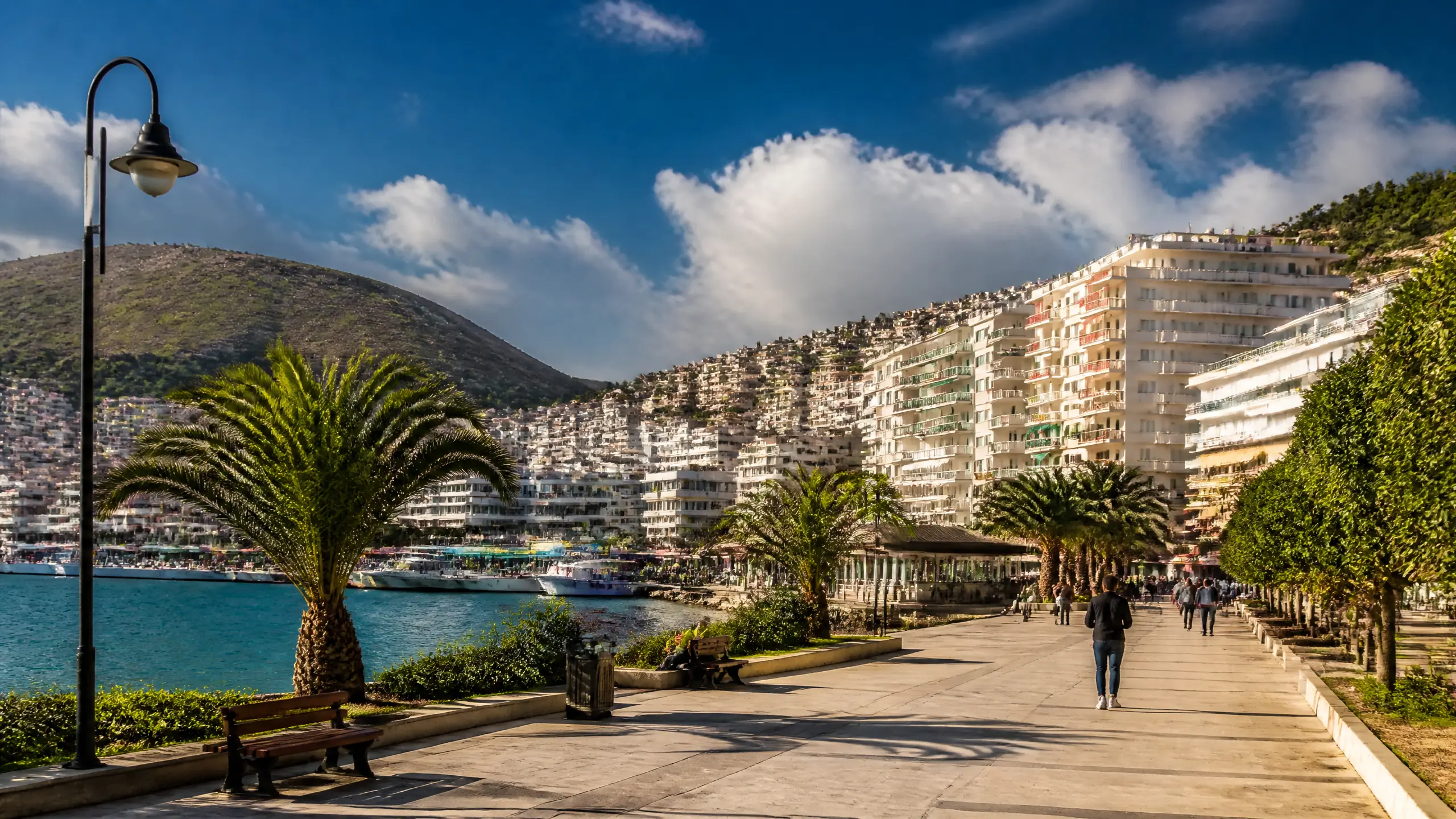
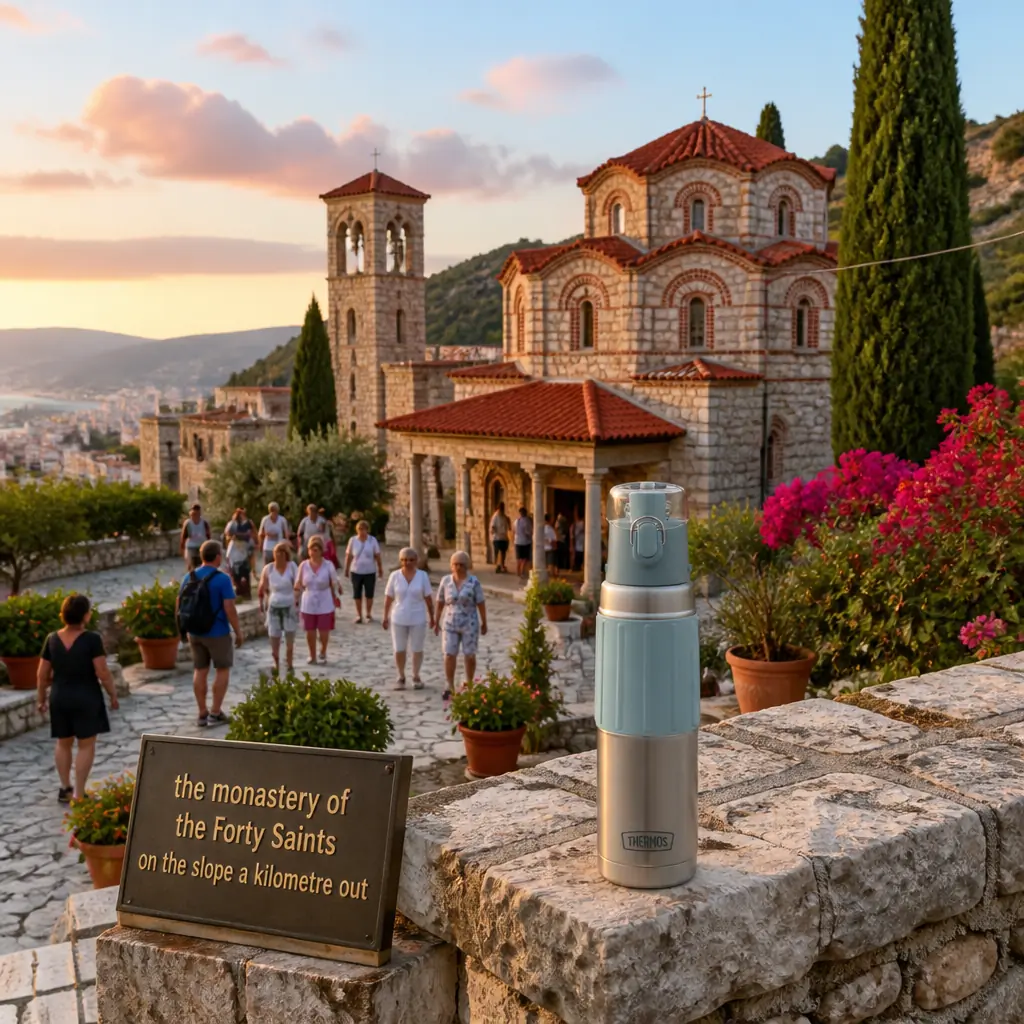
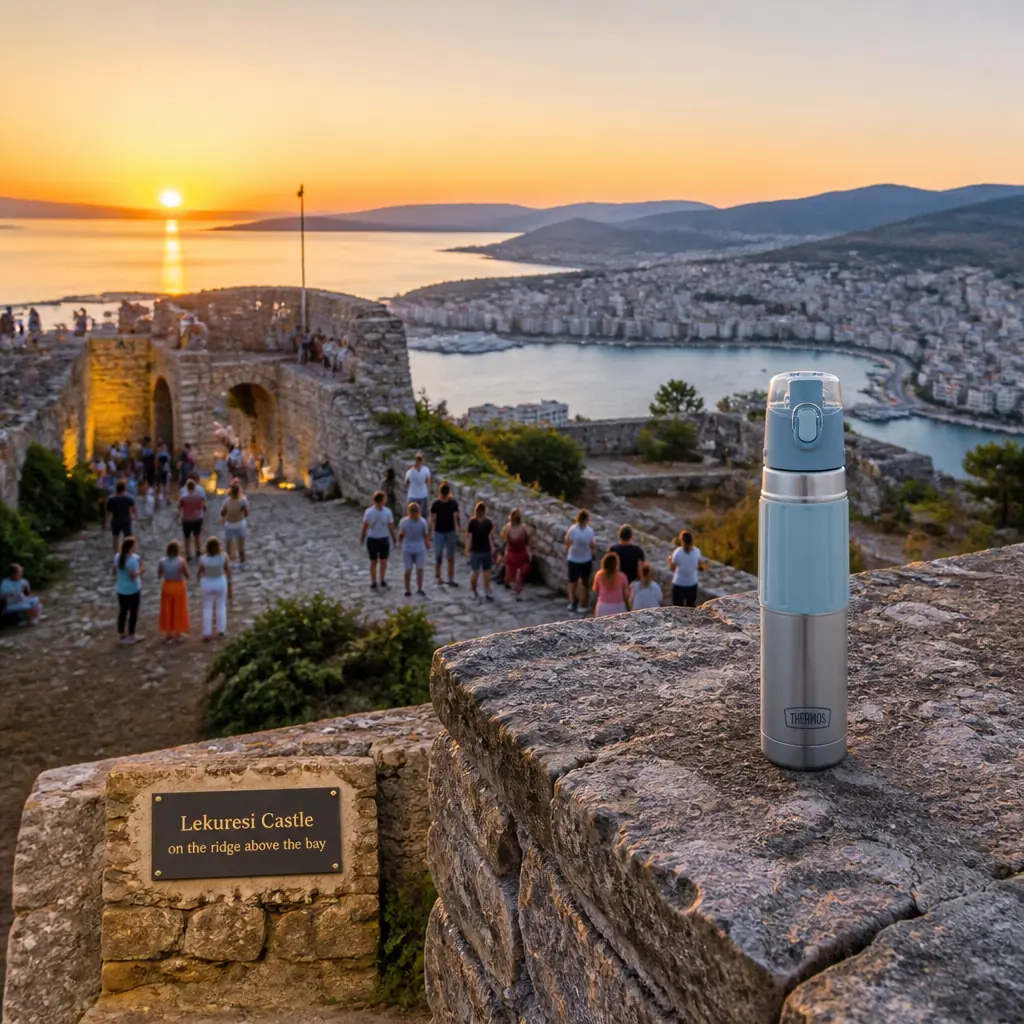
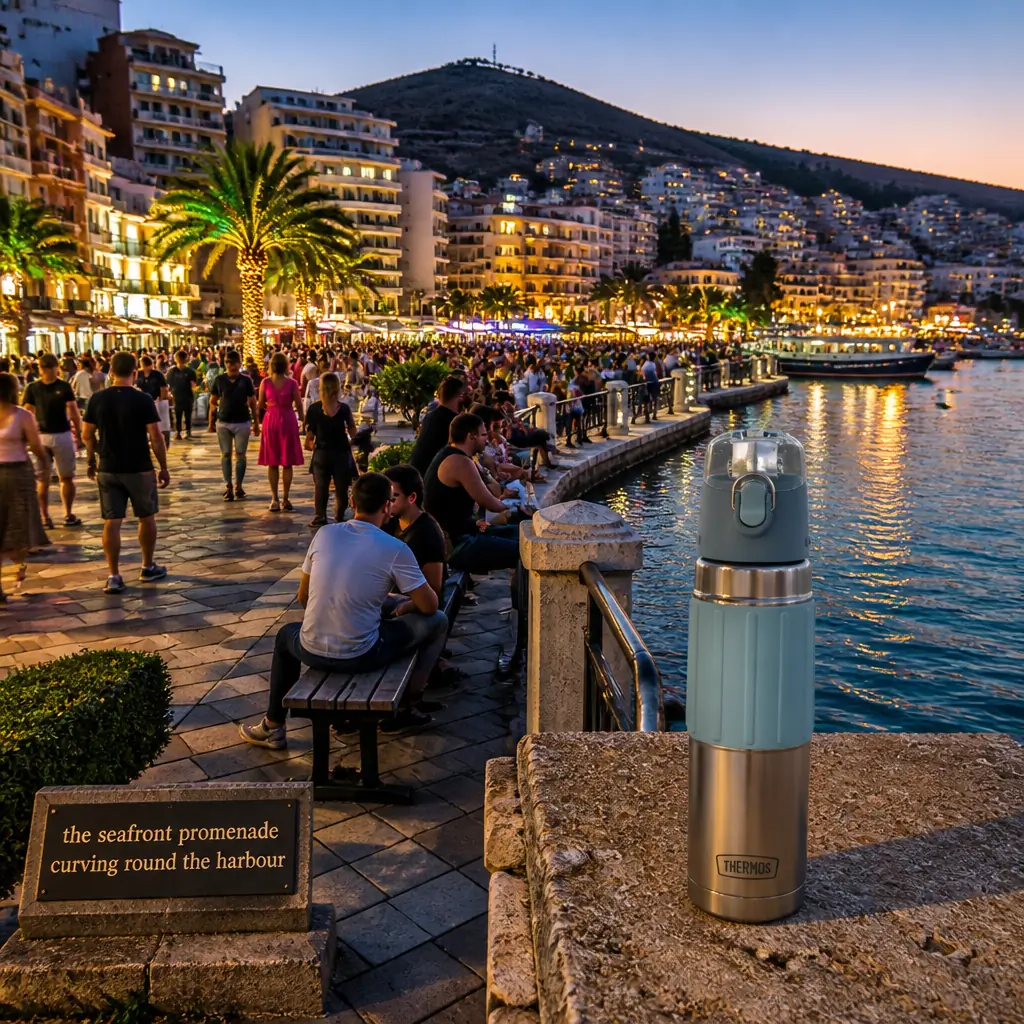
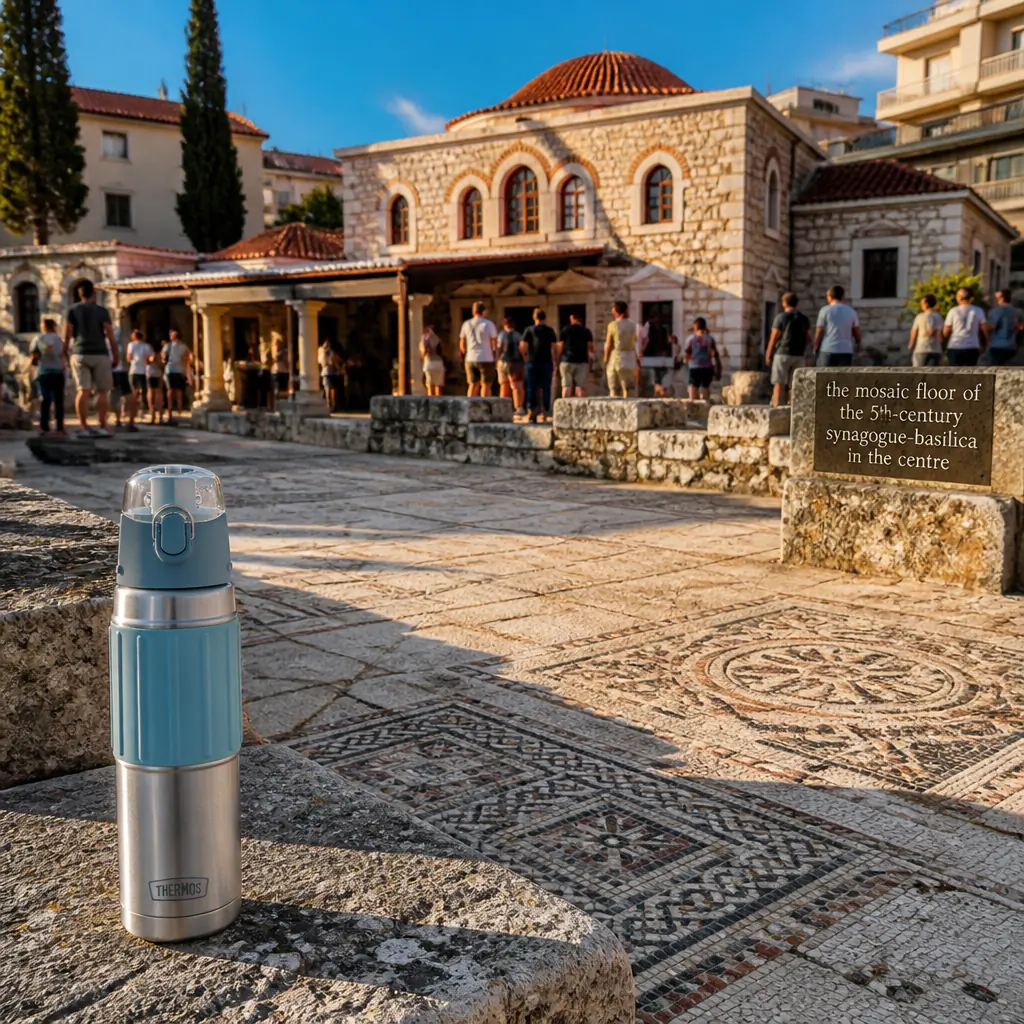
Which is a fine philosophy for Saranda, a town that has been holding its shape against pressure from outside for a very long time. There is a fifth-century mosaic floor in the middle of it, from a building that served as synagogue and basilica in turn. The monastery of the Forty Saints stands on the slope a kilometre out. Lekuresi Castle sits on the ridge watching the bay.
Layers, each one insulating the last.
Two walls, nothing between them, and the heat never gets through. That is organising.
Buy on Amazon