Moisture is the enemy. Not time, not frost, not even the roots — moisture. Everything I have seen ruined was ruined by something damp nobody dealt with in the first hour. I take a professional interest in absorbency.
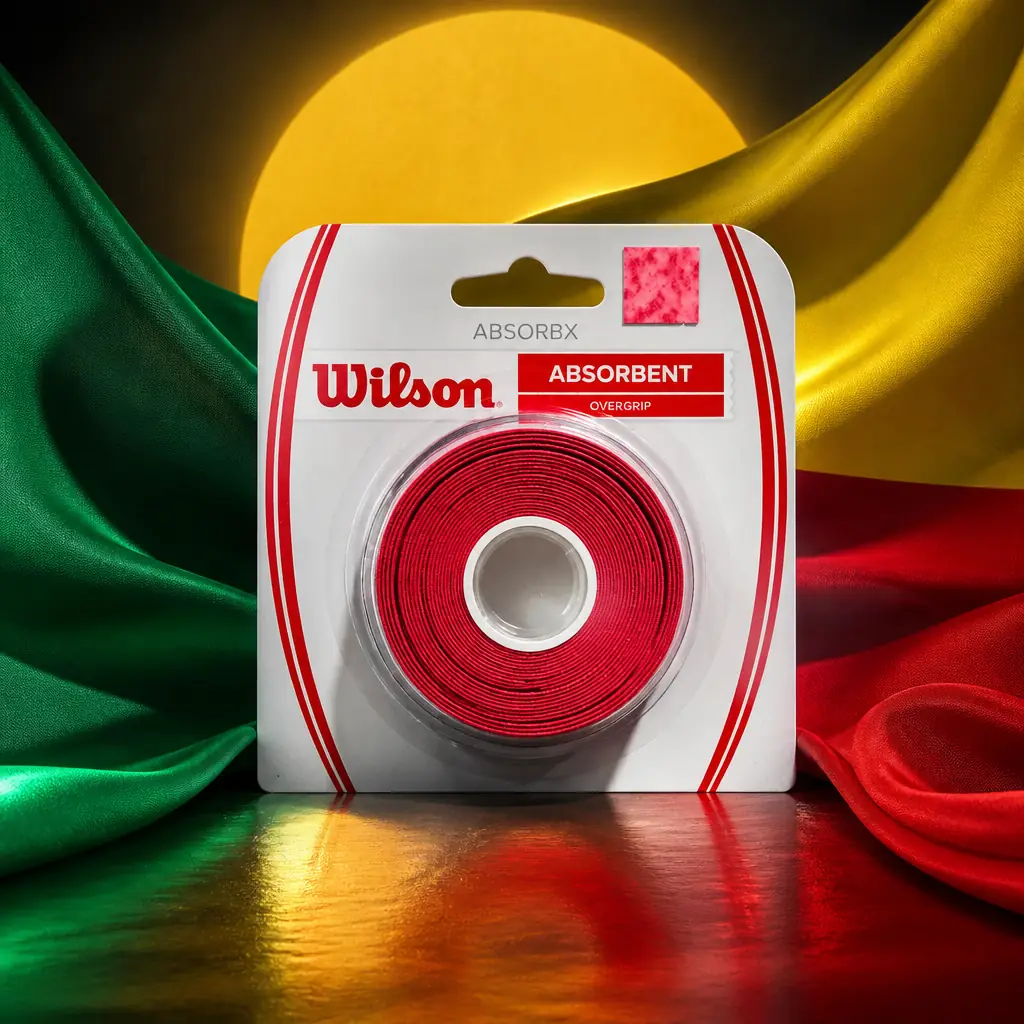
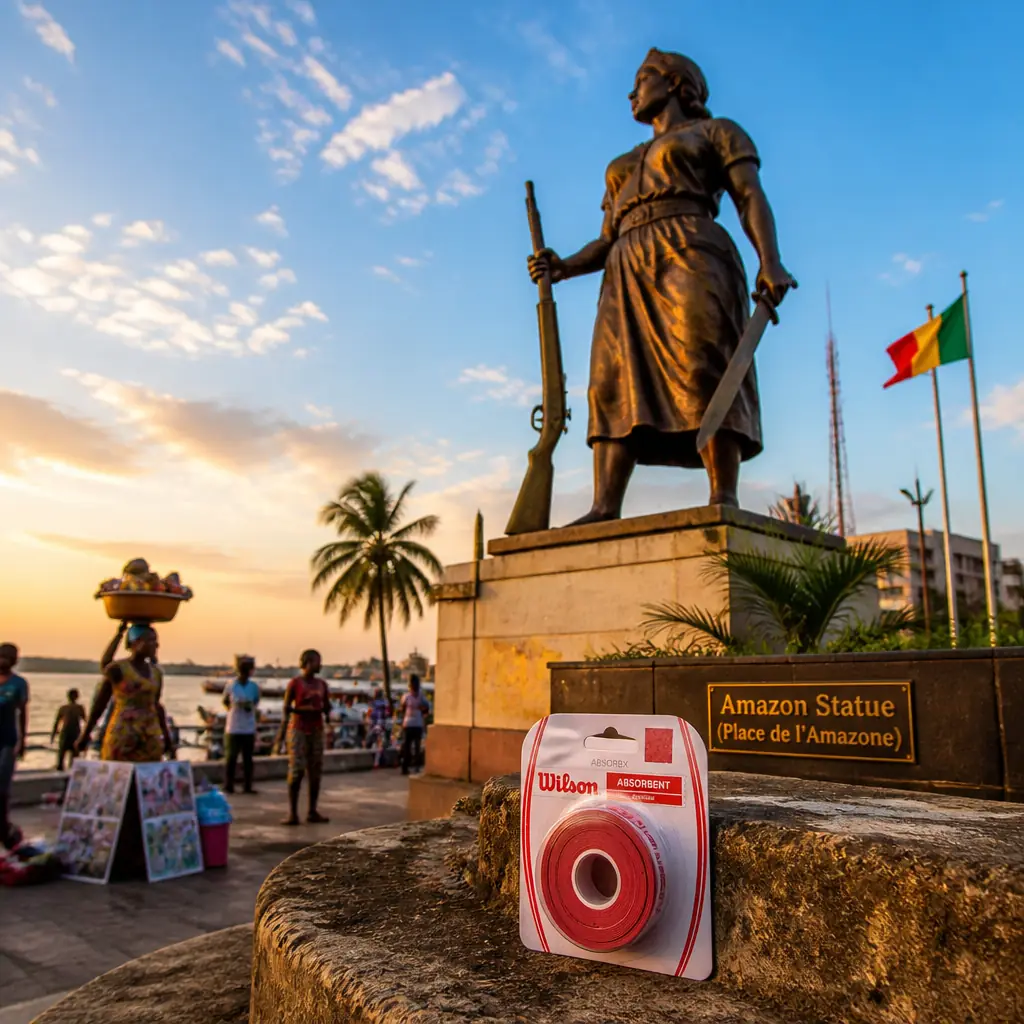
Wilson AbsorbX is the dry, absorbent style of overgrip rather than the tacky style, and the distinction is the whole point. A tacky grip clings to your skin, which is excellent until your hand floods, at which point it becomes a bar of wet soap.
An absorbent grip works by taking the moisture in and keeping the surface dry, which is what you want if you sweat heavily, play in humidity, or have ever had a racquet leave your hand on a serve. The surface has a slightly cushioned, cloth-like feel — softer under the fingers than a slick polyurethane — and it comes with finishing tape.
It earns its place everywhere from an air-conditioned indoor hall to a lagoon-side court in the wet heat of Cotonou, and it is also perfect for anyone who has quietly stopped trusting their own hands after a long third set. Wrap from the butt cap up with about a half-width overlap and steady tension.
Replace it when it stops drinking, which is well before it looks worn out; a saturated absorbent grip is worse than no grip at all.
Cotonou is built on a sandbar between the Atlantic and a lagoon, which is to say it is a city living inside the enemy, and it has my full attention.
Beside the Marina district, on a plinth, stands the Amazon: a bronze woman warrior of Dahomey, and not a myth. The kingdom fielded an all-female army corps — armed, drilled, barracked, sworn — that fought through the wars of the 1890s and did not break easily. They trained over thorn barriers, barefoot, to learn not to flinch. Look at her face. That is what a professional looks like.
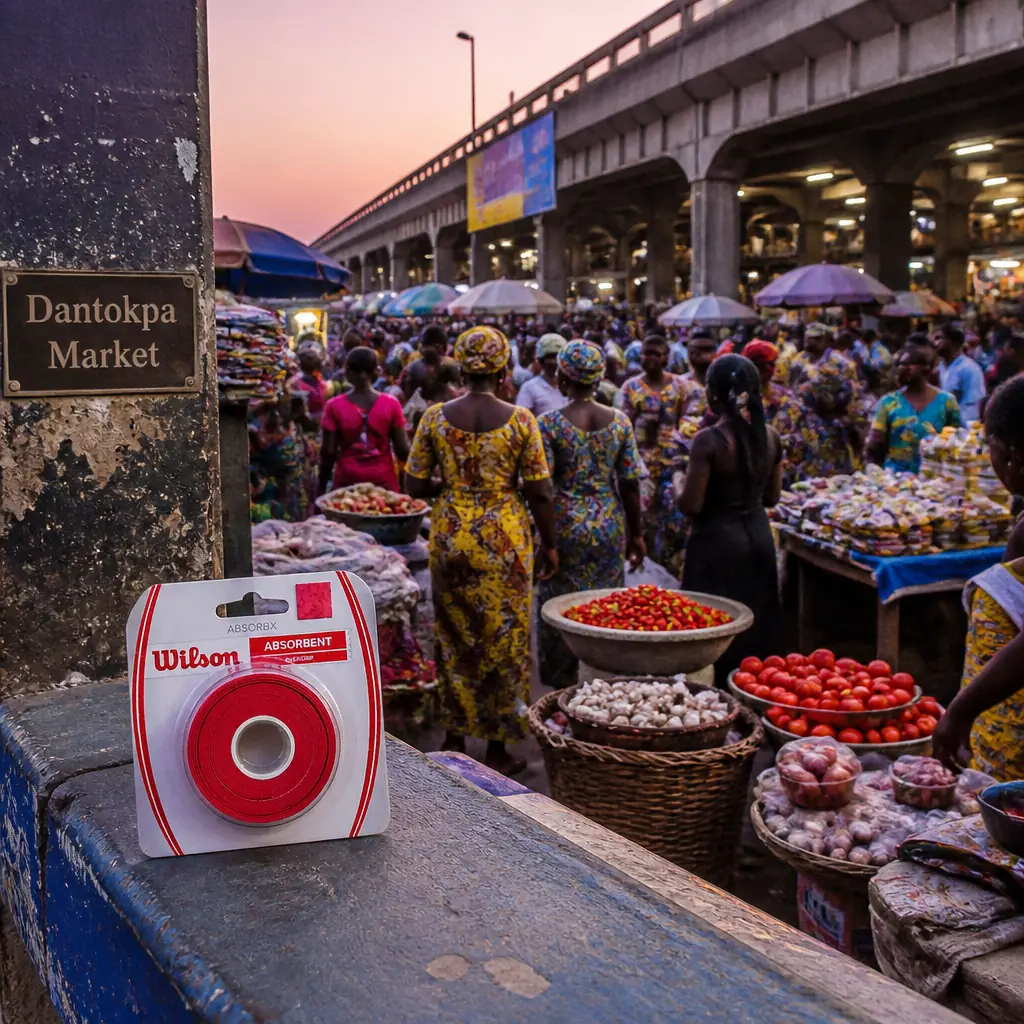
Along the lagoon and out under the Nouveau Pont sprawls Dantokpa, one of the largest markets in West Africa, moving cloth, food, medicine and hardware on a scale that is frankly a logistics operation.
It has long been run largely by women, and the greatest of the region's wholesale traders earned a nickname for it across the whole region: Nana Benz, after the cars they could afford. That is not a joke, it is a balance sheet.
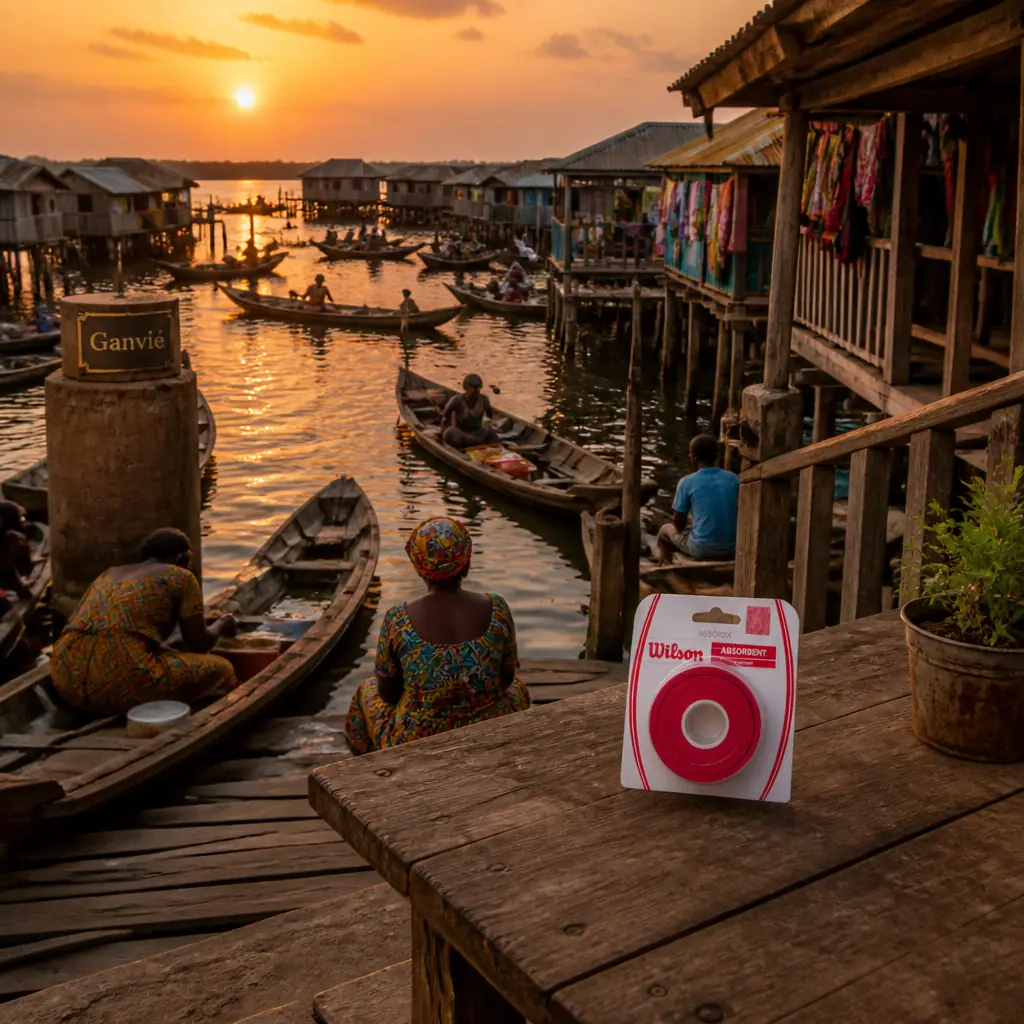
North of the city on Lake Nokoué is Ganvié, an entire village standing in the water on stilts — houses, school, the market conducted from canoes — built out there by the Tofinu because a religious prohibition stopped slave raiders following them onto the lake. They used the enemy's own rules as a wall.
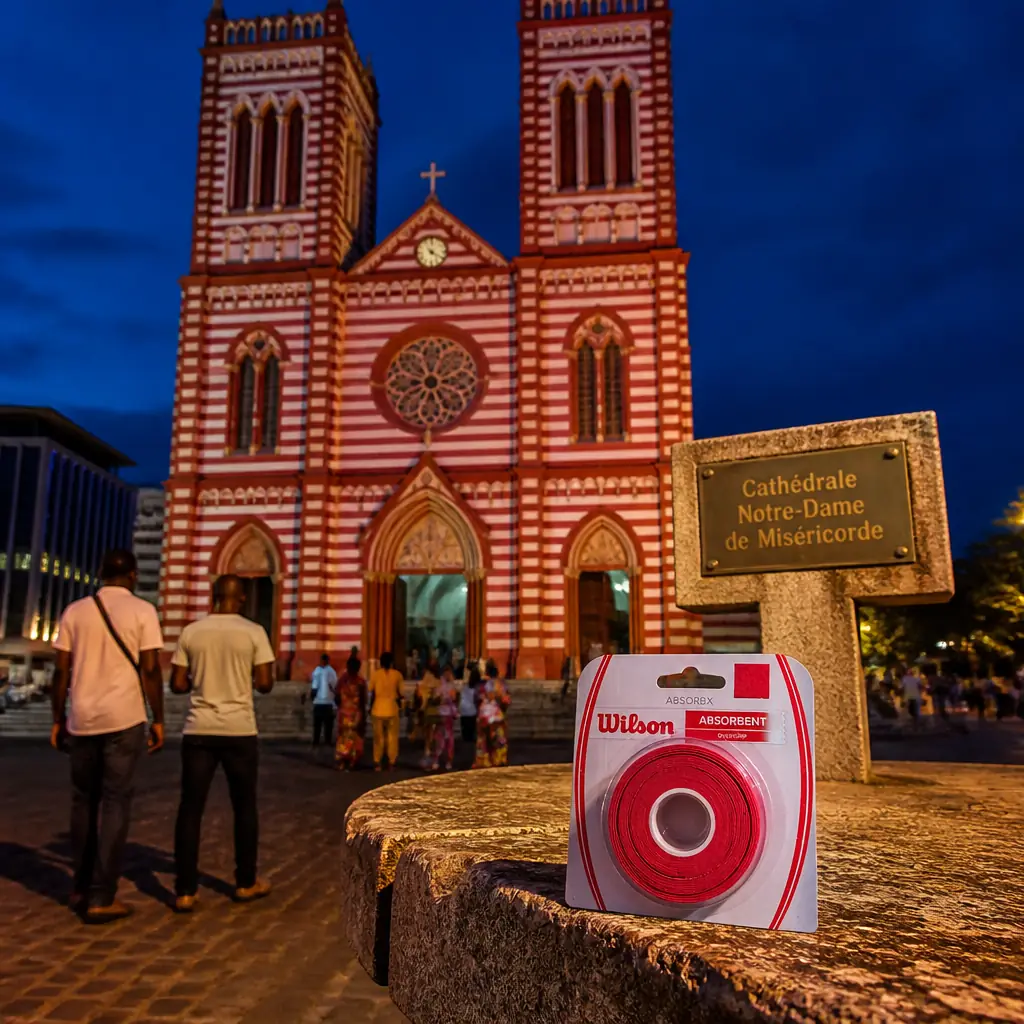
And in the centre near the port, the Cathédrale Notre-Dame de Miséricorde is impossible to lose: bold burgundy and white horizontal stripes, twin towers, deliberately loud, standing a short walk from the homeland of Vodun.
Buy on Amazon