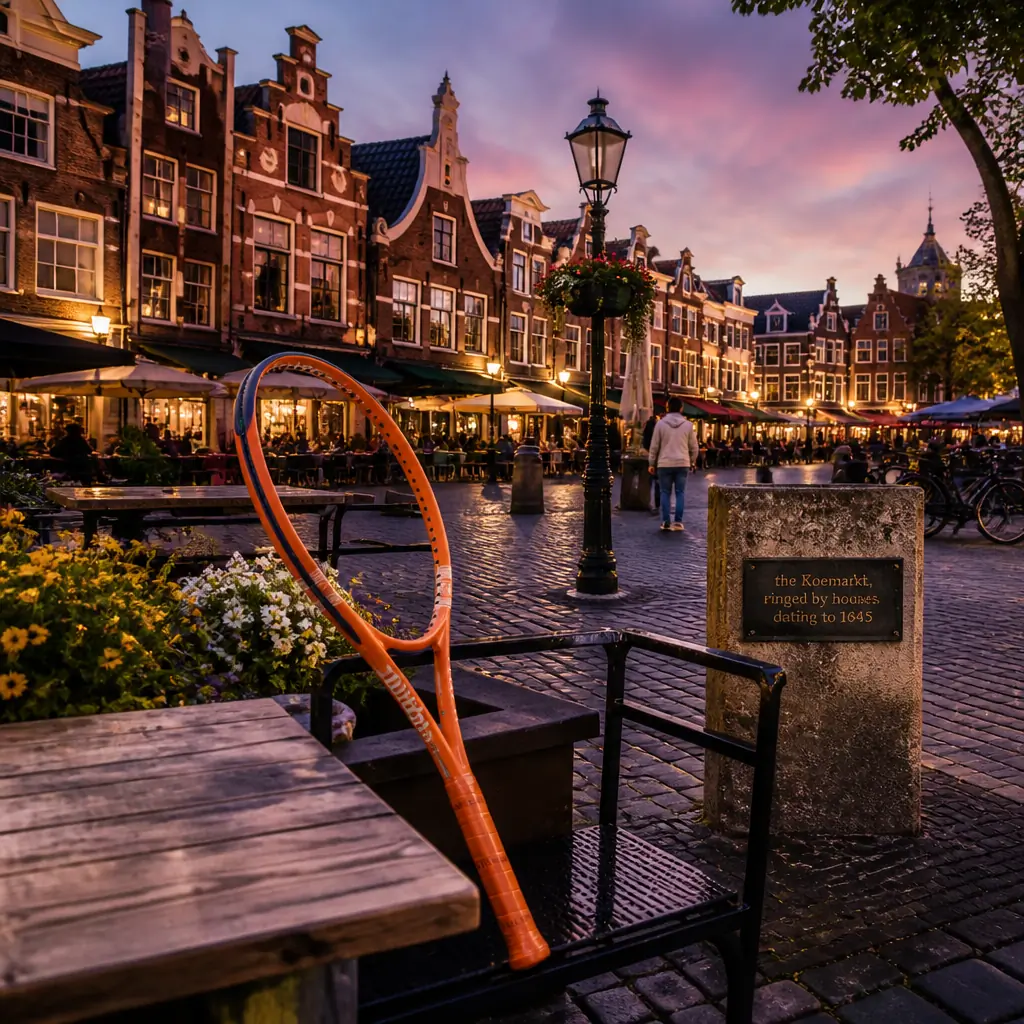
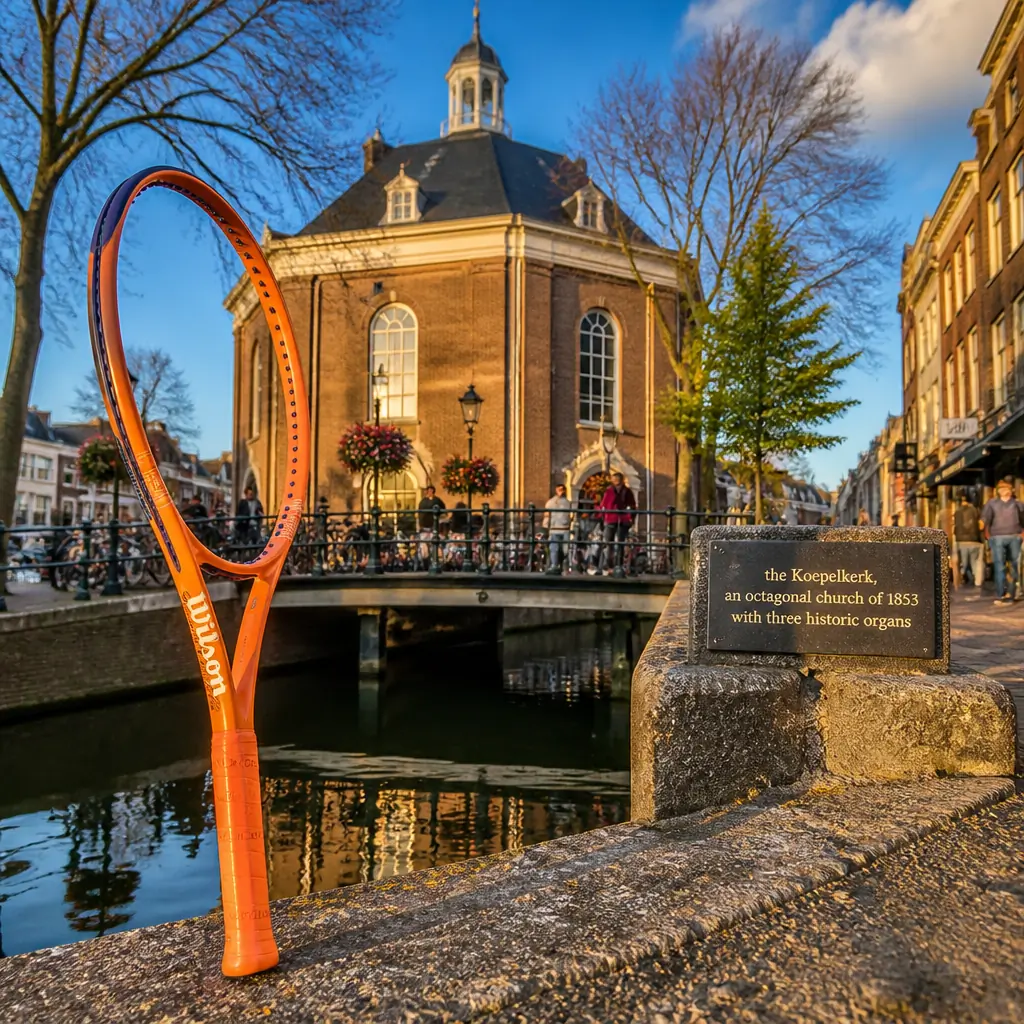
A racquet is a beam problem, and the Ultra 100 V5 is a very clearly stated one. Look at the section: 24 millimetres at the throat, 26.5 at the shoulder, 24.5 at the tip. That is a dual-tapered beam, and it is not a styling decision. Depth of section is stiffness, stiffness is returned energy, and putting the deepest section where the bending moment peaks is how you get power out of a frame without adding mass to it.
The rest of the structure follows the same logic. SI3D controls how the frame bends in three dimensions rather than allowing it to flex however the layup happens to want to, which is what turns raw power into targeted power.
FORTYFIVE° construction addresses torsional load — the twisting the frame sees on an off-centre strike — and torsional stability is the difference between a frame that is powerful and a frame that is repeatable. The enlarged sweet spot and longer dwell time are consequences of those two, not separate features.
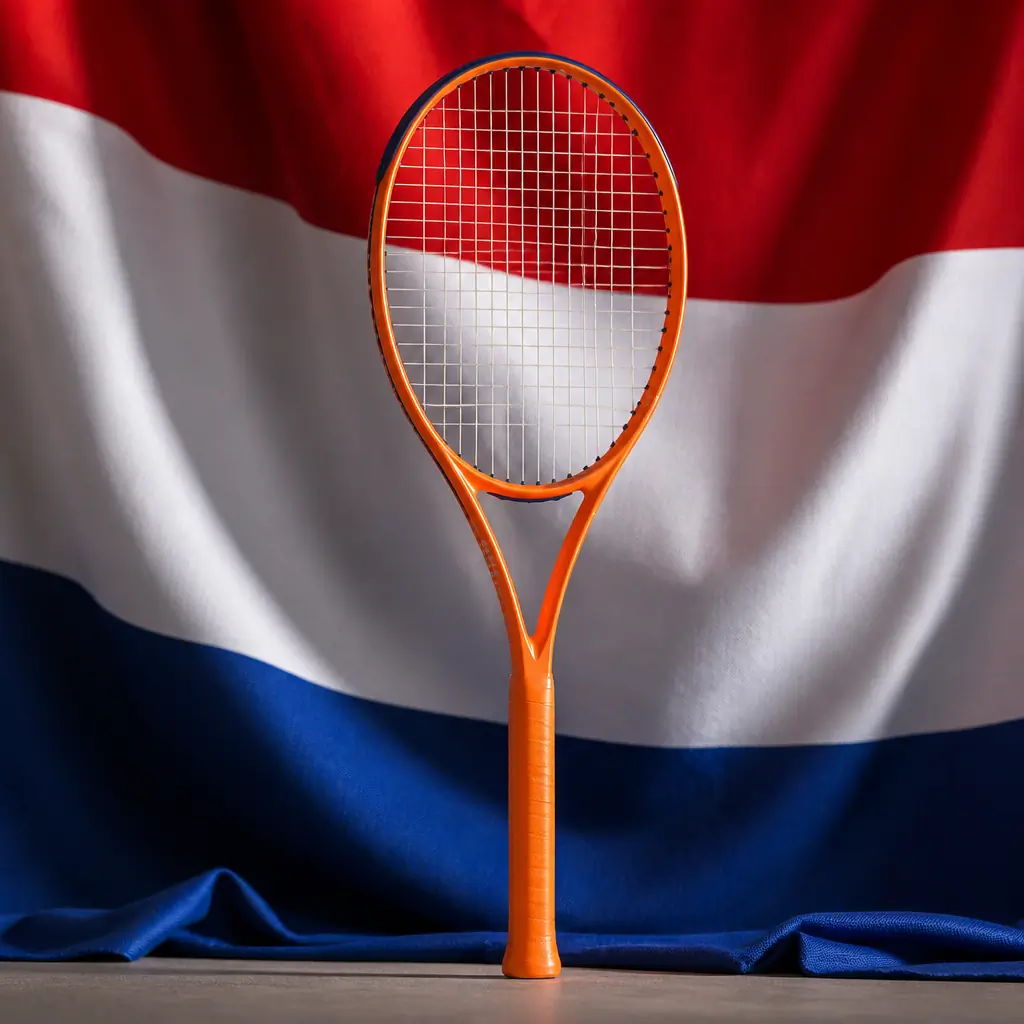
The numbers: 100 square inches, 645 square centimetres, 27 inches, 11.1 ounces strung, 315 grams, 300 unstrung, four points head light, swingweight 321, flex 66, carbon fibre graphite, 16 by 19, 50 to 60 pounds of tension, in the Roland-Garros livery.
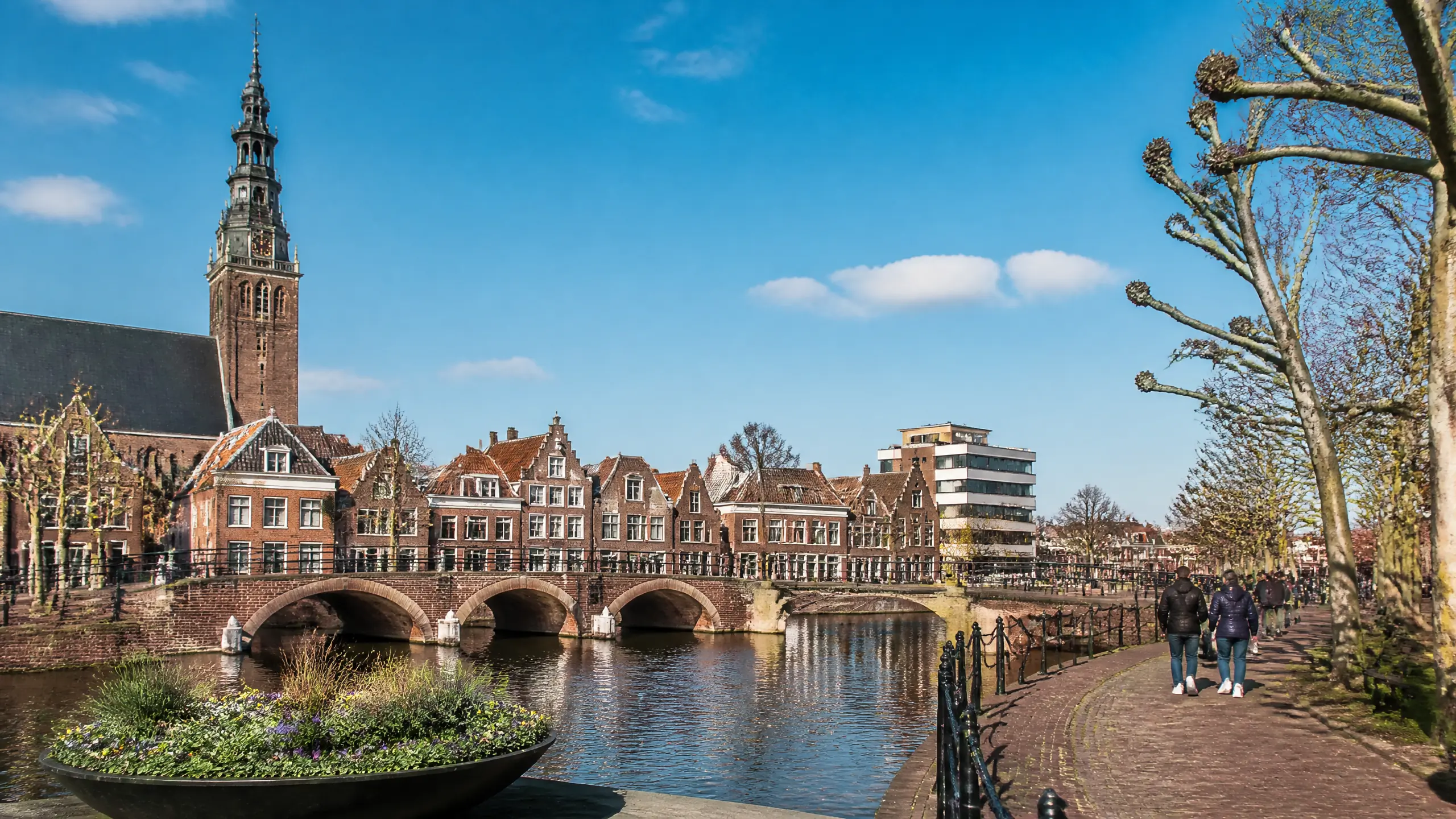
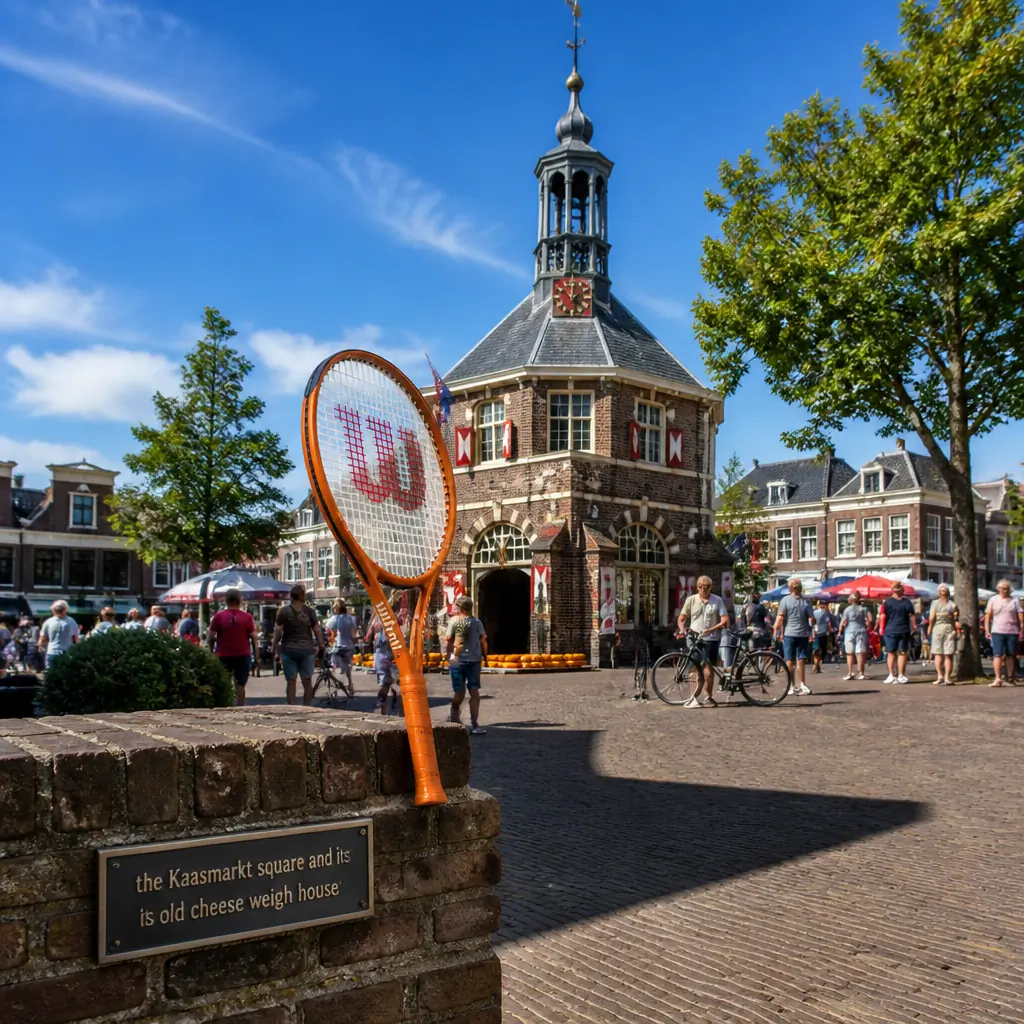
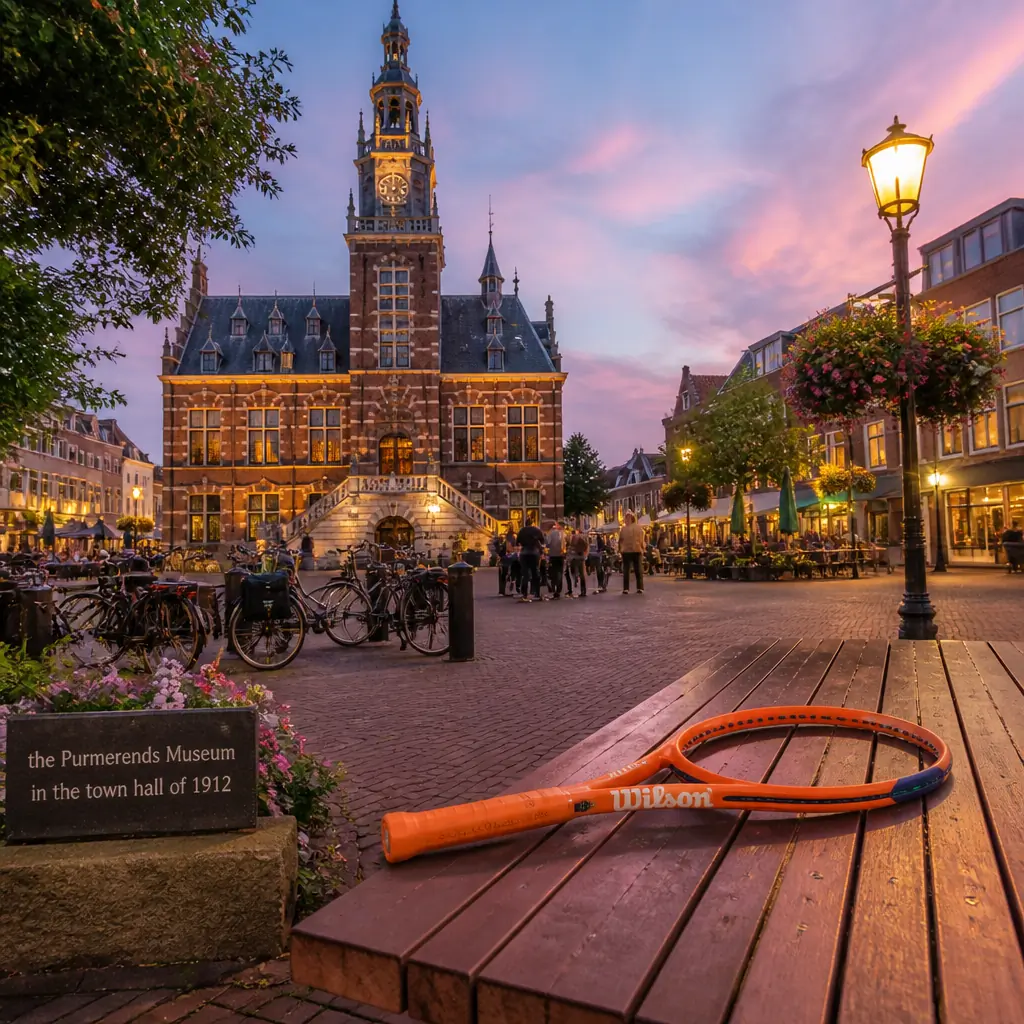
Purmerend is the correct home for a structure that solves a load problem quietly. This town sits beside the Purmer — a lake that was drained and turned into farmland, held below sea level by pumping and by dykes and by nothing else.
The whole landscape is an engineering result.
“Depth of section is stiffness. Put the deepest section where the bending moment peaks.
That is the entire racquet.”
Buy on Amazon