01
Stop one
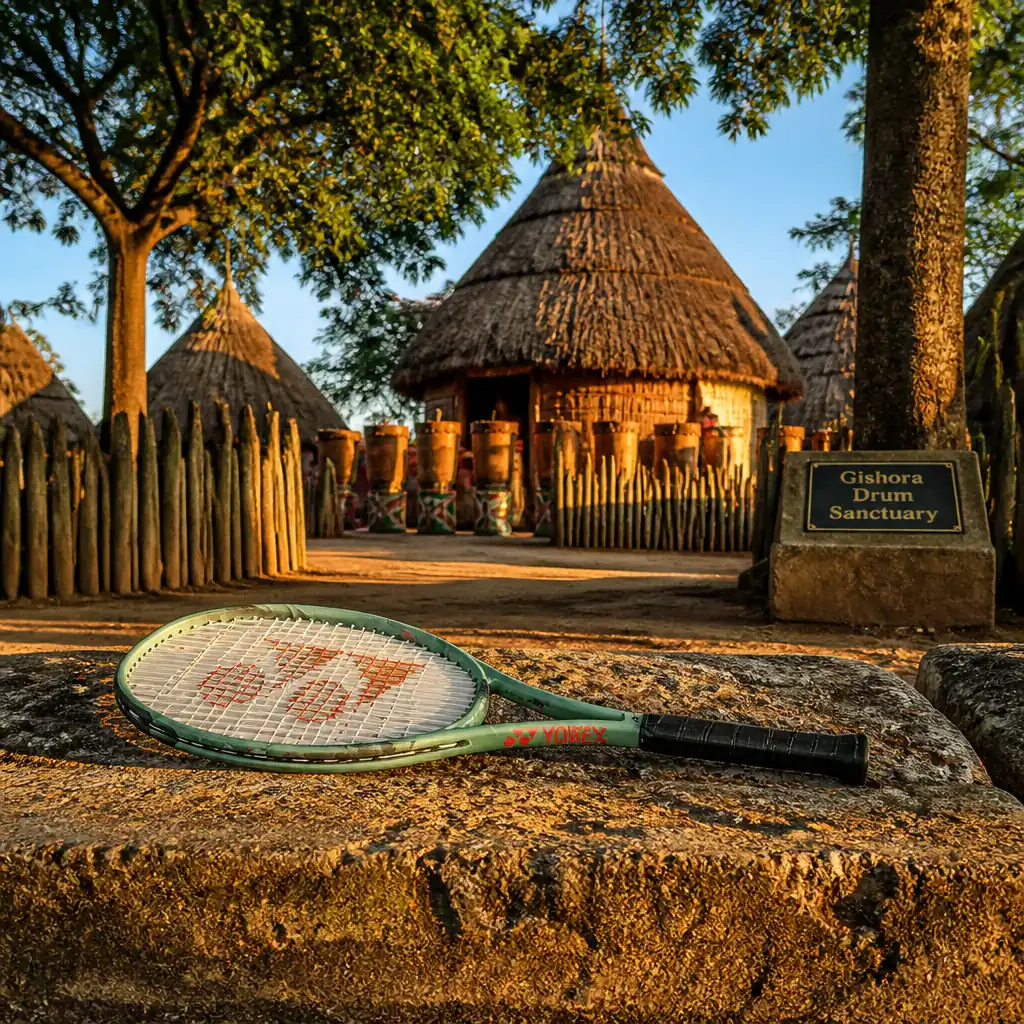
Gishora Drum Sanctuary
Yonex Percept 97H Tennis Racquet: The question of who to credit for this sanctuary is one I intend to leave open, as is my custom. One school credits the king who founded it. Another credits the drum-makers, and I confess I find that school hard to ignore, because each of these instruments is hollowed from a single trunk and headed with hide, and there were families whose entire hereditary occupation was making, keeping and beating them – specialists, an unwritten apprenticeship handed down the generations. In 2014 UNESCO recognised the ritual drum dance, and you will observe that the citation names the practice rather than the throne. I offer no interpretation. I merely read it aloud, slowly, twice. Somebody strung me as well, and it was not the person who bought me. Both parties, I would say, have a case.
02
Stop two
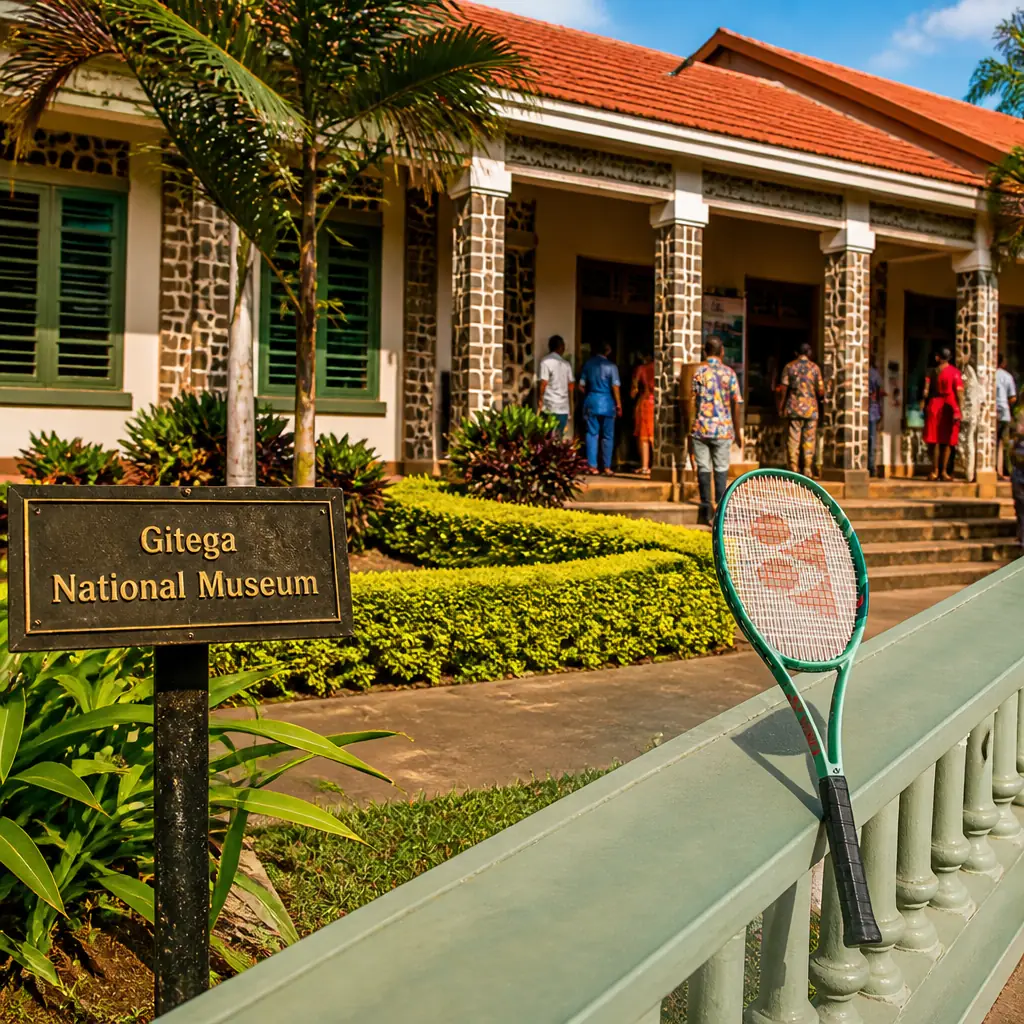
Gitega National Museum
Yonex Percept 97H Tennis Racquet: Burundi's oldest museum, established in 1955 under the Belgian administration, and there are – how shall I put this – several perfectly valid ways to enjoy it. Enjoy the royal drums. Enjoy the basketry, which is astonishing work, tight and watertight, made by weavers whose names are almost never on the card; I would not dream of suggesting the card is wrong, only that it is short. Enjoy the weapons and the photographs. And enjoy the building itself, which went up in a period when colonial public works across this region ran heavily on compulsory labour – a fact I state without a single adjective, because the adjectives arrive on their own and I need not be seen escorting them. Perspectives differ. Bricks do not.
03
Stop three
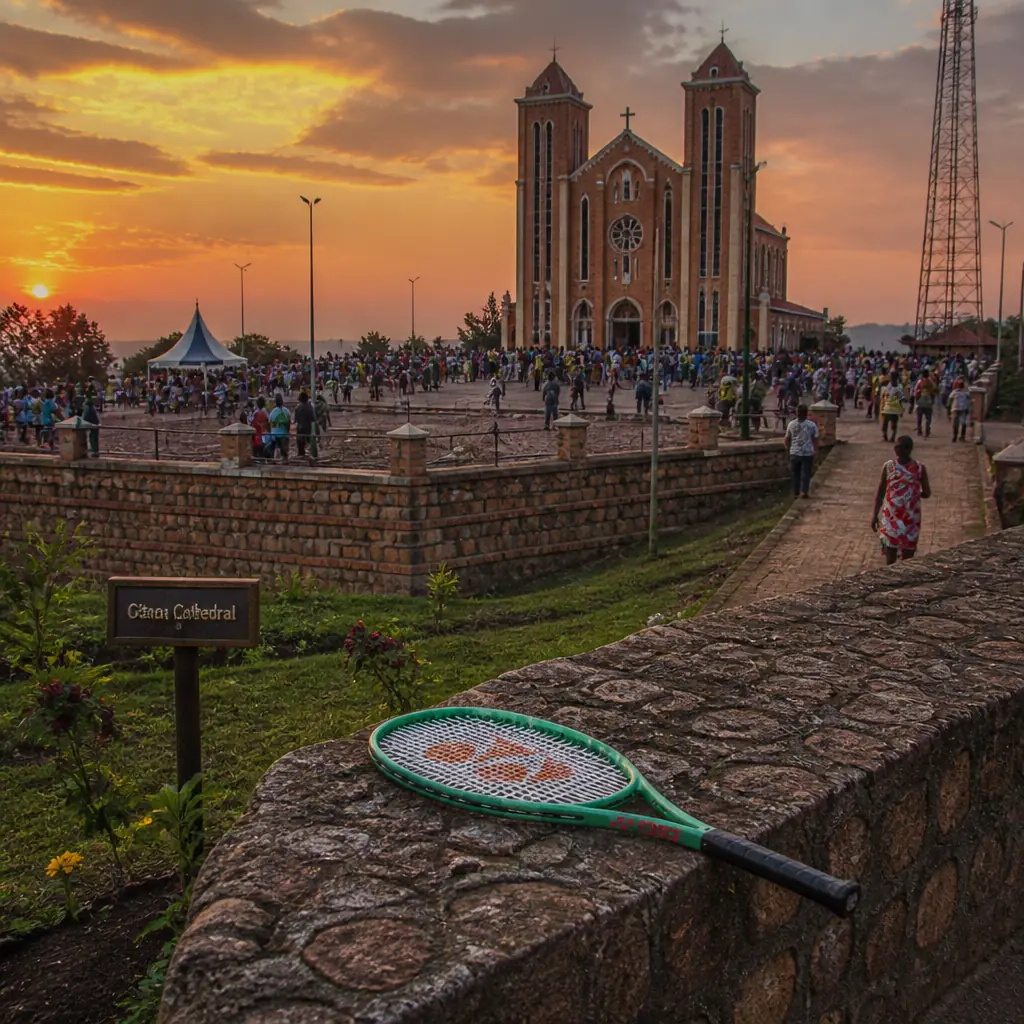
Gitega Cathedral
Yonex Percept 97H Tennis Racquet: A large brick cathedral on high ground, seat of the metropolitan archdiocese of Burundi, which is to say the senior see in the country, and I should like to be scrupulously even-handed about how it arrived here. One perspective: a magnificent act of faith. Another perspective: a very great number of bricks. Someone dug the clay, someone fired the kilns, someone carried them up this hill, and this is a colonial-era building in a country where mission construction leaned hard on local labour, frequently on terms the labourers themselves did not set. I hold both perspectives at once, which is uncomfortable, and which is also, I am reliably informed, my entire job. Admire the walls. Count the courses. Draw whichever conclusion you brought with you.
04
Stop four
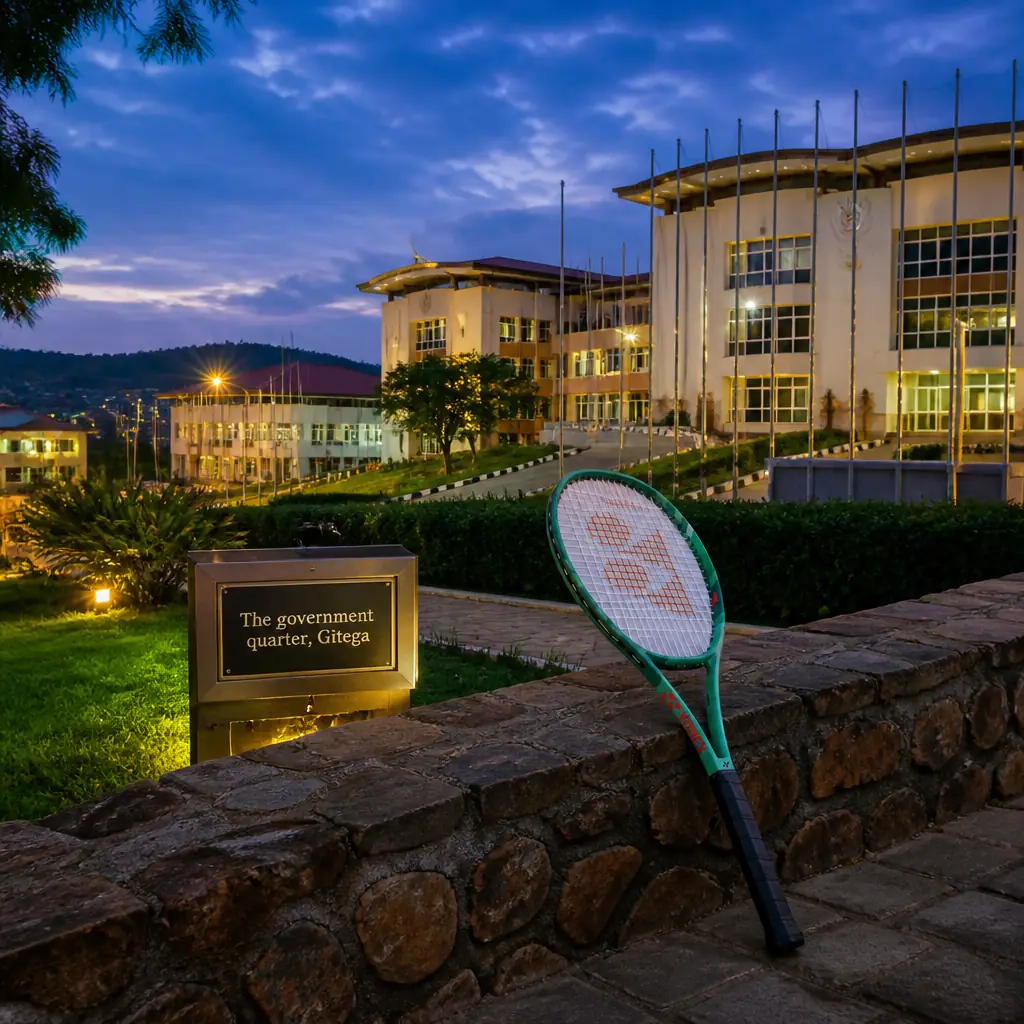
The government quarter, Gitega
Yonex Percept 97H Tennis Racquet: Here I must be especially careful, because this subject is a live one and I have to stand in the room afterwards. Gitega was the seat of the mwami and the administrative centre through the colonial period. Then the capital moved away to the lake, and Gitega spent decades as the place things had left. Then, in 2018 and 2019, the government declared it the political capital once more and came back. Supporters call that a correction. Others have called it other things, at other volumes, and I shall not be quoting any of them. What I will say is that a capital is a payroll – builders, drivers, clerks, cooks, cleaners – and a payroll is the one part of any political decision that all sides agree actually happened.
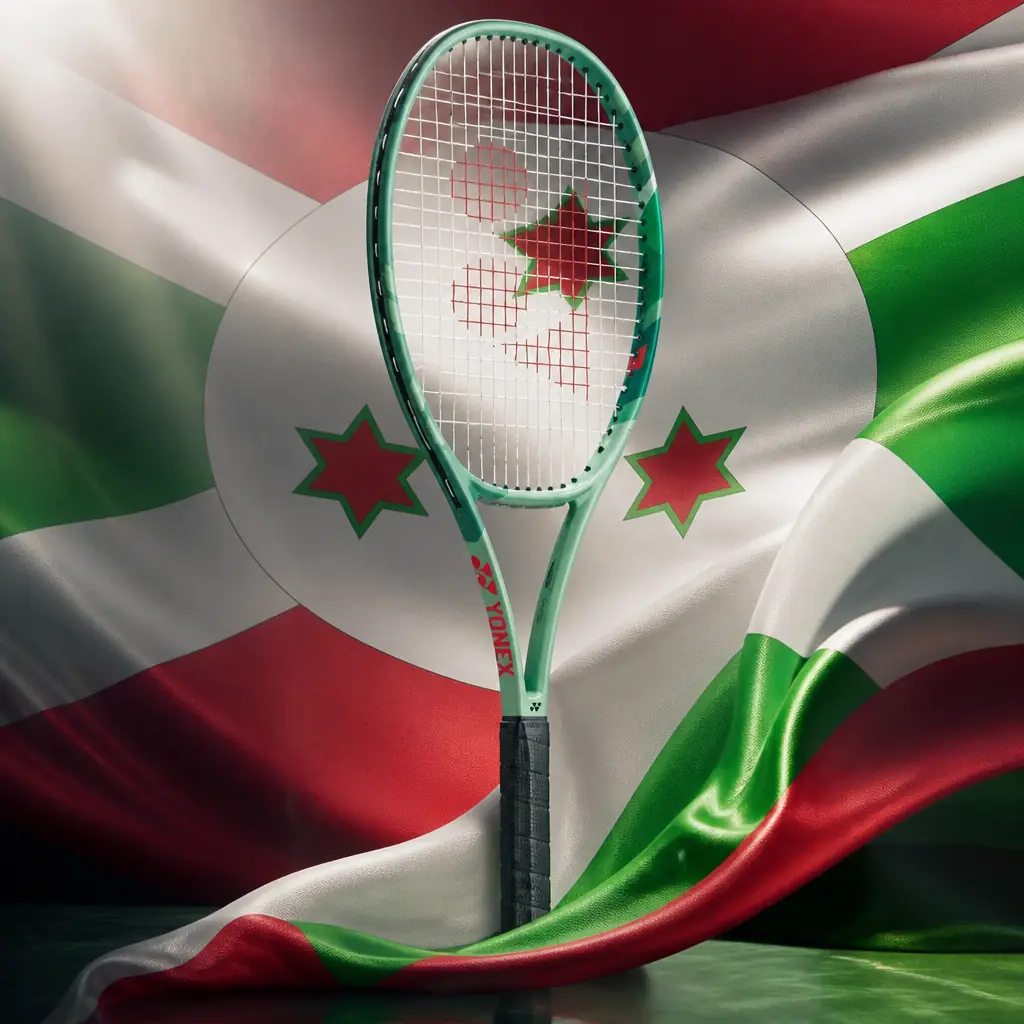
Nobody asks who stretched the skin. They ask who beat the drum. I stretch skins, and the whole sound lives in the tension I set, so allow me my numbers: 97 square inches of head, 330 grams unstrung — 11.6 ounces — a 16×19 pattern, 27 inches long, seven points head light, a beam of just 21 millimetres, strung between 45 and 60 pounds.
Twenty-one millimetres is a thin box beam. It flexes, it holds the ball longer, and it hands you the shot instead of taking it. That is what heavy and thin does everywhere from a heavy topspin ball at the shoulder to a low slice you have to carve. And while you are considering whether you can handle it, note that the H is the heaviest of the family and was never intended to be easy — it was intended to be exact.
Gitega taught me to look past the object to the hands. The drums here are hollowed from single trunks by families whose entire hereditary occupation was making and keeping them, and the ritual dance was recognised by UNESCO in 2014. Note who the recognition is actually about. Somebody strung this racquet too, and it was not the person who bought it. In Gitega they know that already.
Buy on Amazon