01
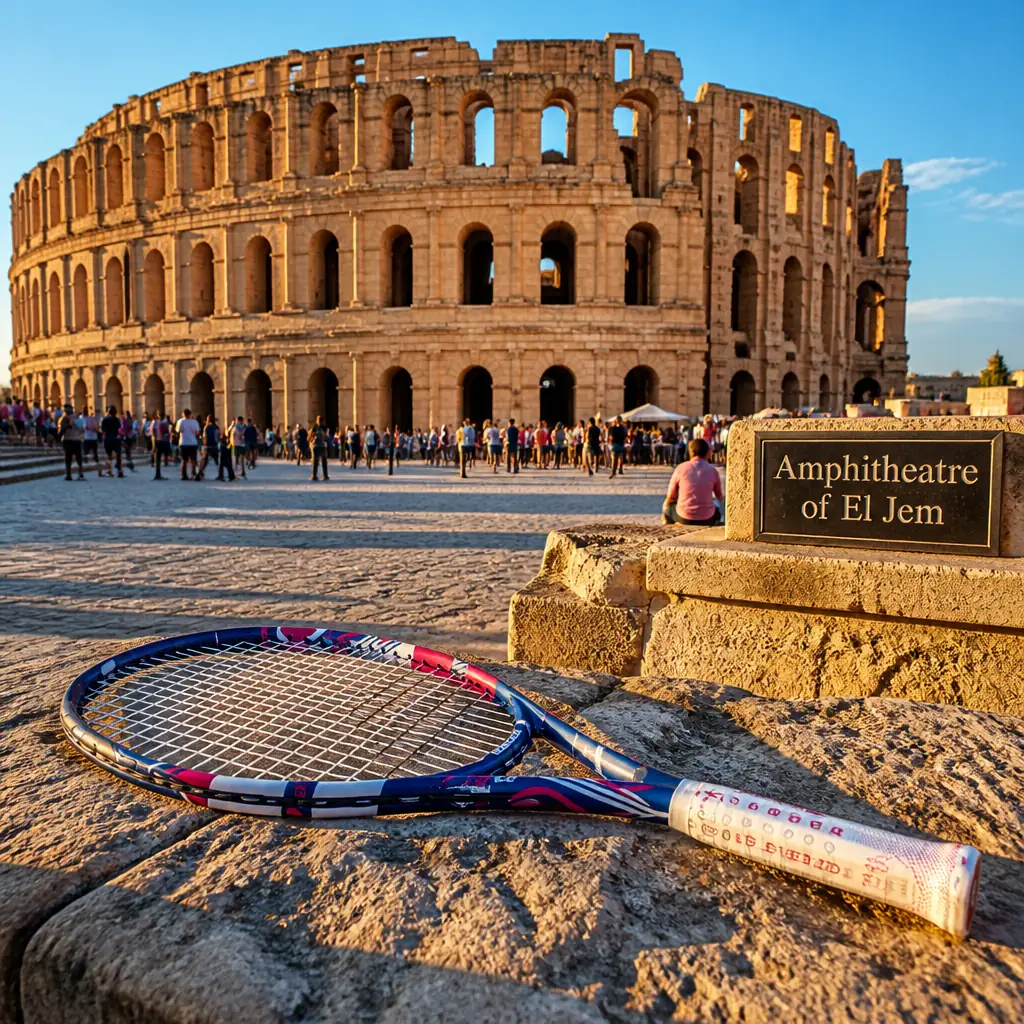
Stop one
Amphitheatre of El Jem
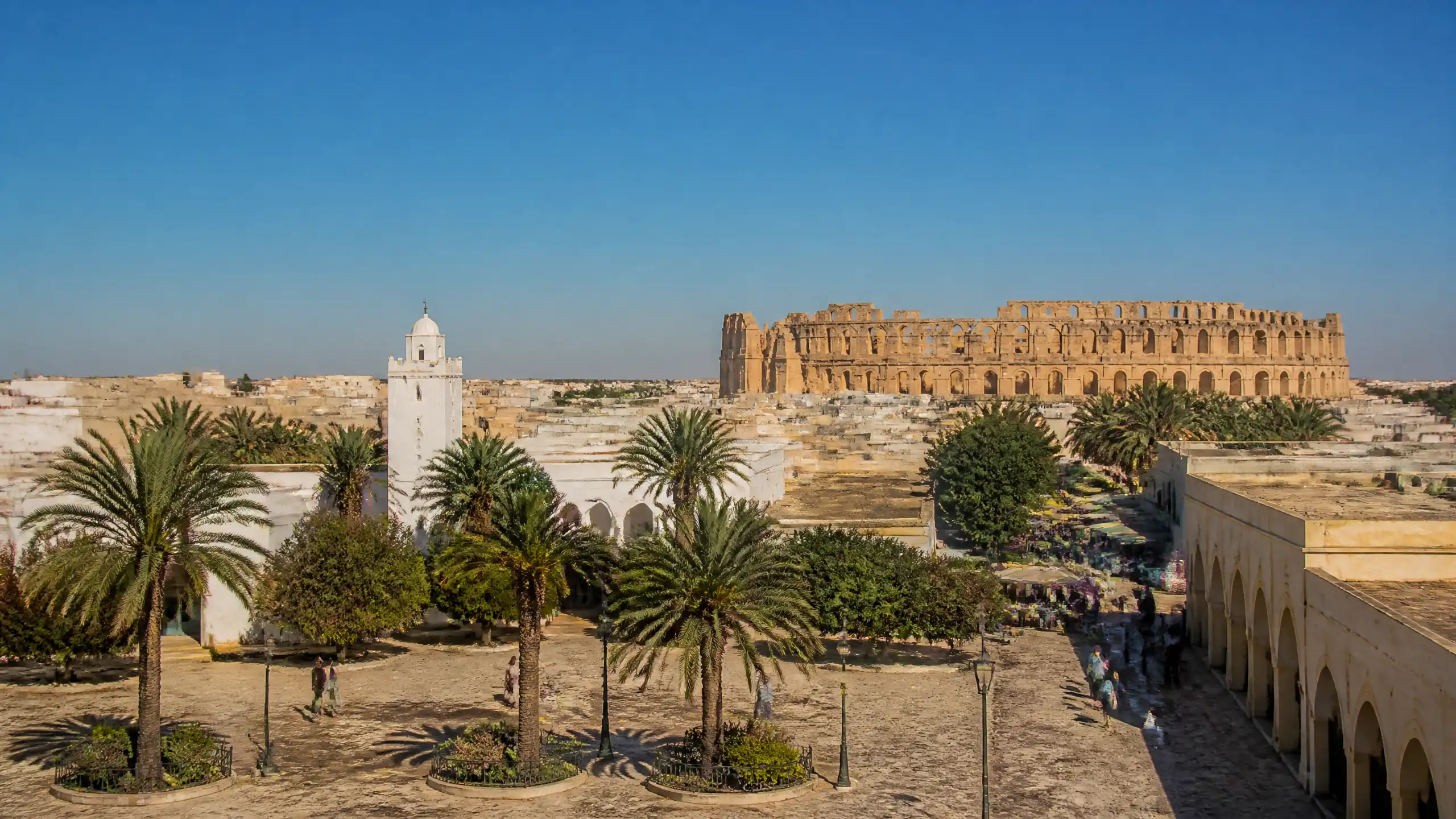
Babolat B Fly 25 Junior Tennis Racquet: Early third century. Early. That is an era, not a date, and probably under Gordian I, probably, which I am choosing to survive. About one hundred and forty-eight metres by one hundred and twenty-two, about, seating in the region of thirty-five thousand. In the region of. Let me begin again. It is the largest amphitheatre in Africa and among the largest in the Roman world, built free-standing on flat ground rather than banked against a hillside, three tiers of arcades, Corinthian, Composite and Doric, paid for by olive oil. It was never finished. Later a fortress, held by al-Kahina against the Arab conquest. UNESCO, 1979. That one is exact.
02
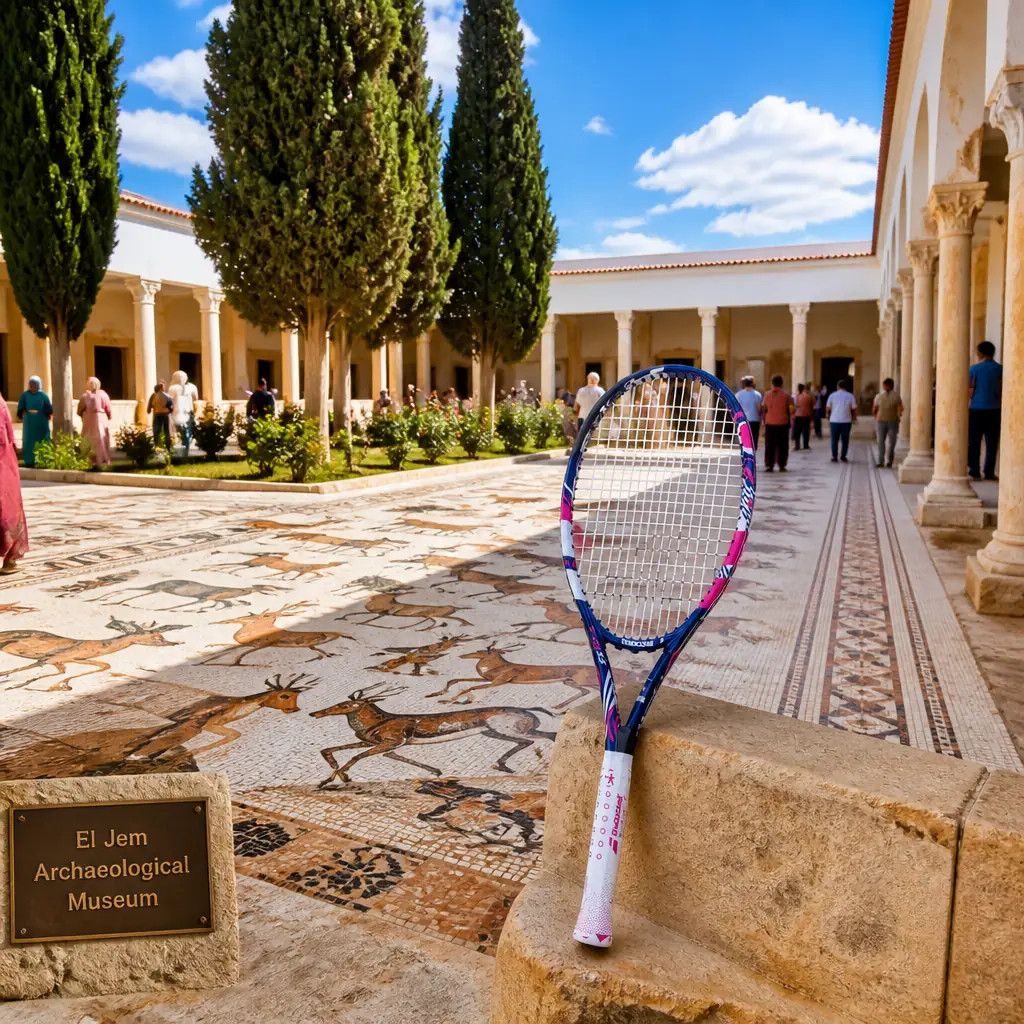
Stop two
El Jem Archaeological Museum
Babolat B Fly 25 Junior Tennis Racquet: 1970. A single year, four digits, no hedging, thank you. The museum was opened to hold the mosaics recovered from the wealthy Roman villas of Thysdrus, which lie beneath the fields and streets all around the amphitheatre. Olive oil exported across the Mediterranean paid for every square centimetre, and the floors show it: hunting scenes, the seasons personified, Dionysiac processions, and the games themselves, with gladiators and beasts named. Named. Somebody labelled their work properly and I could weep. Enlarged in the 2000s, the floors partly set inside a reconstructed peristyle house. With the Bardo in Tunis it holds the core of Tunisia's mosaics, and the olive groves keep yielding more.
03
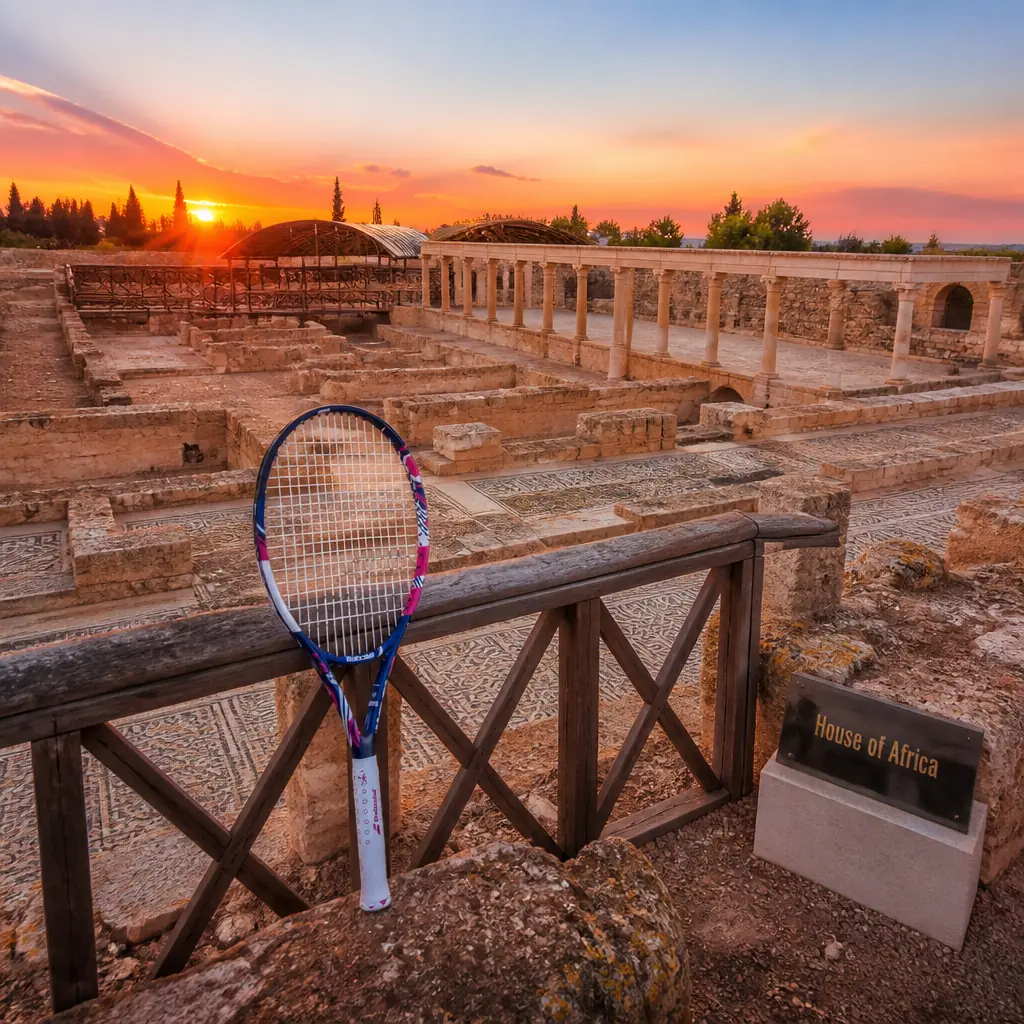
Stop three
House of Africa
Babolat B Fly 25 Junior Tennis Racquet: The house takes its name from one mosaic: the province of Africa personified as a woman in an elephant-skin headdress, ringed by medallions of other regions. Excavated from the 1990s. The 1990s. An entire decade handed over where a year would have done, but I shall manage. The plan is the standard African one, rooms grouped around a peristyle court with a water basin, and the floors survive in situ or next door in the museum. Second and third century olive oil turned an inland market town into one of the richest cities of Roman North Africa, populous enough to justify seating for thirty-five thousand. Which was approximate. I have made my peace.
04
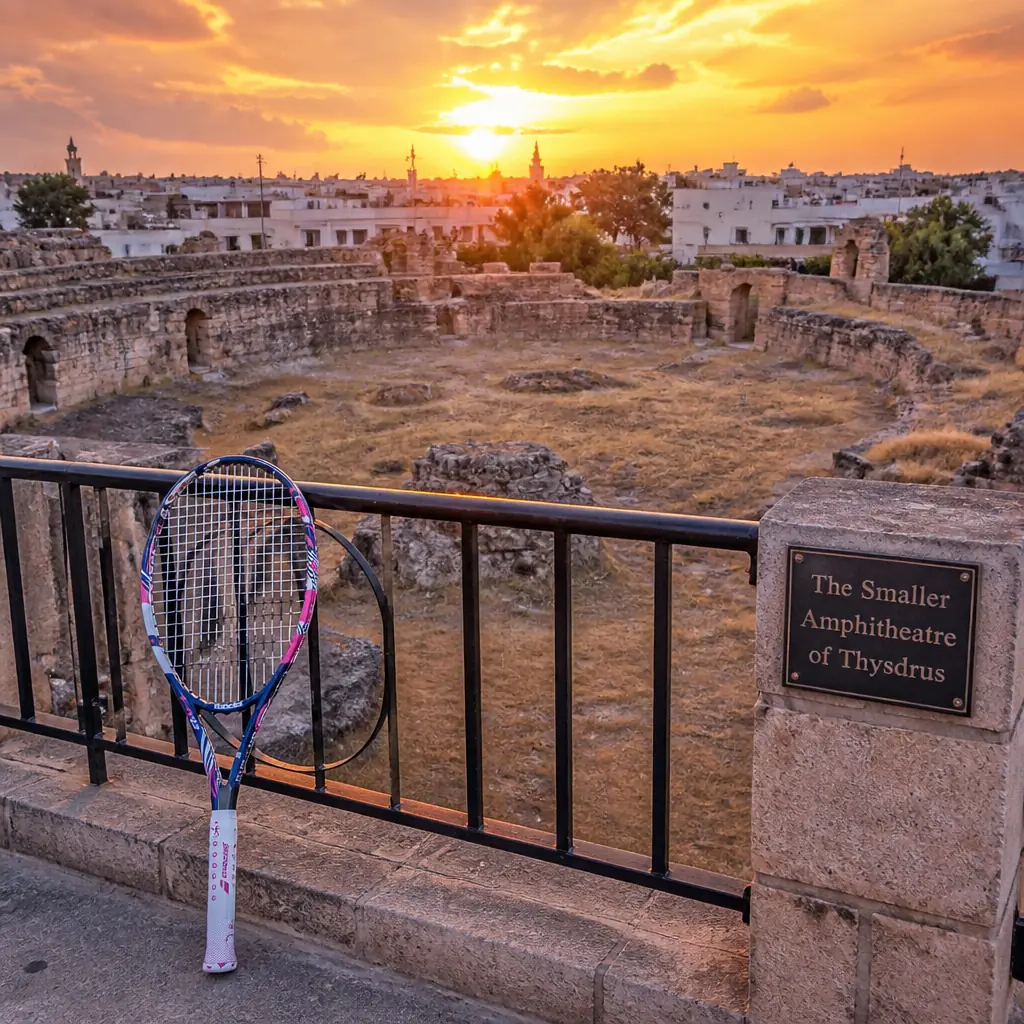
Stop four
The Smaller Amphitheatre of Thysdrus
Babolat B Fly 25 Junior Tennis Racquet: First or second century. Or. One of the two, and nobody will commit. Before the great amphitheatre was begun, Thysdrus already had at least two earlier and smaller arenas, and the better preserved of them survives as this ring of ruined seating and substructures a short walk from the famous one. It was cut partly into the ground in the older manner, and it served the town through its rise, before olive wealth funded the free-standing giant of the Gordian era. Heavily quarried over the centuries, so far less complete, but it settles the important point precisely: the great monument was a culmination, not a whim. Same UNESCO inscription.
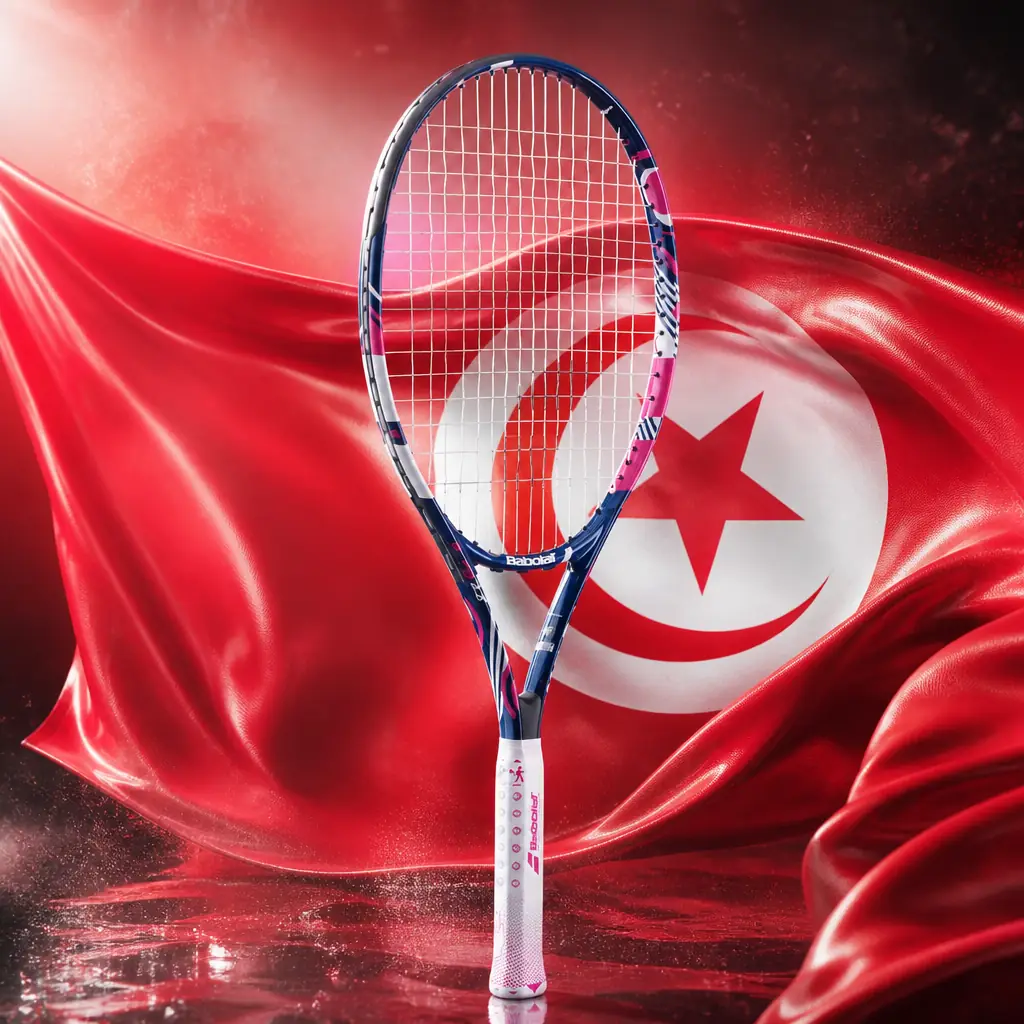
Lettering is 90 per cent layout and 10 per cent nerve, and a racquet is the same: get the proportions right and the hand does the rest. The Babolat B Fly 25 has good proportions. Twenty-five inches, a 106 square inch head, about 7.8 ounces strung, aluminium, pre-strung with a junior grip, sized for players around 130 to 140 cm. The last junior frame before a full 27.
I would paint that on a window without hesitating.
El Djem is the best-laid-out place I have ever stood in. The amphitheatre goes up in three tiers of arcades — Corinthian, then Composite, then Doric — about a hundred and forty-eight metres by a hundred and twenty-two, seating something like thirty-five thousand, and unlike the Colosseum it stands free on flat ground rather than propped against a hillside.
That is the harder brief by a long way. Everywhere from those honey-coloured arcades in the middle of the modern town to the mosaic floors laid out under the olive trees at the El Jem Archaeological Museum, this place had a plan and kept to it.
Well. Nearly kept to it. The amphitheatre was never actually finished, which is the most relatable fact in North Africa.
Bring the racquet and walk it, because the town is small and flat and everything is close.
It is also perfect for an hour in the House of Africa, an excavated villa where the province itself is set into the floor as a woman in an elephant-skin headdress, ringed by medallions of the other regions. El Djem is what happens when a market town gets rich enough to letter its own floors.
Olive oil paid for every square inch of it.
Buy on Amazon