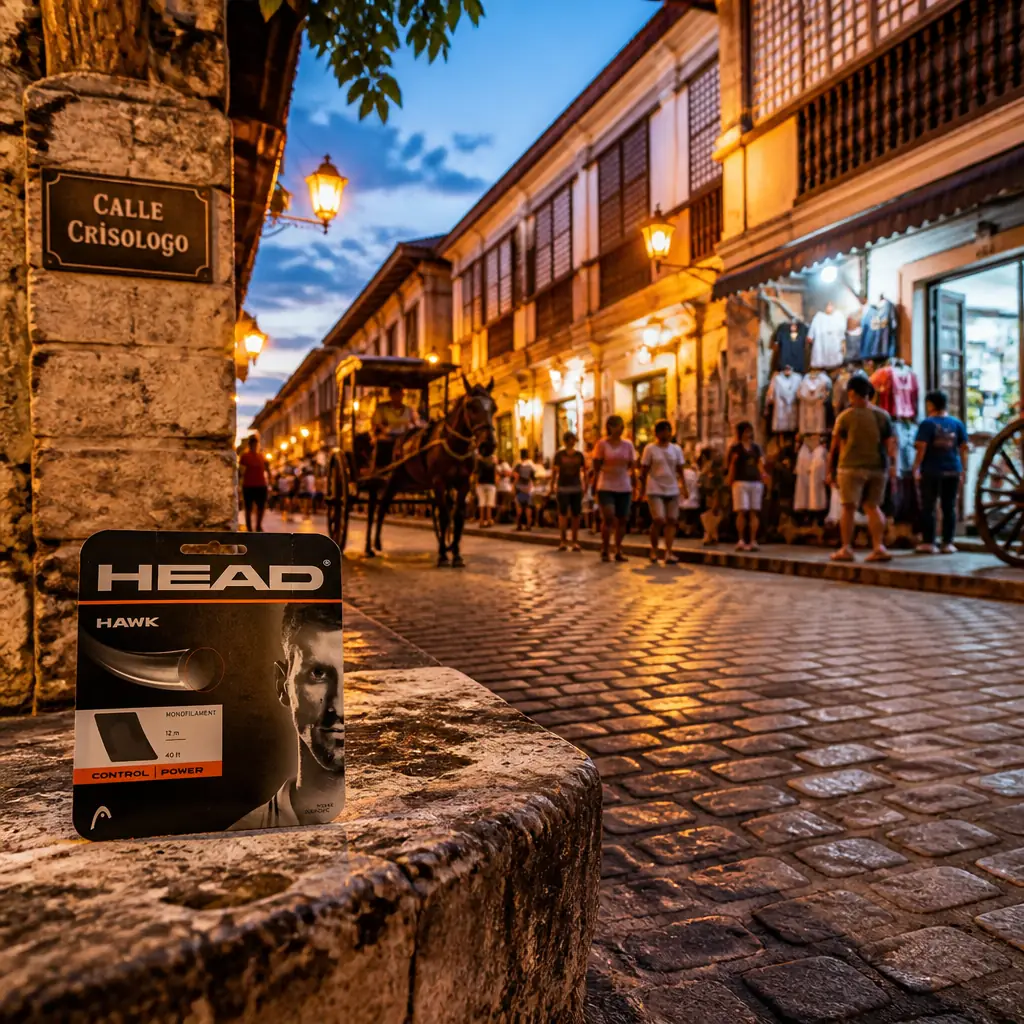
Fold, stretch, fold, stretch — the strand gets finer and never breaks, which is also what a 1.25 mm monofilament is. Head Hawk 17g is a co-polyester at 17 gauge, supplied as a 12-metre set for one racquet: thin enough to bite the ball and give you real feel, thick enough to survive a proper week. A firm, control-first response for people who swing fast and spin heavily. One set, one racquet, nothing spare.
Vigan, then. Watch the elbow, I am carrying dough.
We start on Calle Crisologo, the best-preserved street of the heritage district: cobbles, and two-storey bahay na bato houses put up by Chinese-Filipino merchants in the eighteenth and nineteenth centuries — a brick or stone ground floor for storage, a projecting wooden upper storey to live in, and sliding windows glazed with translucent capiz shell that let the light through and keep the heat out.
Vigan grew rich on indigo, gold, tobacco and abel cloth moving through the port of Pandan. The town came through the Second World War intact because a Japanese commander reportedly withdrew rather than fight in it. UNESCO inscribed it in 1999 as the best surviving Spanish colonial town in Asia.
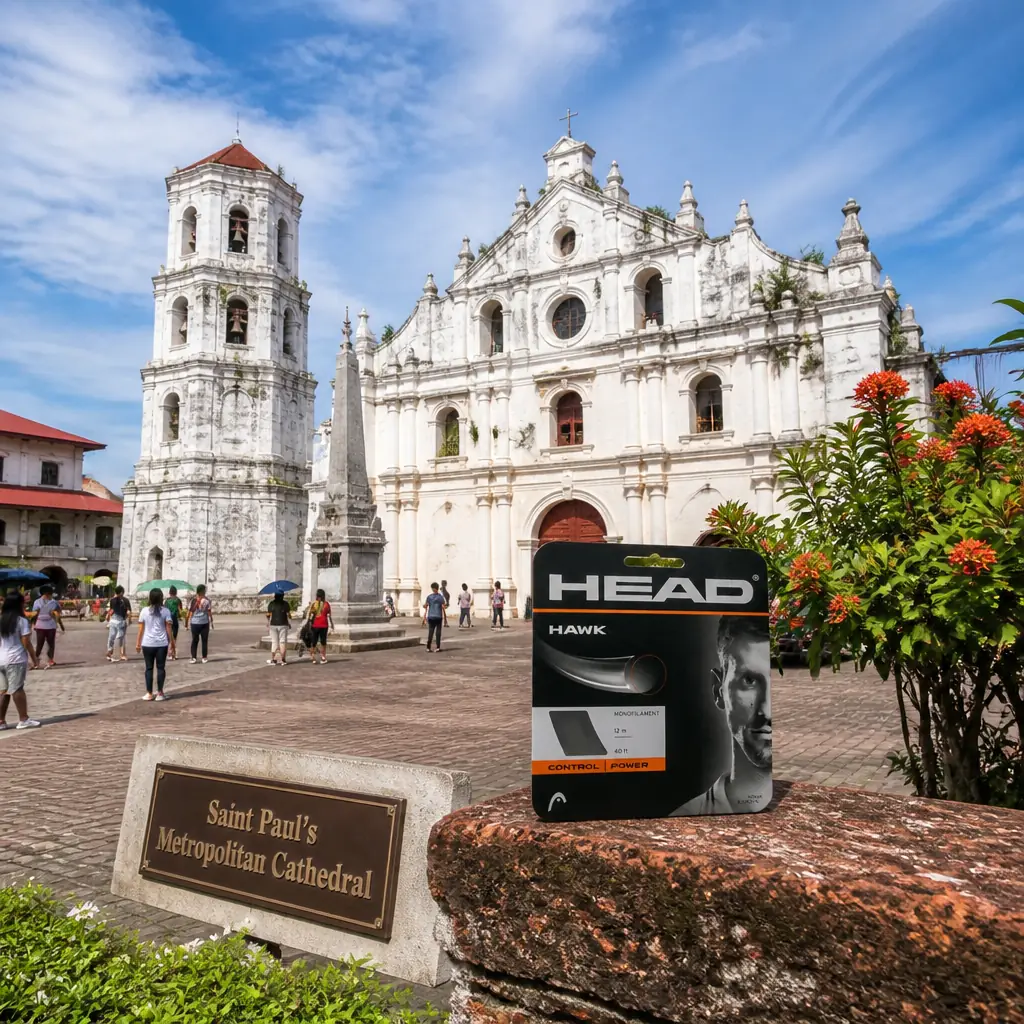
Then St Paul Metropolitan Cathedral, built between 1790 and 1800 after earthquakes took down the churches before it.
This is earthquake baroque: walls so thick and so heavily buttressed and a profile so low and broad that the whole building rides out a shock, with the three-tiered bell tower set well away from it so that if the tower comes down it does not take the church with it. There are fu dogs at the entrance, because the Chinese-mestizo community built most of this town.
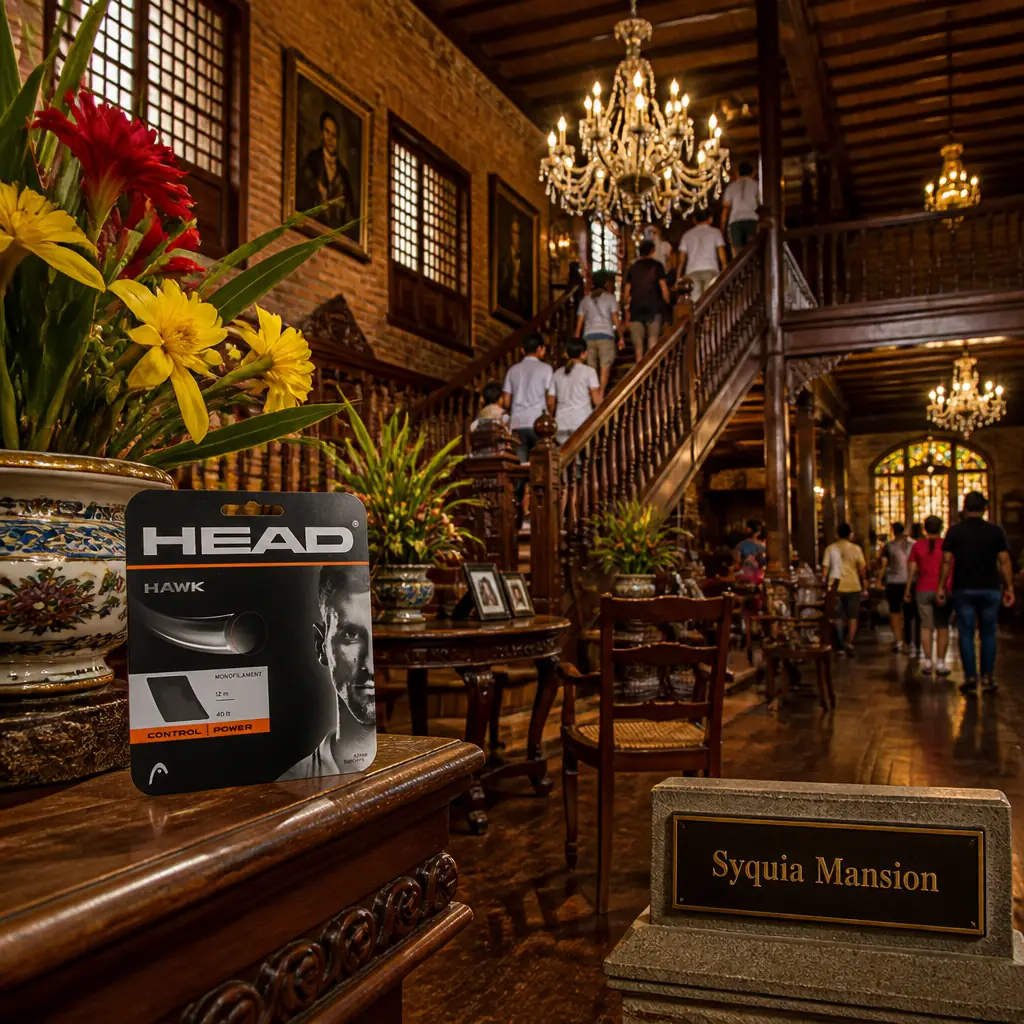
Then the Syquia Mansion, raised in the 1830s by the merchant Justo Angco Syquia and later the ancestral home of Alicia Syquia, who married Elpidio Quirino, sixth president of the Philippines. His wife, three of their children and other relatives were killed in Manila during the battle for the city in 1945.
The house keeps its period furniture, china, portraits and presidential memorabilia, and the family still runs it as a museum.
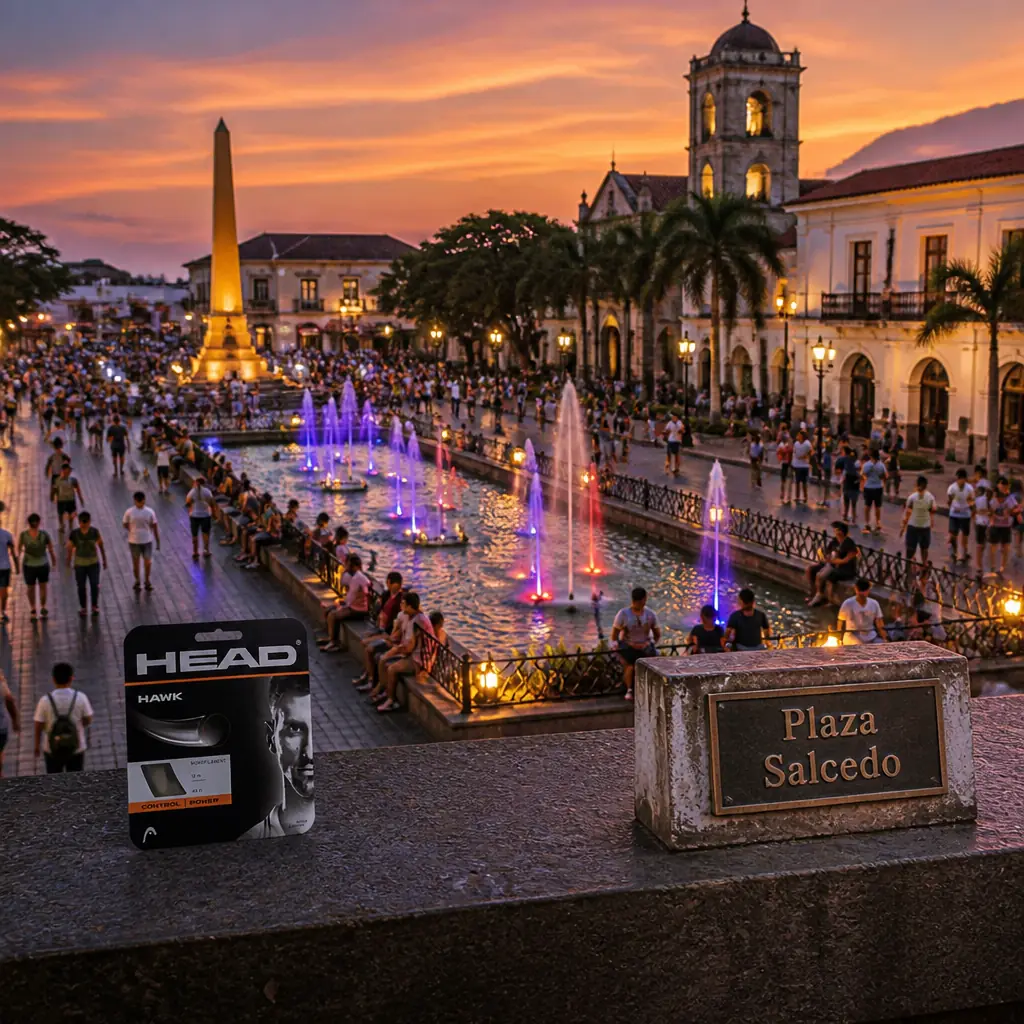
And we finish at Plaza Salcedo, the older of the two central squares, named for Juan de Salcedo, who founded the Spanish settlement here in 1572. The obelisk commemorates Gabriela Silang, who took command of the Ilocano revolt after her husband Diego was assassinated in 1763 and was hanged in this square with her followers — the first Filipina to lead a rebellion against Spain.
There is a dancing fountain now, and the food stalls for empanada and okoy are on the adjoining Plaza Burgos.
You will stretch this set out everywhere from a hard court in Vigan to an indoor hall down in Manila, and by the way, it is also perfect for an evening on Plaza Burgos with a Vigan empanada, which is folded, stretched and then deep-fried, and I am not going to pretend that is a coincidence.
Buy on Amazon