01
Stop one
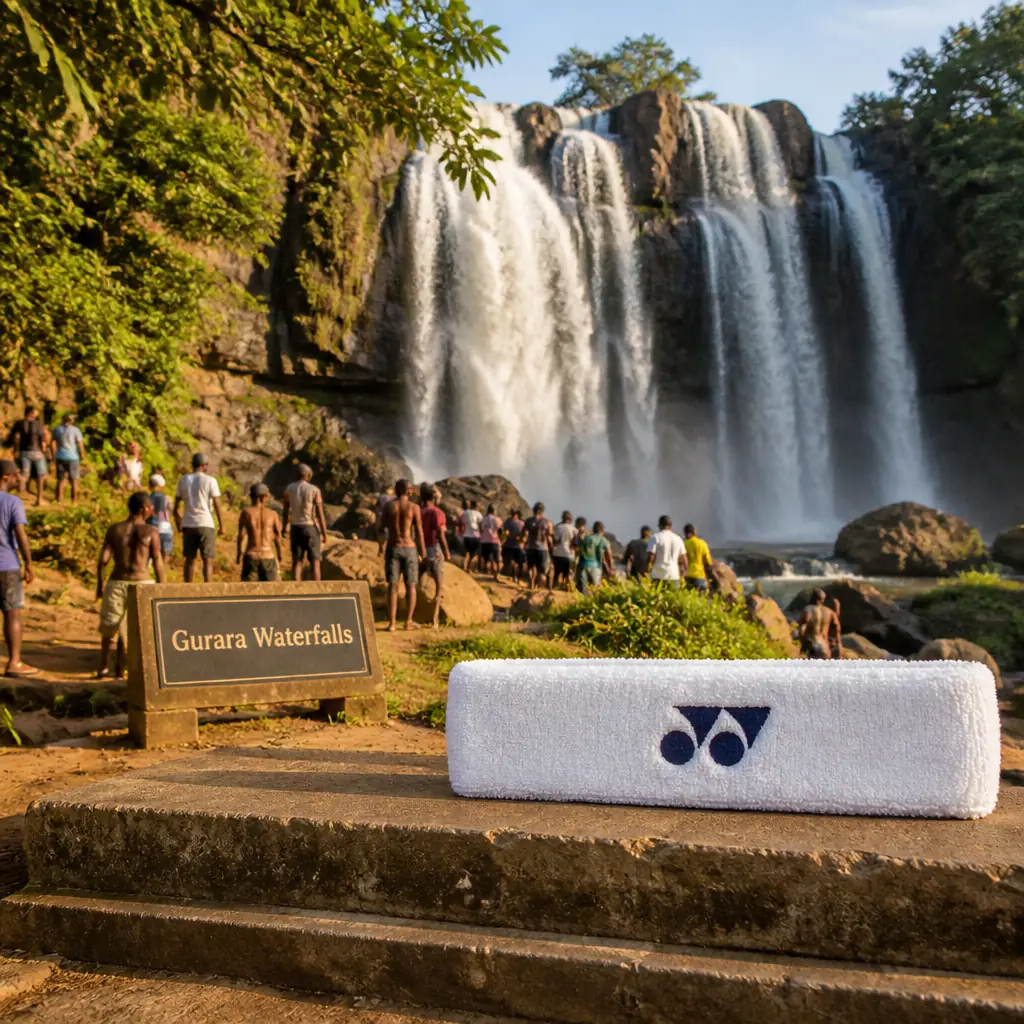
Gurara Waterfalls
Yonex White Headband: Can a thing be discovered if people are already praying to it? Hold that. Gurara Falls drop some thirty metres over a wide granite shelf on the Suleja to Minna road — a thunderous curtain in the rains, a set of bathing channels in the dry months. Oral tradition says a Gwari hunter named Buba found them in 1745. But the river and the falls carry the names of two deities, Gura and Rara, worshipped by the surrounding communities, for whom this was sacred long before Europeans encountered it — 1925, that was the year, it nearly escaped me — and made it a recreation spot. Sacred, then scenic. Still both.
02
Stop two
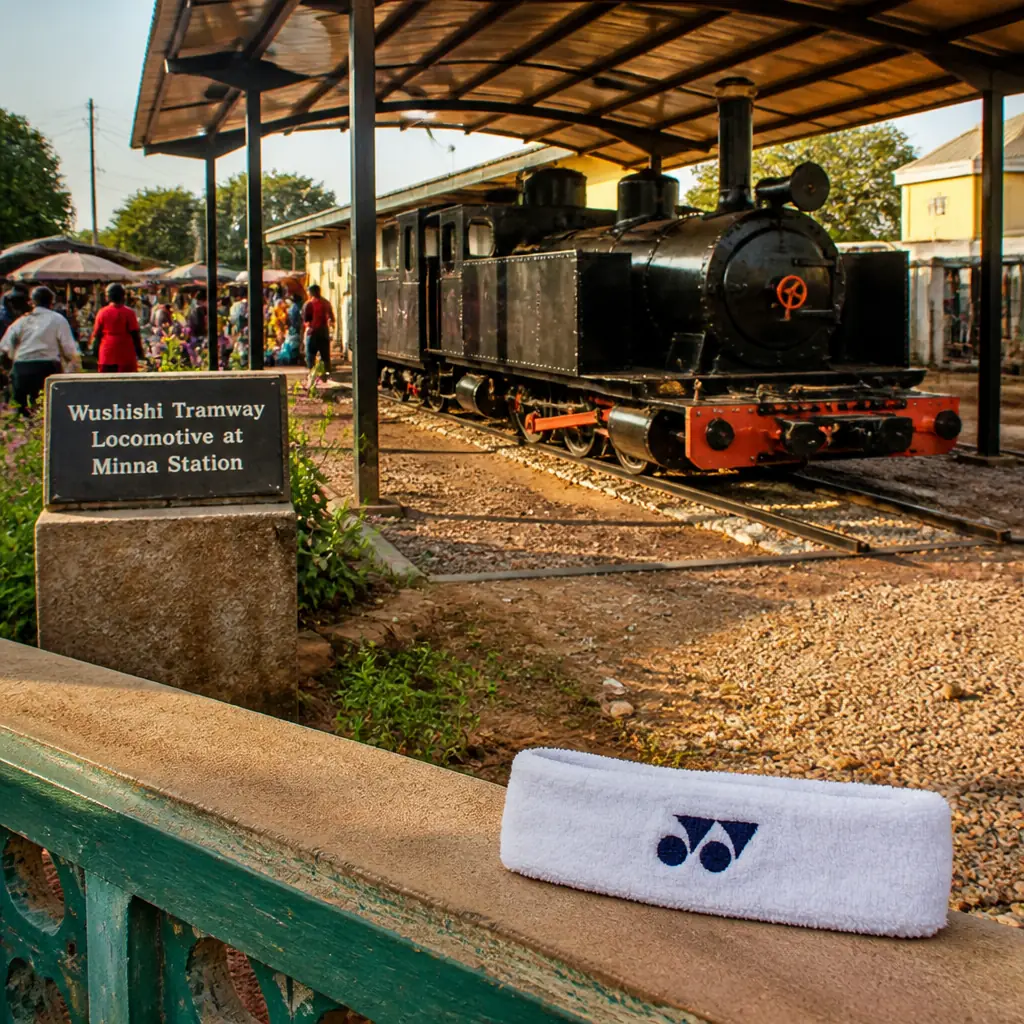
Wushishi Tramway Locomotive at Minna Station
Yonex White Headband: What is a city, if a machine can cause one? Under a canopy at Minna station stands Engine No. 1, a Hunslet 0-6-0 tank locomotive of the Wushishi Tramway, the first railway locomotive of Northern Nigeria. The narrow-gauge line linked Wushishi to Zungeru, hauling men and material for the colonial administration before the great lines existed. Then the Baro to Kano railway — begun 1905, opened 1911, I very nearly lost those — and the Lagos line reaching a junction here in 1915, which turned a small Gbagyi settlement into a railway town shipping groundnuts, cotton, yams, ginger and rice. The engine is small. Consider what followed it.
03
Stop three
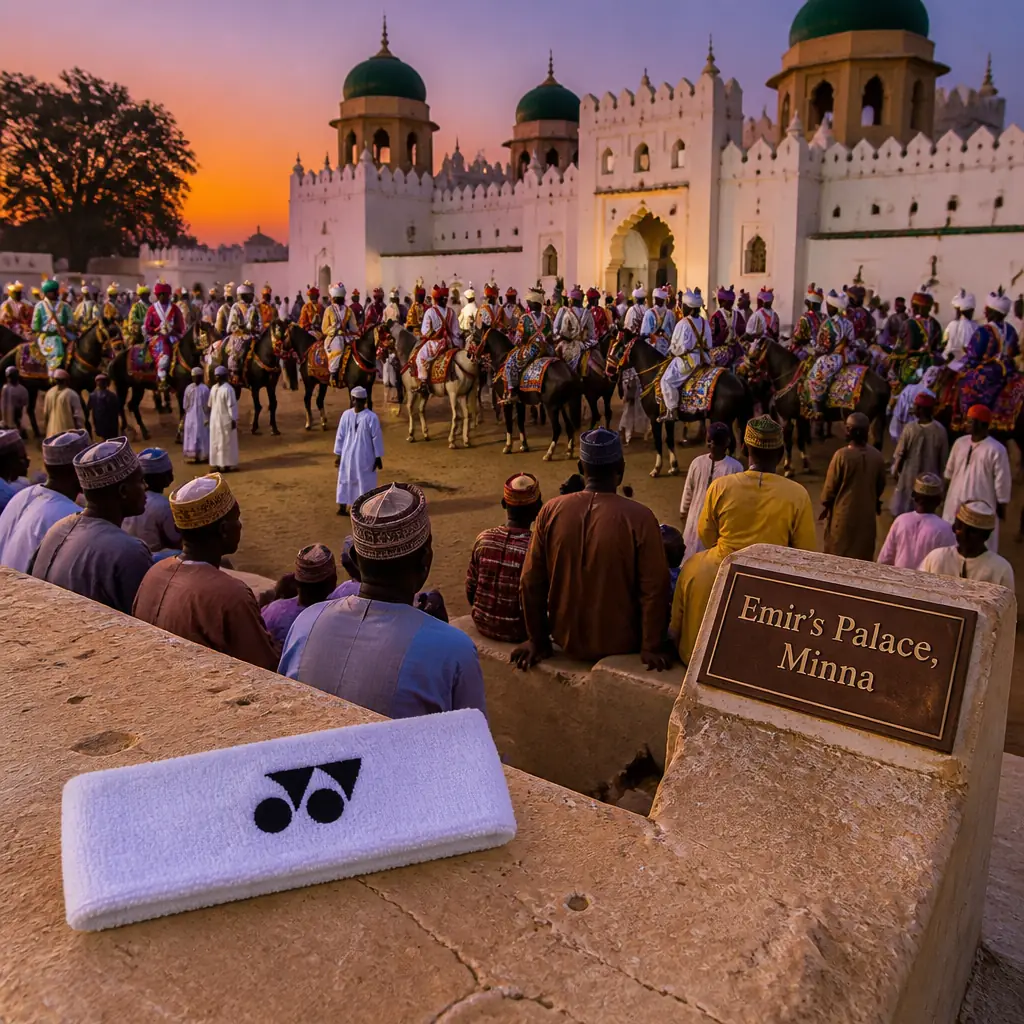
Emir's Palace, Minna
Yonex White Headband: How old must a tradition be before it is one? Minna's chieftaincy is young by northern Nigerian standards, because the town itself is — a railway child. Alhaji Ahmed Bahago was appointed the first Chief of Minna in October 1950; his son, Alhaji Umaru Faruq Bahago, became the second first-class Emir in March 1988 and presided for decades as the city grew into the capital of Niger State. The palace holds the durbars, the Sallah celebrations and the turbanings that bind Gbagyi, Hausa, Nupe and Fulani communities to their institutions, and its council chambers still mediate affairs beside modern government. Seventy-odd years. Ask the question again.
04
Stop four
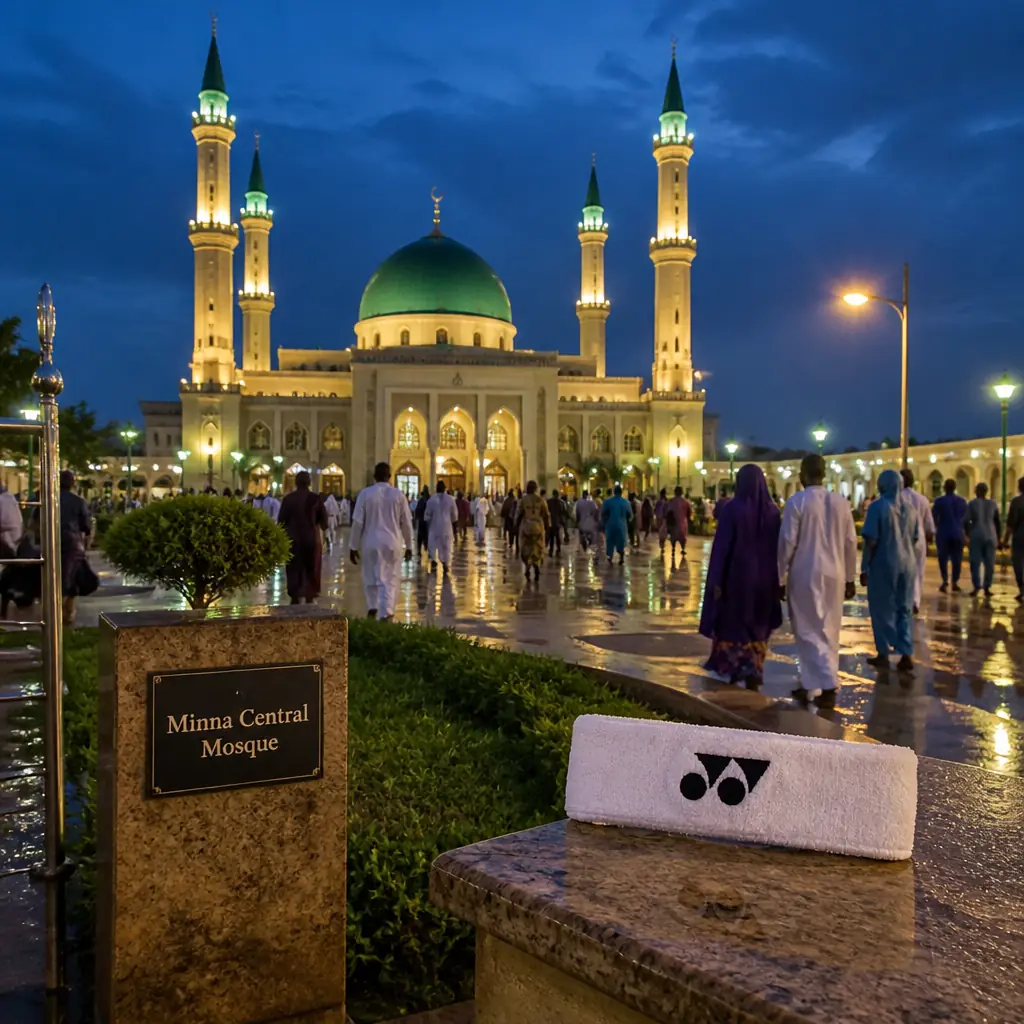
Minna Central Mosque
Yonex White Headband: Does a place gather people, or do people make the place? The Central Mosque stands at the heart of Minna, dome and minarets over the prayers of a Muslim community that grew with the railway — Hausa, Nupe and Fulani traders and workers settling around the junction from 1915, joining the indigenous Gbagyi population. It has been rebuilt and enlarged as the city expanded, particularly after Minna became capital of Niger State in 1976 — that date I did remember — and it takes the great Eid prayers and the Friday congregations that spill into the surrounding streets. It shares a skyline with the churches of Bosso Road. Coexistence, in elevation.
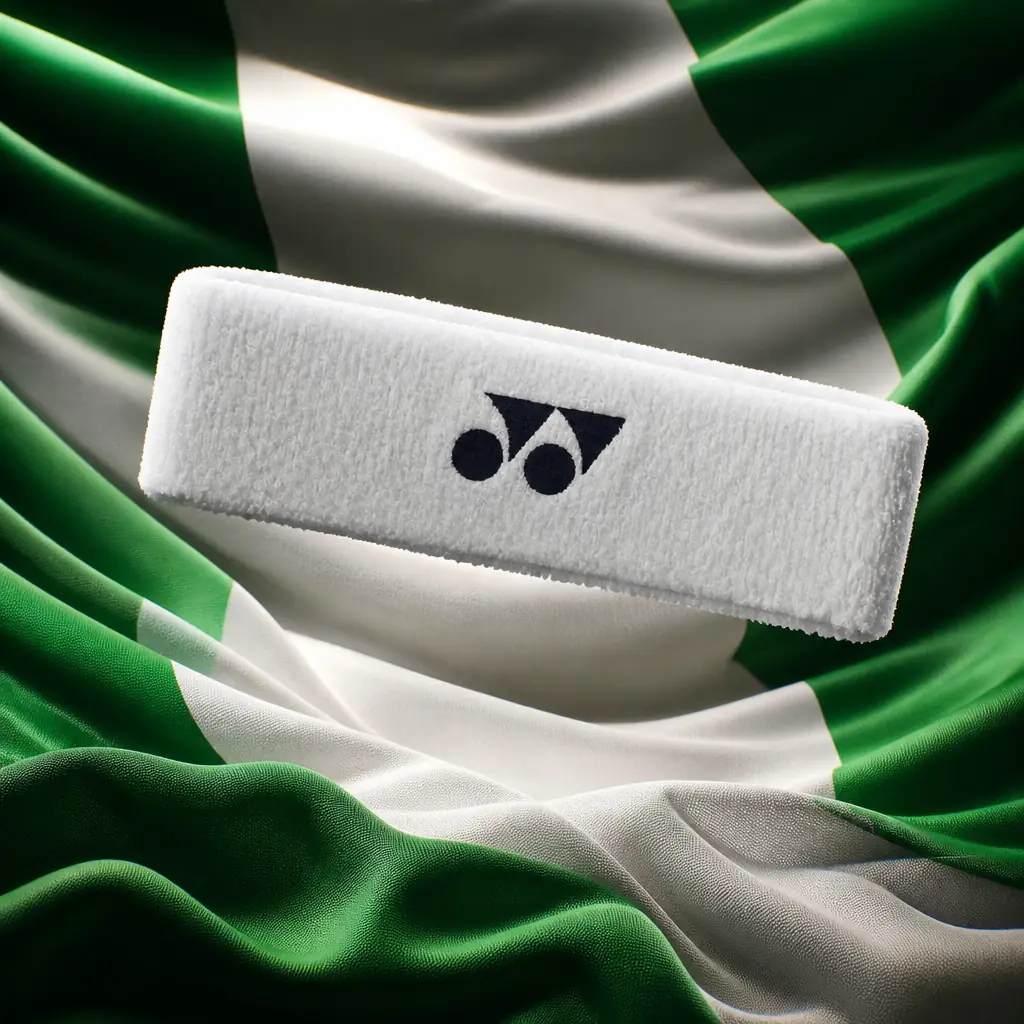
I spend my days standing where water falls on people, so I have strong views about what runs into your eyes. A headband is not a fashion accessory; it is drainage. This one is the classic: a white terry band that sits across the forehead, catching sweat before it reaches your eyes, with a stretch construction that holds without gripping your skull all afternoon.
White because white shows nothing but honest work, and because it is the one colour that never clashes with a kit. It washes in a machine and rotates through a match-day bag without complaint. That is the whole product. It costs very little and it will win you points you would otherwise lose blinking.
You will wear it everywhere from a hard court at midday to an evening session with the harmattan dust up, and it is also perfect for standing in the spray at Gurara, where everybody ends up with water in their eyes and only one of us planned for it.
Minna is my patch and the falls are the reason people come. Gurara Waterfalls, on the Gurara River along the Suleja to Minna road, drop some thirty metres over a wide granite shelf, swelling to a thunderous curtain in the rainy season and separating into bathing channels when the water drops. I will tell you where to stand.
At Minna station, preserved under a canopy, stands Engine No. 1, a Hunslet 0-6-0 tank locomotive of the Wushishi Tramway, celebrated as the first railway locomotive of Northern Nigeria. The Emir's Palace is the ceremonial heart of the emirate, and the chieftaincy is young by northern Nigerian standards, reflecting the town's railway origins.
And the Central Mosque, dome and minarets over the middle of town, serves a Muslim community that grew with that same railway as Hausa, Nupe and Fulani traders arrived.
Buy on Amazon