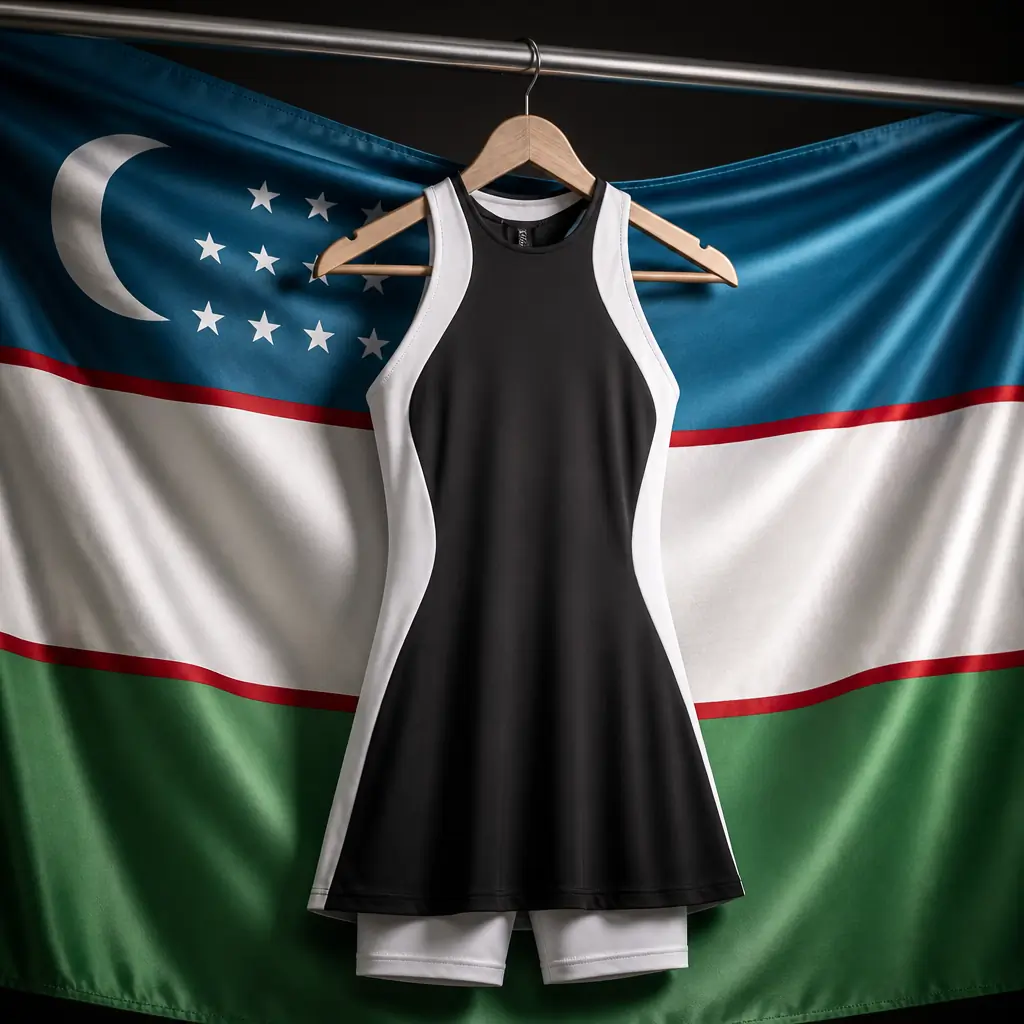
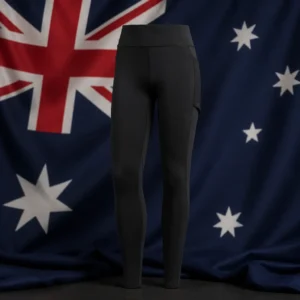
Two pieces. That is the first thing, and it is the thing everybody misses until the parcel is open: the Premium is a dress and a separate pair of short tights, made to be worn together. Not a liner tacked into the hem. Two garments. It changes how the skirt moves and it changes how the whole thing dries, and I would rather you heard that from me now than worked it out on a hot court later.
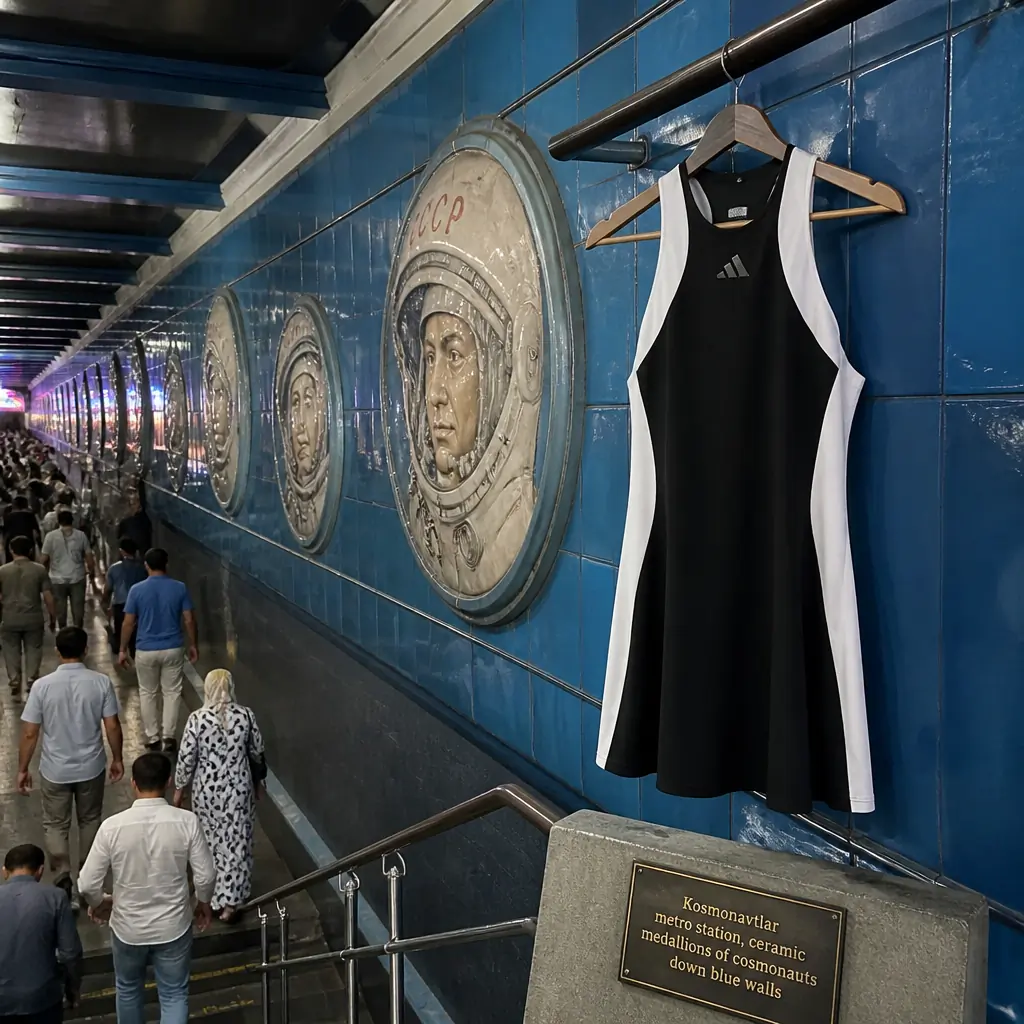
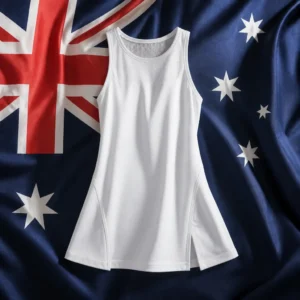
The dress is sleeveless, high at the round neck, cut close through the body and then released into a clean A-line skirt. In the black-and-white run, white panels run from the shoulder down each side to the hem, so the ventilation is also the styling.
Across the front sits a band of laser-cut perforation — small holes punched in a grid, placed exactly where a torso holds its heat. adidas puts AEROREADY on it, which is their moisture management, and describes mesh zones at the sides and the back, with the inner tights sold as separate short leggings rather than as a lining.
Sizes run XX-Small through XX-Large in black and white, with a multicolour-on-black run beside it. What I will not do — and it costs me, because I am not a man who enjoys not knowing — is recite you a fibre split. The only source I would trust for that is the label sewn into the side seam, and I have not had one in my hands. That, I have not.
Everything above I have seen.
The heat here is dry, which people say as though it were a discount. It is not. Dry heat pulls the sweat off you so fast you never see it, and then you are three games in and wondering why your legs have gone.
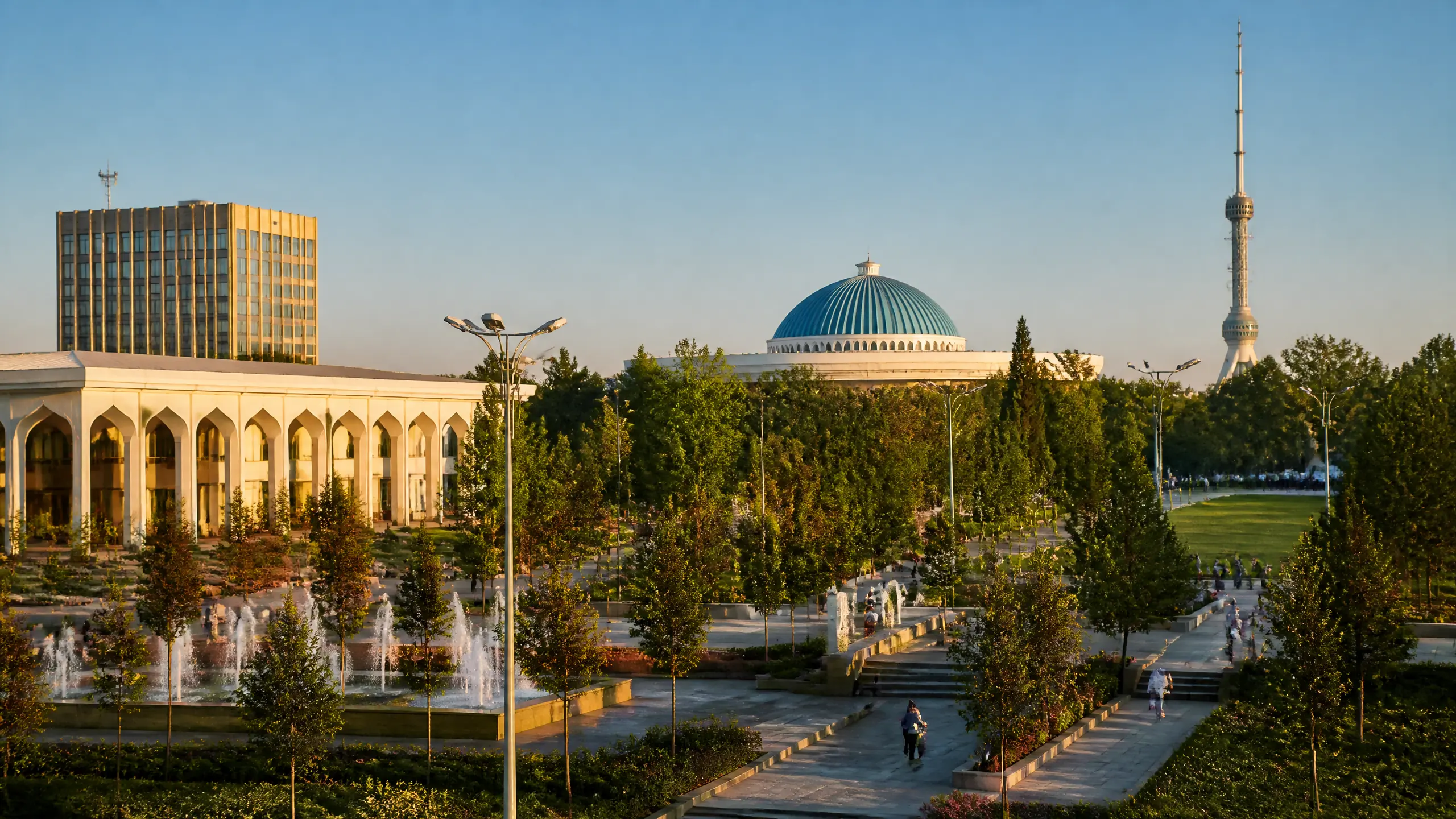
Tashkent is where this dress earns its holes.
A garment that moves air on purpose is not a luxury in that climate; it is the difference between finishing the session and finding a bench. Start at the Khast Imam complex, where they keep a Qur'an written on deerskin, a book old enough that the room is built around the argument about how old it is.
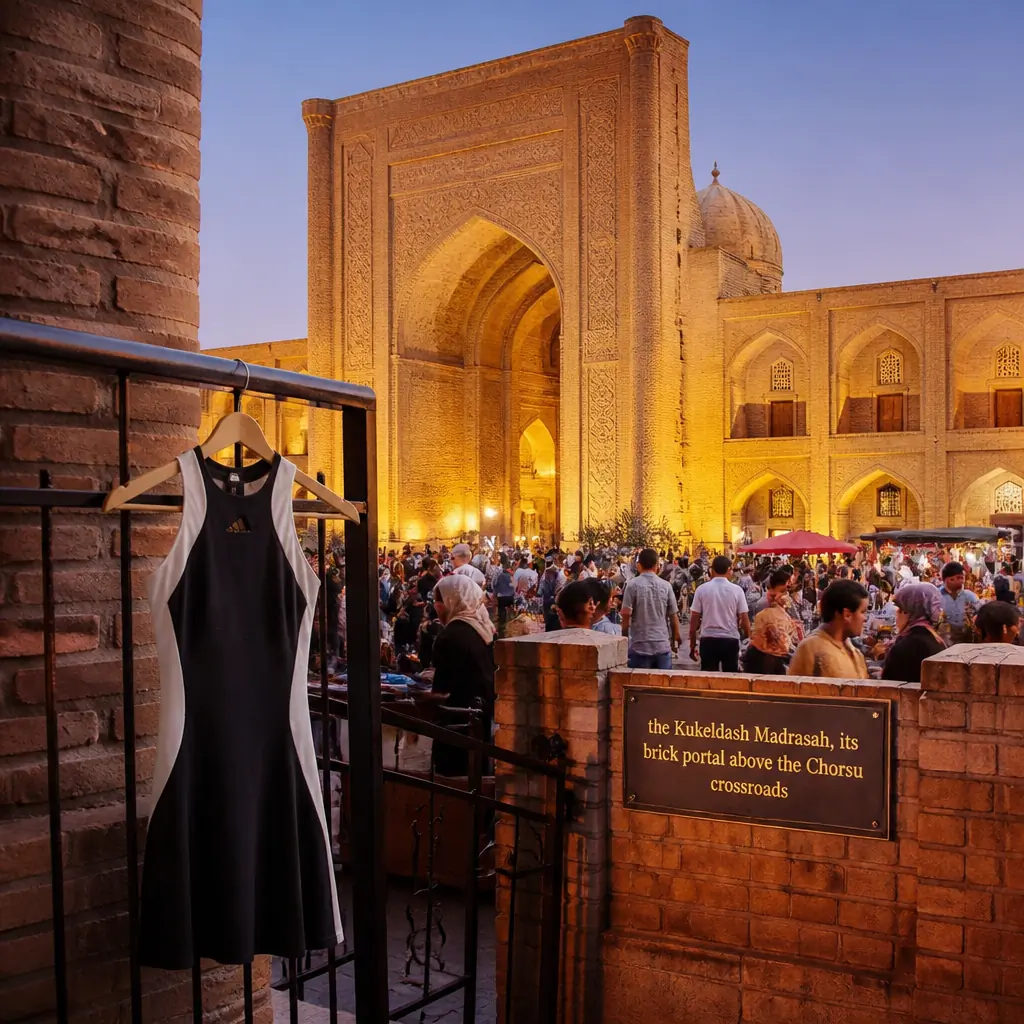
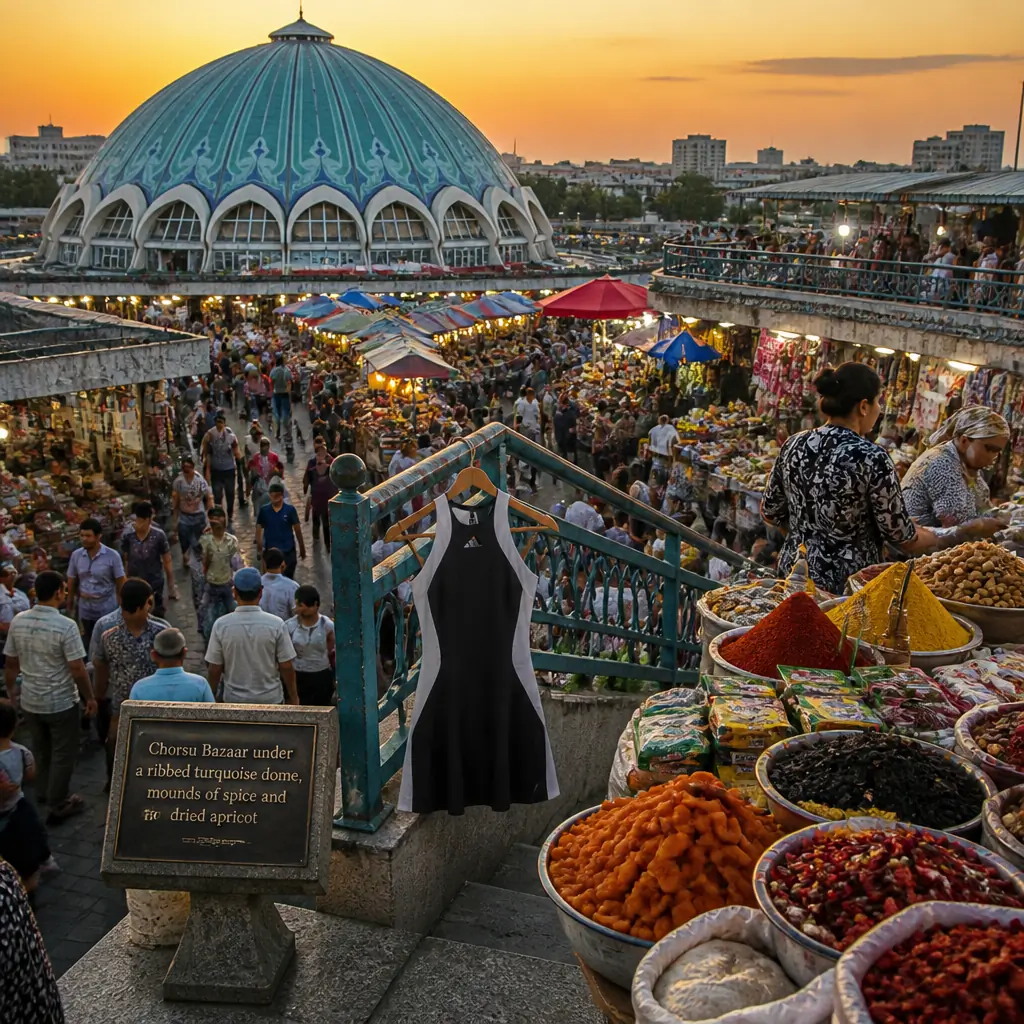
Then the Kukeldash Madrasah, brick portal standing over the Chorsu crossroads, and down into Chorsu Bazaar itself under that ribbed turquoise dome, where the spice is in mounds and the dried apricot is sold by the kilo and nobody will let you leave without tasting something.
Finish underground at Kosmonavtlar, ceramic medallions of cosmonauts running down blue walls — and here is the part I have been waiting to tell you: photographing these stations was forbidden for decades, because they were built to double as shelters. The ban only lifted in 2018. People walked past those medallions their whole lives without a single picture of them.
“Dry heat is still heat. It simply lies about it.”
Buy on Amazon