01
Stop one
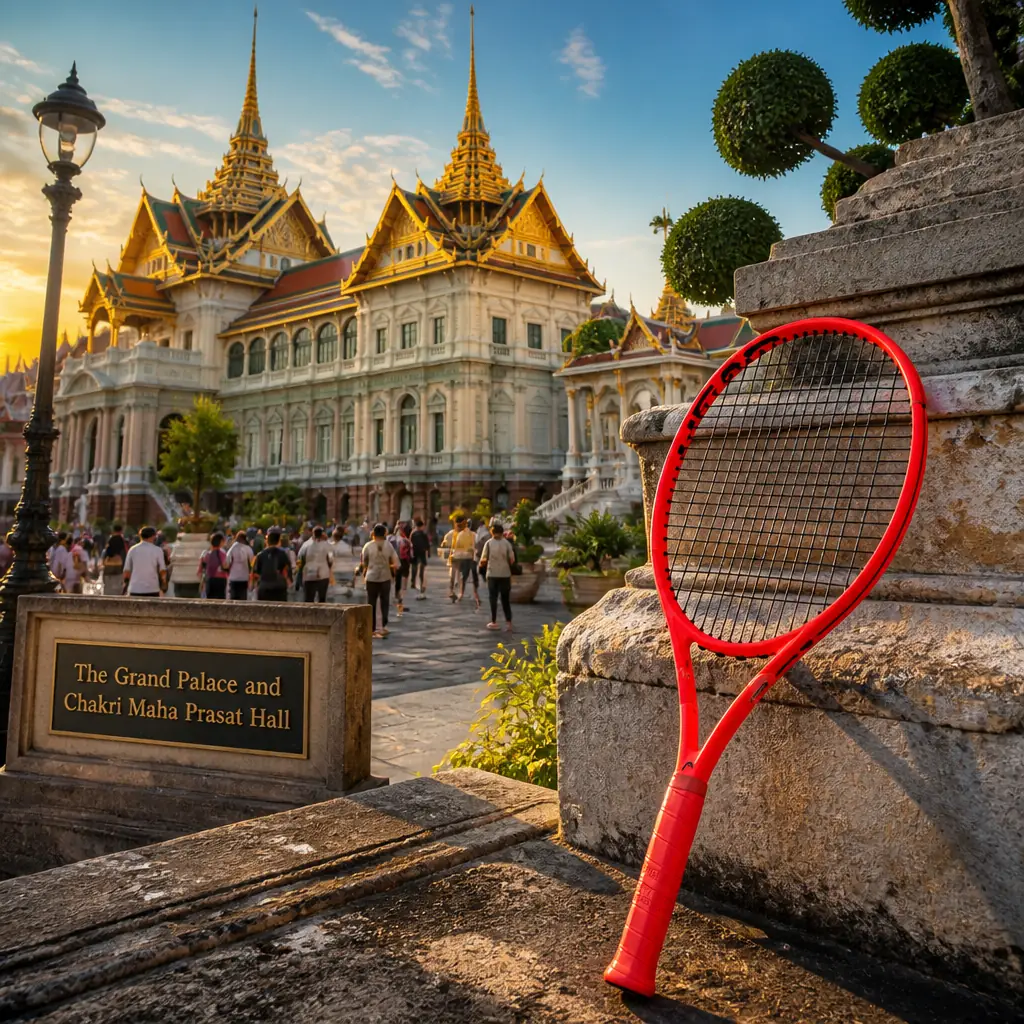
The Grand Palace and Chakri Maha Prasat Hall
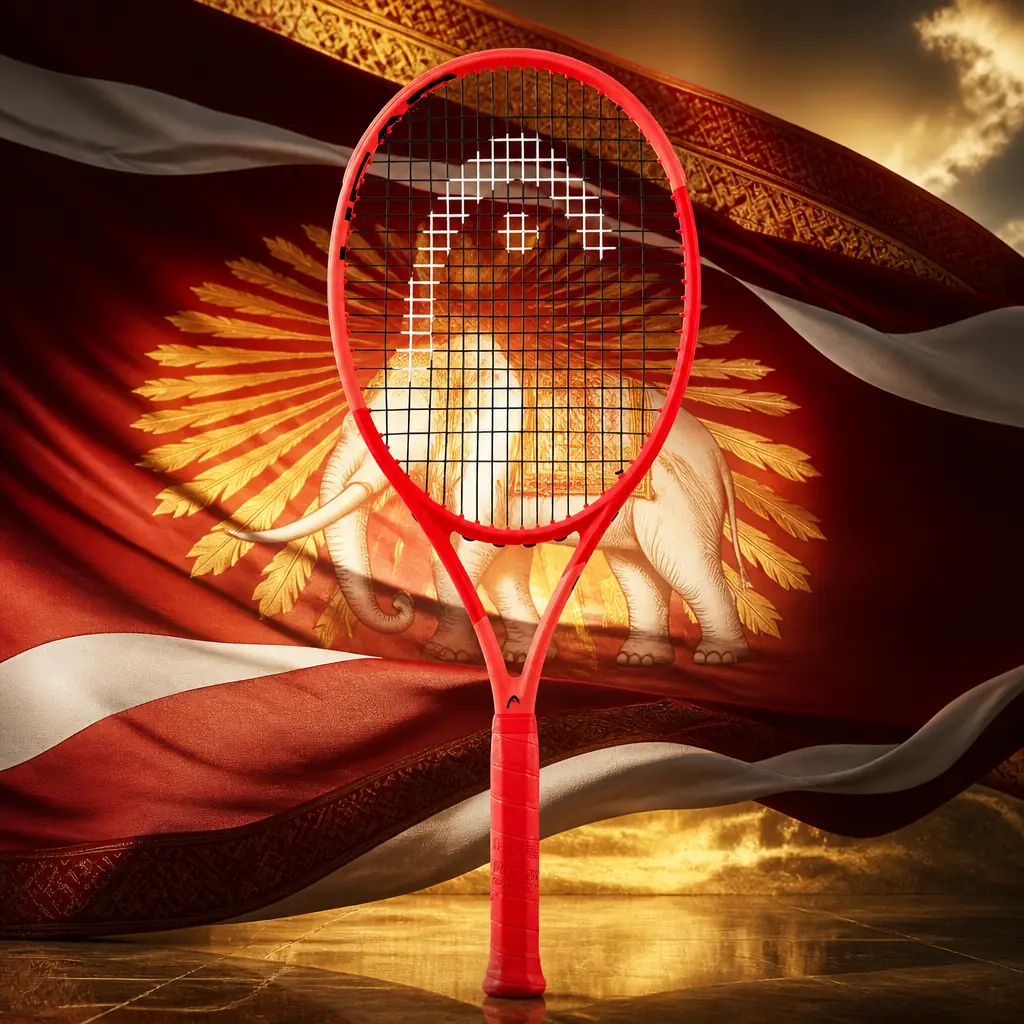
Head Auxetic 2.0 Radical Elite Tennis Racquet: Great crowd, great palace, founded in 1782 when the capital packed up and moved across the river – the largest and most successful house move in history, no van, no pizza for the helpers. Now, that hall. King Chulalongkorn commissions it in the 1870s from a British architect, full European Renaissance, absolutely gorgeous, and then, reportedly under pressure from officials who were not having it, they put three Thai spired roofs on the top. It is a building that lost an argument in the third act. Critics at the time described it as a Westerner wearing a Thai crown, which is a heckle so good it has survived a hundred and fifty years, and I would like you all to know I have never written anything that lasted a week.
02
Stop two
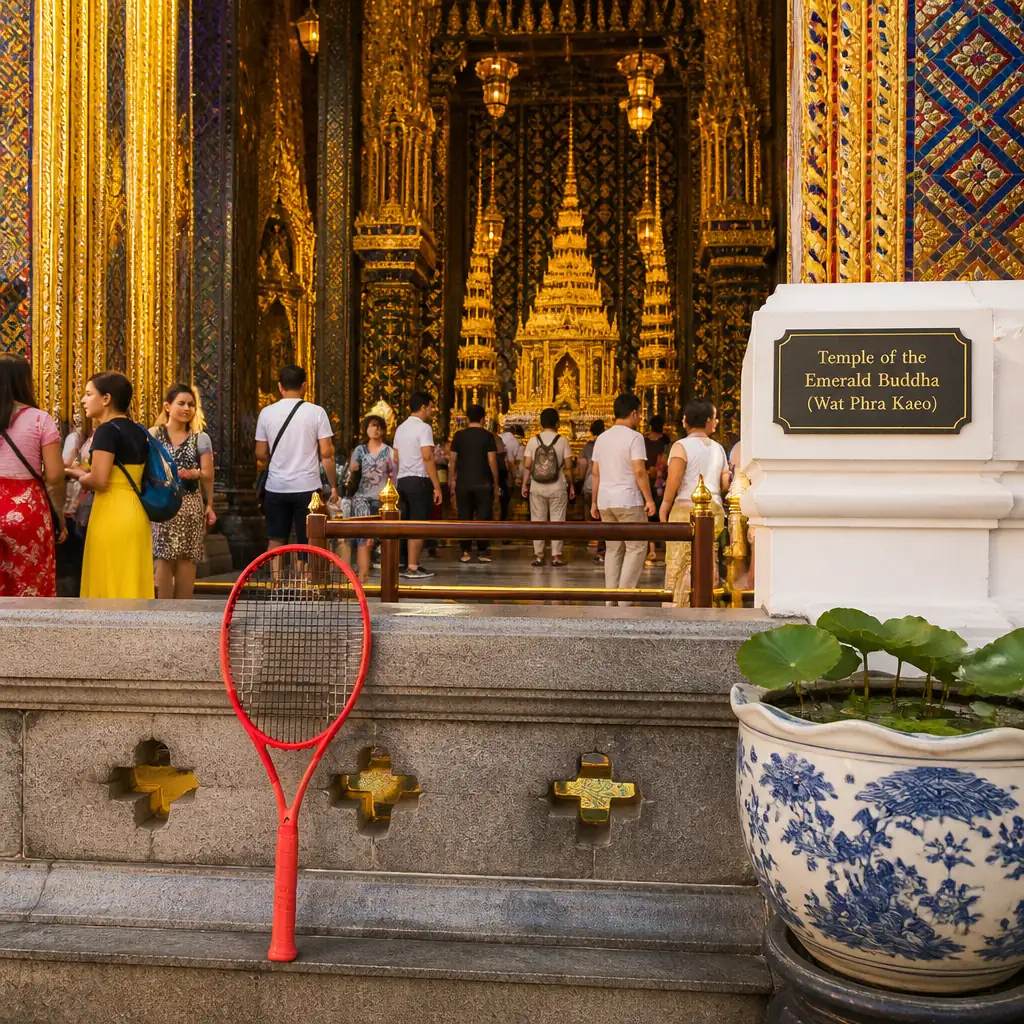
Temple of the Emerald Buddha (Wat Phra Kaeo)
Head Auxetic 2.0 Radical Elite Tennis Racquet: Okay, follow where everyone is pointing, up on the gilded throne, and – yes. That's him. He is about sixty-six centimetres. The single most important object in the country and he is the size of a carry-on. Origin story: in 1434 lightning cracked a stupa in Chiang Rai and revealed a plain stucco Buddha, and later the plaster flaked off and there was green stone underneath. A nation's holiest object, discovered because a building got struck and then quietly peeled. Also it is jasper or jade rather than emerald, so the name is wrong, and nobody has fixed it because it has been somebody's turn for six hundred years and every one of them bottled it. And the king personally changes his seasonal costumes three times a year. More outfit changes than me. Better reviews, too.
03
Stop three
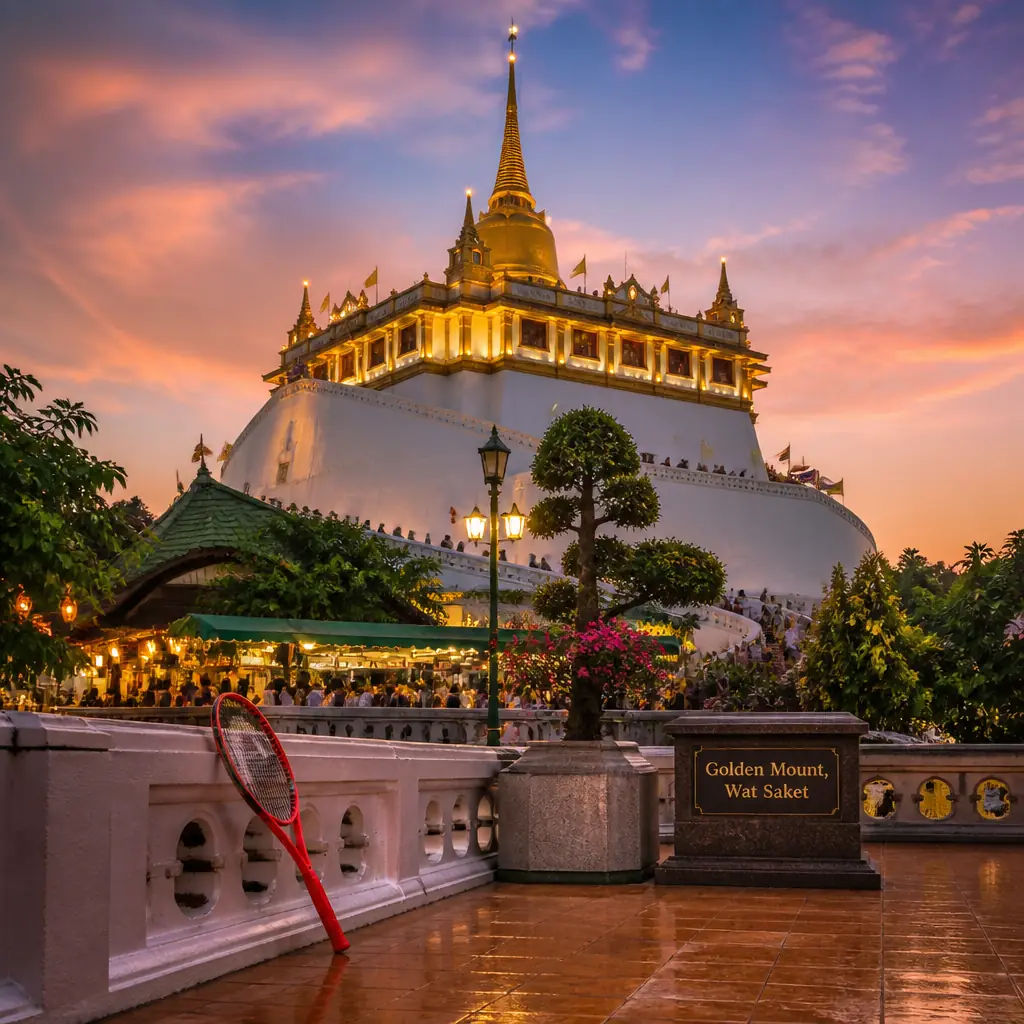
Golden Mount, Wat Saket
Head Auxetic 2.0 Radical Elite Tennis Racquet: Three hundred-odd steps, a bell at practically every one, and yes you have to ring all of them, that is not my rule, that is the deal you made at the bottom. Here is what you are actually climbing. Rama III wanted a colossal chedi on this spot and Bangkok's soft mud said absolutely not – the thing collapsed under its own weight into a mound. A building so heavy it became terrain. Then Rama V looked at the wreckage and said, fine, it's a hill now, and put a smaller gilded chedi on top of the ruin. So the landmark is a failure with a better idea standing on its shoulders, which is also a fair description of my career, and I would like that on the plaque. Ring the bells. Drown me out. Honestly, help yourselves.
04
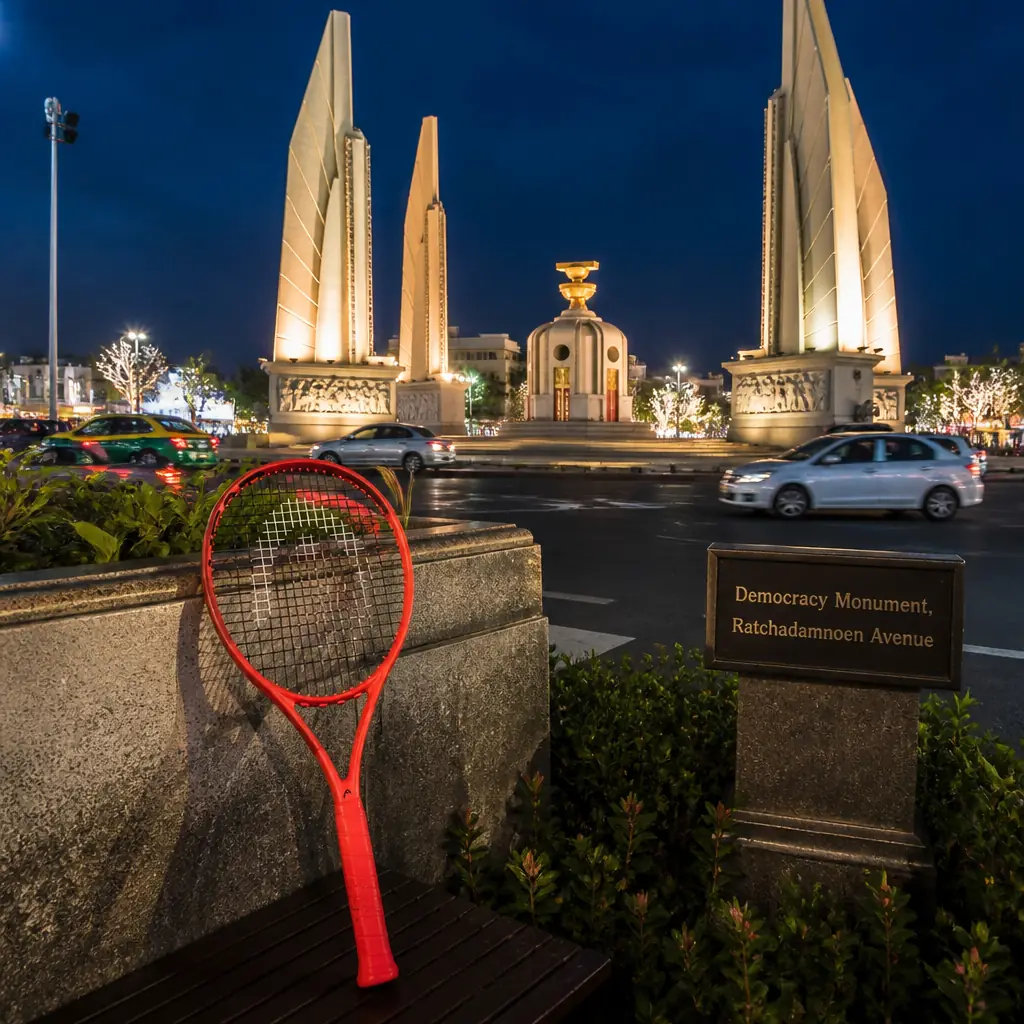
Stop four
Democracy Monument, Ratchadamnoen Avenue
Head Auxetic 2.0 Radical Elite Tennis Racquet: Right, this one is dense, stay with me, I will go slowly and nobody has to laugh. Built in 1939 to mark the 1932 revolution that ended absolute monarchy. Four winged pylons. Seventy-five radial guns set into the base, for the year 2475 in the Thai calendar. A central tray three metres tall, for the third month, June. It is a monument that is secretly a date, which means somebody has built the world's largest wearable calendar and then made it out of concrete so that nobody can wear it. The reliefs are the work of an Italian sculptor, Corrado Feroci, who later took Thai citizenship as Silpa Bhirasi. Every single measurement here means something, and unlike me, this thing has never once had a night where nothing landed.
Balance is a set of very fast decisions made over and over, and the equipment either helps or it does not.
The Head Auxetic 2.0 Radical Elite helps. A forgiving 102 square inch head gives you a large, confidence-building target; around 10.0 ounces means you are never late getting it into position; and Auxetic 2.0 construction optimises string movement while sharpening the feedback that reaches you through sound and vibration at the moment of impact.
That last part matters more than people admit. You correct off information, and the sooner the information arrives, the smaller the correction has to be.
Bangkok makes the same argument in brick. Rama III wanted a colossal chedi at Wat Saket and the city's soft mud refused the load — it collapsed under its own weight into a mound. Rama V looked at the failure and built a smaller gilded chedi on top of it, and the Golden Mount is now climbed by three hundred-odd steps ringed with bells the whole way.
A landmark that is a failure with a better idea placed on top of it is the most honest structure I know.
The rest of the city is decisions made at speed and then lived with. The Grand Palace was founded in 1782 when the capital crossed the river, and in the 1870s King Chulalongkorn had a British architect raise the European stone hall of Chakri Maha Prasat before three Thai spired roofs were set on it, a compromise critics of the day described as a Westerner wearing a Thai crown.
Inside the walls the Temple of the Emerald Buddha holds a jade figure barely 66 centimetres tall whose costume the king changes three times a year.
A frame this easy to swing goes everywhere from a humid morning on a Bangkok rooftop court to a floodlit late set near Ratchadamnoen, and it is also perfect for the player who wants a light stick to carry up all those Golden Mount steps afterwards.
Buy on Amazon