01
Stop one
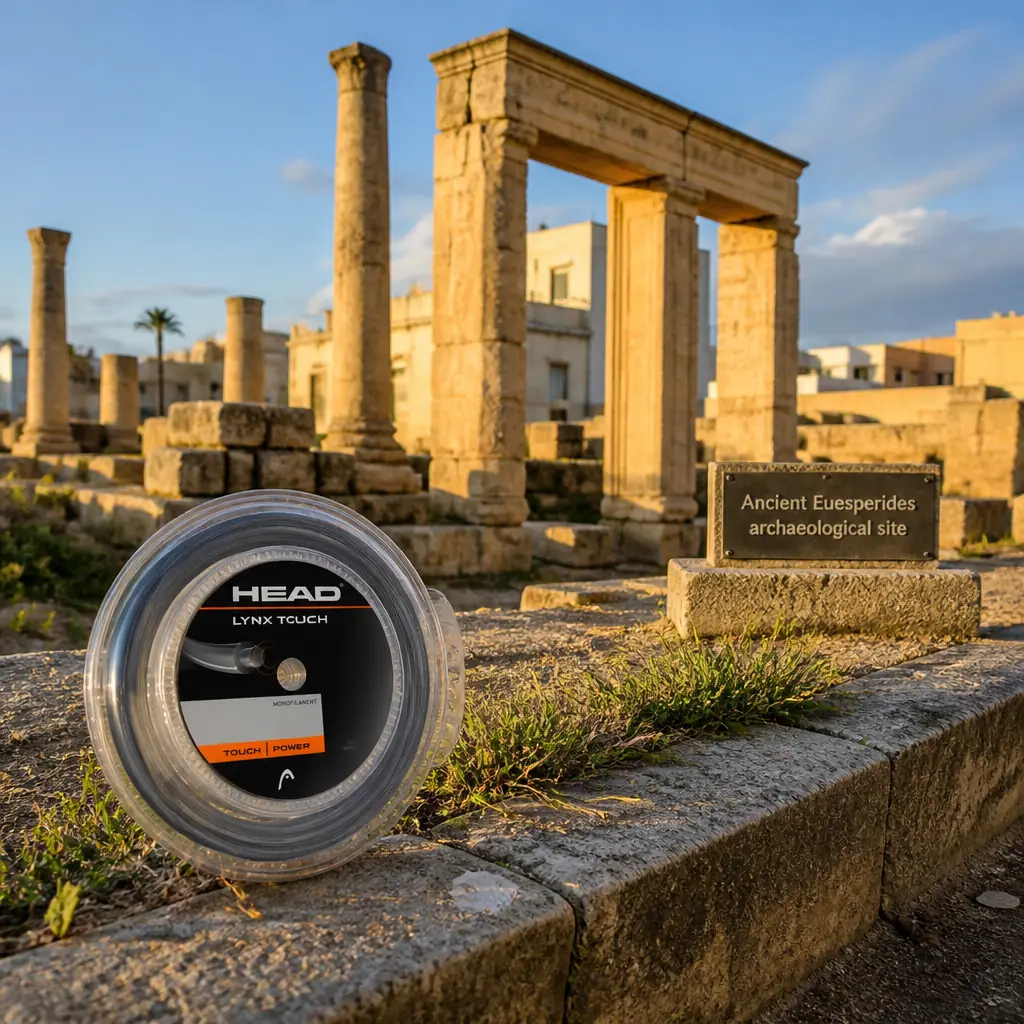
Ancient Euesperides archaeological site
Head Lynx Touch 17g Tennis String Reel: Good evening, and we begin with a city that gave up. Greek settlers founded Euesperides here and named it for the Hesperides, whose mythical garden of golden apples was supposed to be somewhere in this region — so the first thing anybody ever did on this coast was invent a tourism slogan, and they did it before they finished the harbour. Then, around the third century BC, the lagoon silted up, the harbour turned into a swamp, and the entire population walked down the coast and started again. No siege. No catastrophe. Just an inconvenience, sustained. And because nobody could be bothered to build over the abandoned street plan, archaeologists adore the place. Human beings will preserve anything, provided they can first be persuaded not to care about it.
03
Stop three
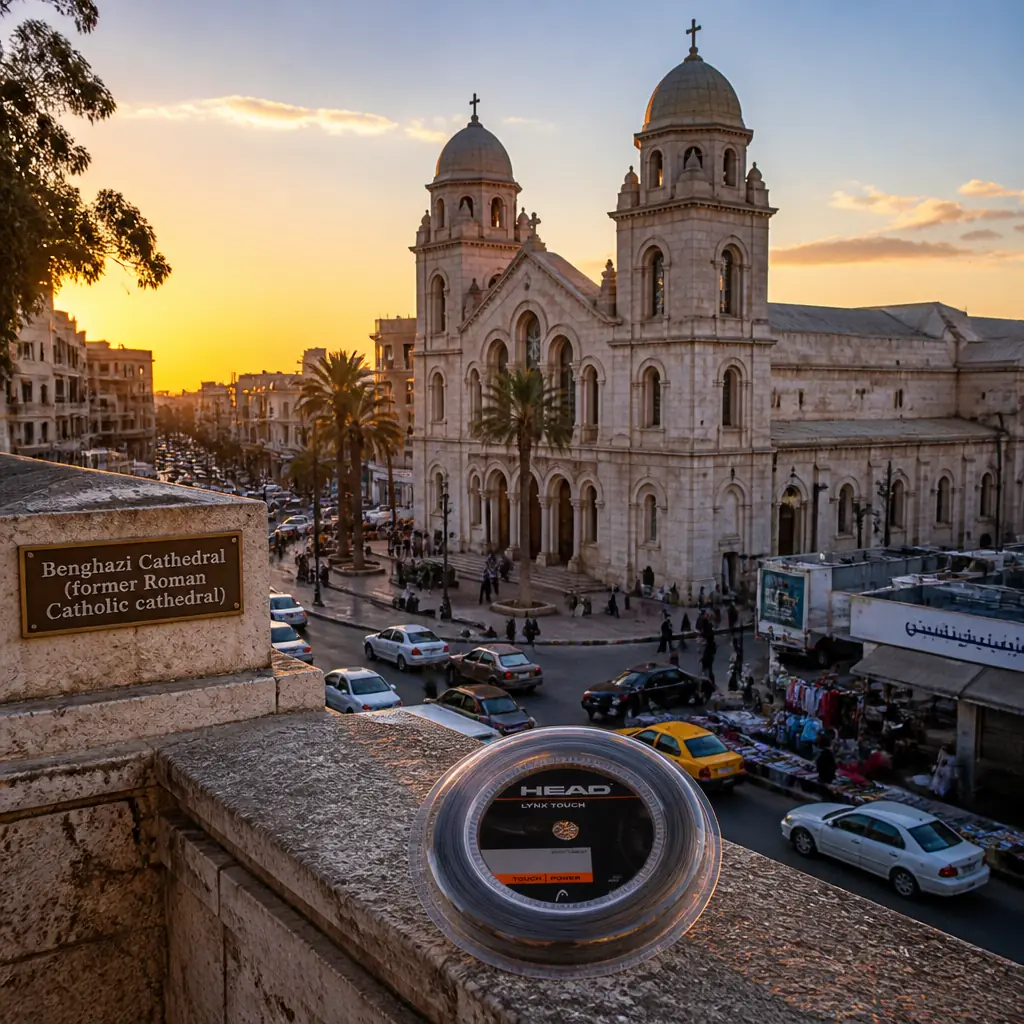
Benghazi Cathedral (former Roman Catholic cathedral)
Head Lynx Touch 17g Tennis String Reel: Two enormous domes, pale stone, one of the largest church buildings in North Africa, and it has not held a regular congregation in a very long time. Built during the Italian colonial period, across the late nineteen twenties and thirties, at a scale that tells you rather more about the builders' intentions than about their attendance figures. Then the Italians left. The building did not, because leaving is the one thing buildings are genuinely bad at. So the entire ambition of an empire now stands in the middle of the city, disused, structurally sound, far too large, like a guest who has not read the room but does have excellent posture. It will outlast every opinion anyone in this group holds about it. That is not praise for the masonry. It is a comment on opinions.
My job is to make the journey unremarkable. If you notice me, something has gone wrong. Head Lynx Touch 17g takes the same view: a co-polyester monofilament at 1.25 mm, the balanced gauge, tuned in the Touch character for a softer and more comfortable response than standard Lynx.
It comes on a 200-metre reel — 660 feet, roughly sixteen racquets — which keeps every frame in the boot freshly strung and nobody ever asking about it.
Benghazi, then, and I know the route. We begin at the ancient Euesperides site in the Sidi Abeid area, where Greek settlers founded a city named for the Hesperides, whose garden of golden apples was supposed to be somewhere in this region — essentially the world's first tourism slogan.
Around the third century BC the lagoon silted up, the harbour turned to swamp, and everybody simply moved down the coast and started again. The whole street grid was abandoned in place, which is why archaeologists love it. Nobody ever built over it.
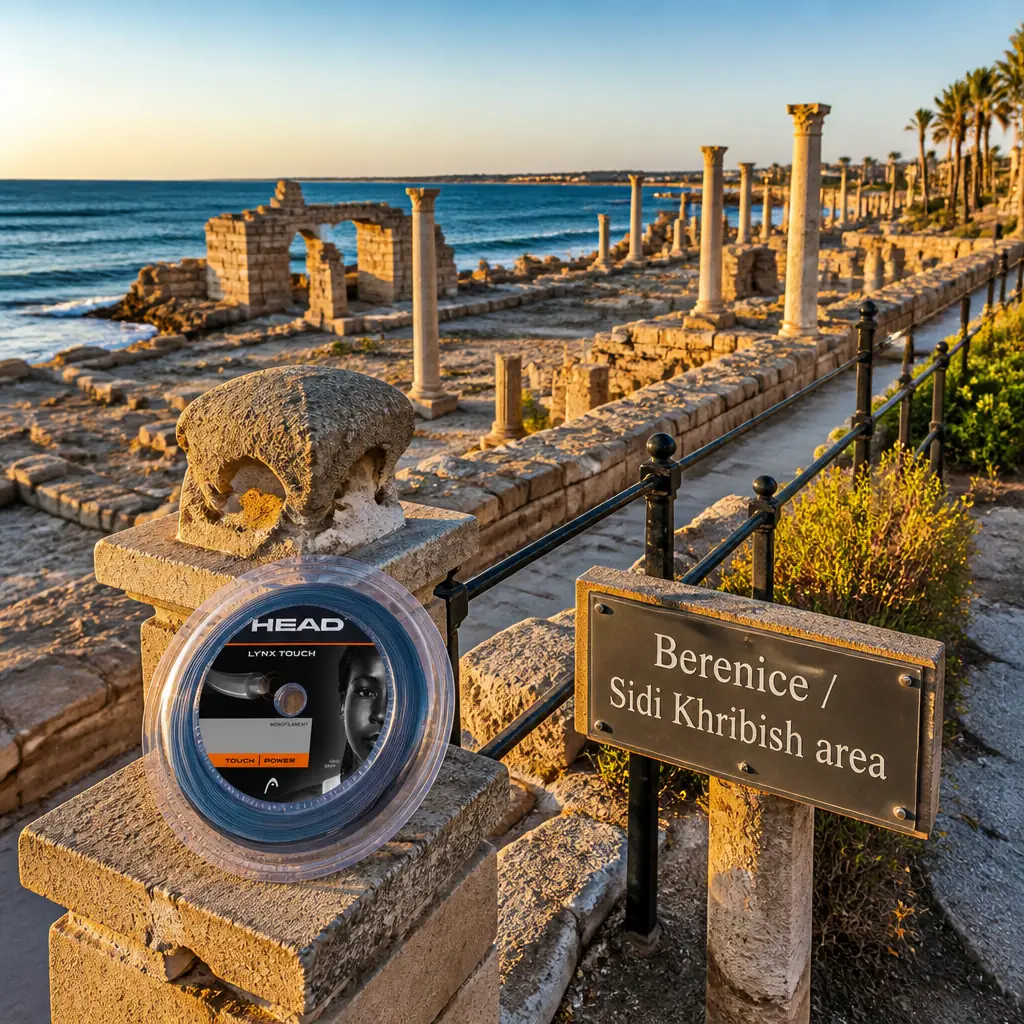
They moved to what is now the Berenice and Sidi Khribish area near the shore, and rebranded. The new city took the name of Berenice the Second, a queen from this region who married into the Egyptian royal house, dedicated a lock of her hair at a temple, and — when it went missing — had a court astronomer announce that the gods had placed it in the sky. There is still a constellation called Berenice's Hair.
In the centre stands the former Benghazi Cathedral, twin-domed and pale, built during the Italian colonial period between the late 1920s and the 1930s and once among the largest churches in North Africa, disused now and still enormous.
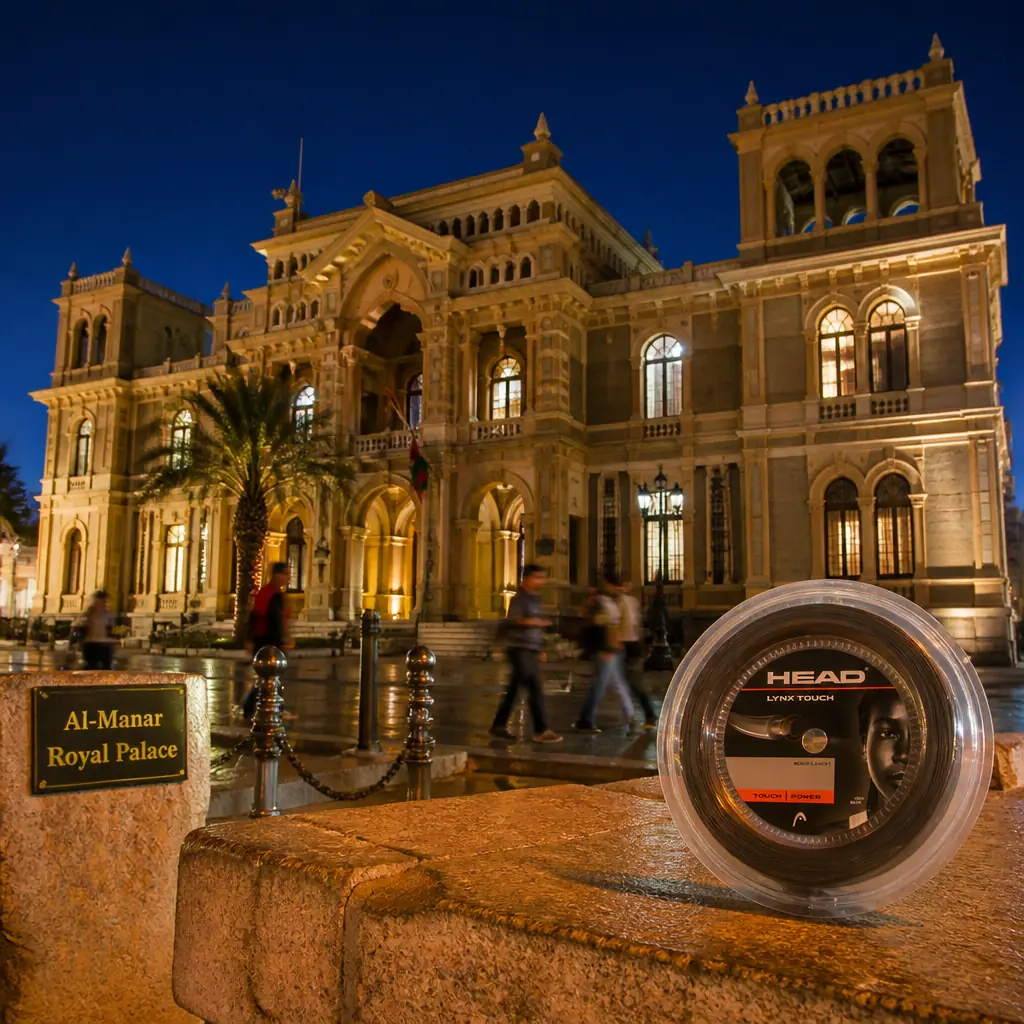
And near the seafront the Al-Manar Royal Palace is where Libya's independence was proclaimed in 1951 with King Idris, after which it housed the country's first university faculty.
I will drive you everywhere from a court near the corniche to a hard court out past the university, and it is also perfect for a Benghazi evening run along the seafront, when the light comes off the water and nobody notices the car at all.
Buy on Amazon